Would you bet your family's safety on a guess? Many New Jersey homeowners assume their fireplace is safe until the living room fills with smoke or a bitter, burnt smell lingers. This delay is dangerous. A single chimney fire can cause between $4,000 and $20,000 in property damage. You need to know exactly how often should chimney be cleaned to protect your home and avoid these preventable costs.
It's frustrating to deal with smoky smells or the fear of a hidden fire hazard. We understand the confusion between a routine sweep and a professional inspection. This guide delivers the definitive safety standards for 2026, including the latest requirements from the NFPA 211 2027 edition. We promise to provide the clear, expert-backed answers you need to keep your fireplace operating safely.
You'll learn about the critical 1/8-inch rule for creosote accumulation. We also preview the three levels of inspection and the specific warning signs that mean you're overdue for service. This is your roadmap to a reliable maintenance schedule and lasting peace of mind.
Key Takeaways
- Learn why the National Fire Protection Association mandates an annual inspection for every fireplace. Even if you rarely light a fire, safety remains the priority.
- Understand the 1/8-inch soot rule. This technical threshold determines how often should chimney be cleaned to prevent high-temperature creosote fires.
- Debunk the myth that gas fireplaces are maintenance-free. Professional oversight of venting systems and pilot assemblies is essential for home safety.
- Identify five critical warning signs of buildup. Recognize olfactory alerts like "asphalt" odors before they lead to a household emergency.
- Ensure you hire a qualified professional. Look for CSIA certification and transparent pricing to guarantee ethical, reliable service.
Table of Contents
The Industry Standard: How Often Is Cleaning Required?
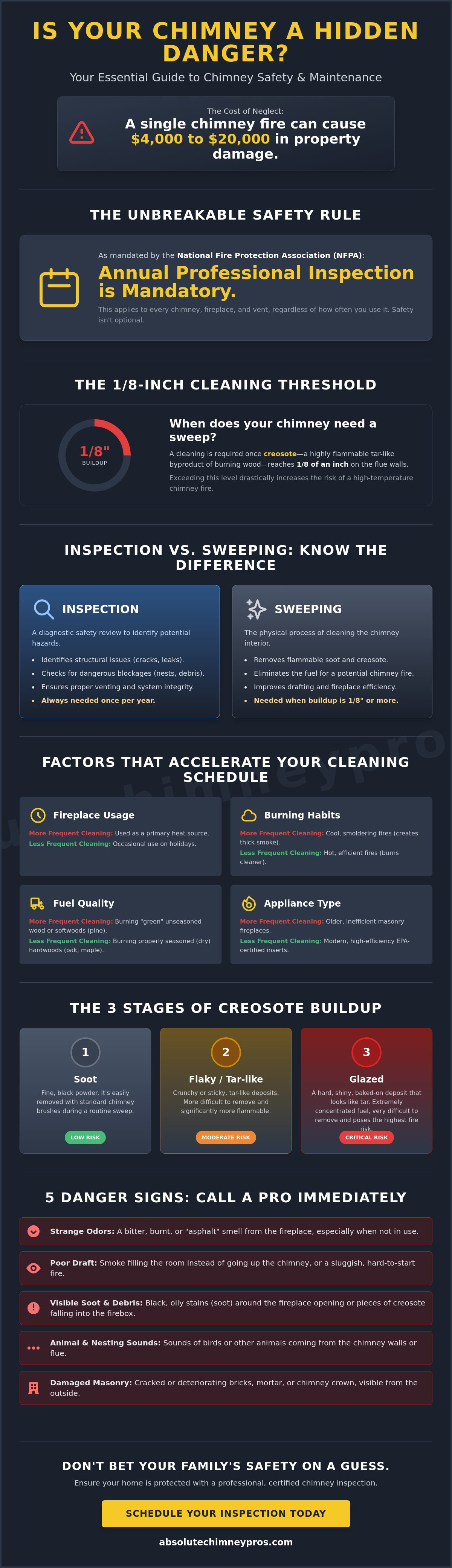
Safety isn't a suggestion. It's a requirement. The National Fire Protection Association (NFPA) provides the definitive answer through Standard 211. This mandate states that every chimney, fireplace, and vent must undergo a professional inspection at least once per year. This rule applies regardless of how many logs you burn. Even an unused chimney can harbor dangerous blockages like bird nests or structural masonry decay. Many homeowners ask how often should chimney be cleaned to maintain a safe environment, but the real priority is the annual diagnostic check. Buildup kills. Precision saves.
The technical threshold for a physical sweep is the 1/8-inch rule. Once creosote buildup reaches 1/8 of an inch on the flue walls, the risk of a chimney fire escalates. Creosote is highly flammable. It's a byproduct of incomplete combustion that sticks to your chimney liner like tar. If left alone, it can ignite at high temperatures and spread to your home's structure. Monitoring this buildup requires professional tools and trained eyes. The History of chimney sweeping shows that while tools have evolved, the core mission of removing these hazardous deposits remains unchanged for safety.
NFPA 211 vs. CSIA Recommendations
The NFPA 211 2027 edition is the latest benchmark for solid fuel-burning appliances. These standards exist for one reason: to prevent house fires. The Chimney Safety Institute of America (CSIA) echoes these requirements with a focus on technical certification. Following these guidelines isn't just about safety; it's about liability. Insurance companies frequently deny claims if a homeowner cannot prove they maintained their system according to these professional standards. Documentation is your defense. Don't leave your coverage to chance.
The Difference Between Inspection and Sweeping
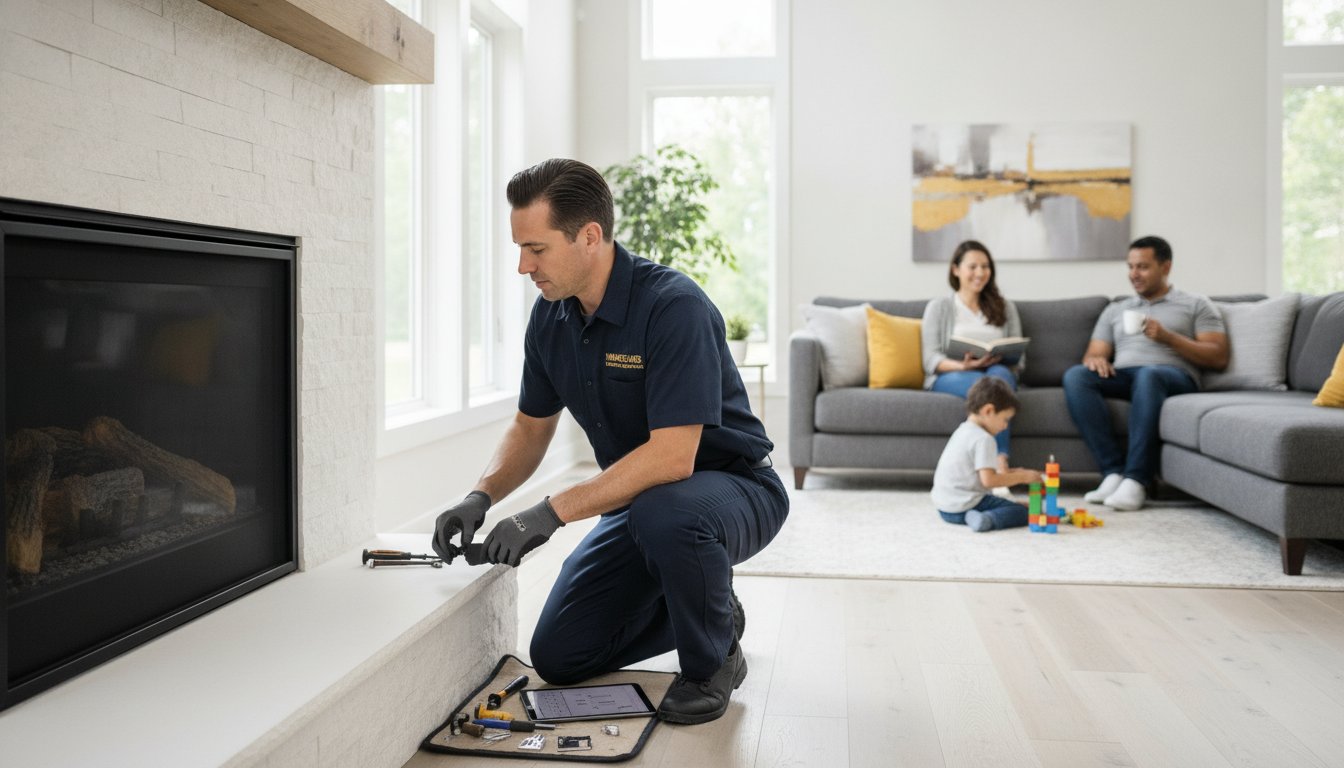
Clarity saves lives. An inspection is a diagnostic review. We look for cracks, leaks, and venting failures. A sweep is the physical removal of soot and creosote. You don't always need a sweep, but you always need an annual inspection. Think of the distinction this way:
-
Inspection: Identifies structural integrity and hidden hazards.
-
Sweeping: Eliminates the fuel for a potential fire.
Skipping the inspection because you didn't use the fireplace much is a dangerous gamble. Moisture, animals, and natural settling can damage your flue during the off-season. A professional assessment ensures your home remains a safe haven. We provide the expertise. You get the peace of mind.
Factors That Accelerate Your Cleaning Schedule
Baseline recommendations are just a starting point. Your personal burning habits dictate the real risk level. If you use your fireplace as a primary heat source, an annual check might be too late. High-volume users often require mid-season sweeps to stay safe. Contrast this with "weekend warriors" who only light a fire on holidays. Even for low-frequency users, an annual chimney inspection remains the non-negotiable floor for safety. Neglect creates opportunity for disaster.
Burning habits change the math. Smoldering fires are a major hazard. When you choke the oxygen to keep a fire going overnight, you create cool, thick smoke. This smoke condenses rapidly on the flue walls. It creates a fast-growing layer of combustible material. Modern EPA-certified inserts burn hotter and cleaner than older models. In contrast, traditional masonry fireplaces are often inefficient. This inefficiency directly impacts how often should chimney be cleaned. Efficiency isn't just about heat; it's about preventing the fuel for a chimney fire from ever forming.
The Role of Fuel: Hardwood vs. Softwood
Wood choice is a technical decision. Softwoods like pine have high resin content. They burn fast but leave heavy, sticky deposits. Hardwoods like oak or maple are superior, but only if they are seasoned. Seasoned wood has less than 20% moisture content. Burning "green" wood is a safety failure. It uses energy to evaporate water instead of creating heat, leaving behind thick tar. Never burn trash, treated lumber, or Christmas trees. These release toxic chemicals and can cause explosive chimney temperatures. If you're unsure about your fuel quality, a professional chimney sweep can assess your system for signs of improper burning.
Creosote Stages: From Dust to Glaze
Creosote is a progressive threat. Understanding its stages helps you identify when a situation moves from routine to critical:
-
Stage 1: This is basic soot. It's a fine, black powder. A standard chimney brush removes it easily during a routine visit.
-
Stage 2: This appears as crunchy, black flakes. It's harder to remove and indicates poor airflow or the use of unseasoned wood.
-
Stage 3: This is the emergency level. It's a thick, shiny, hardened glaze. This is highly concentrated fuel. Standard brushes won't touch it. It requires specialized chemical treatments or mechanical scraping.
If you see a "glaze" inside your flue, stop using the fireplace immediately. The risk of ignition is too high to ignore. Precision in cleaning is the only solution.
Wood vs. Gas Fireplaces: Cleaning Frequency Myths
Convenience often breeds complacency. Many homeowners believe switching to gas eliminates the need for professional service. This is a dangerous misconception. While gas burns cleaner than wood, it isn't maintenance-free. The question of how often should chimney be cleaned applies to every fuel type, including gas, oil, and coal. Neglecting these systems invites silent hazards into your home. Compliance is safety. Neglect is a gamble.
Different fuels create different problems. Wood produces flammable creosote. Gas produces corrosive moisture. Oil produces acidic soot. Each of these byproducts eventually compromises the integrity of your flue. You can't assume a lack of smoke means a lack of danger. Professional oversight ensures that invisible threats are identified before they become emergencies.
Gas Fireplace Maintenance Needs
Gas appliances produce a specific byproduct known as "white soot." This is a powdery residue caused by the combination of sulfur and moisture. It doesn't ignite like creosote, but it is highly destructive. It clogs burners and corrodes liners. Vents that sit dormant during New Jersey summers are also prime real estate for bird nests and debris. A blocked vent doesn't just stop the fire; it forces carbon monoxide back into your living space. Safety requires an annual check of the pilot assembly and venting path to ensure clear passage for toxic gases.
Oil and Coal Flue Considerations
Heating flues for oil and coal furnaces are the most overlooked components in a modern home. Oil soot is intensely corrosive. It contains sulfur compounds that turn into sulfuric acid when mixed with moisture. This acid eats through stainless steel liners and masonry joints from the inside out. The NFPA 211 standard is definitive: these flues require a Level 1 inspection every year. If you notice crumbling mortar or white staining on the exterior of your chimney, you likely have active acid damage. Determining how often should chimney be cleaned for these systems depends on the efficiency of your furnace and the age of your liner. We don't guess. We verify. Accurate diagnostics prevent structural failure.
-
Wood: High creosote risk; requires cleaning at 1/8-inch buildup.
-
Gas: High blockage and corrosion risk; requires annual venting checks.
-
Oil: High acid damage risk; requires annual soot removal to protect the liner.
5 Warning Signs You Need an Immediate Chimney Sweep
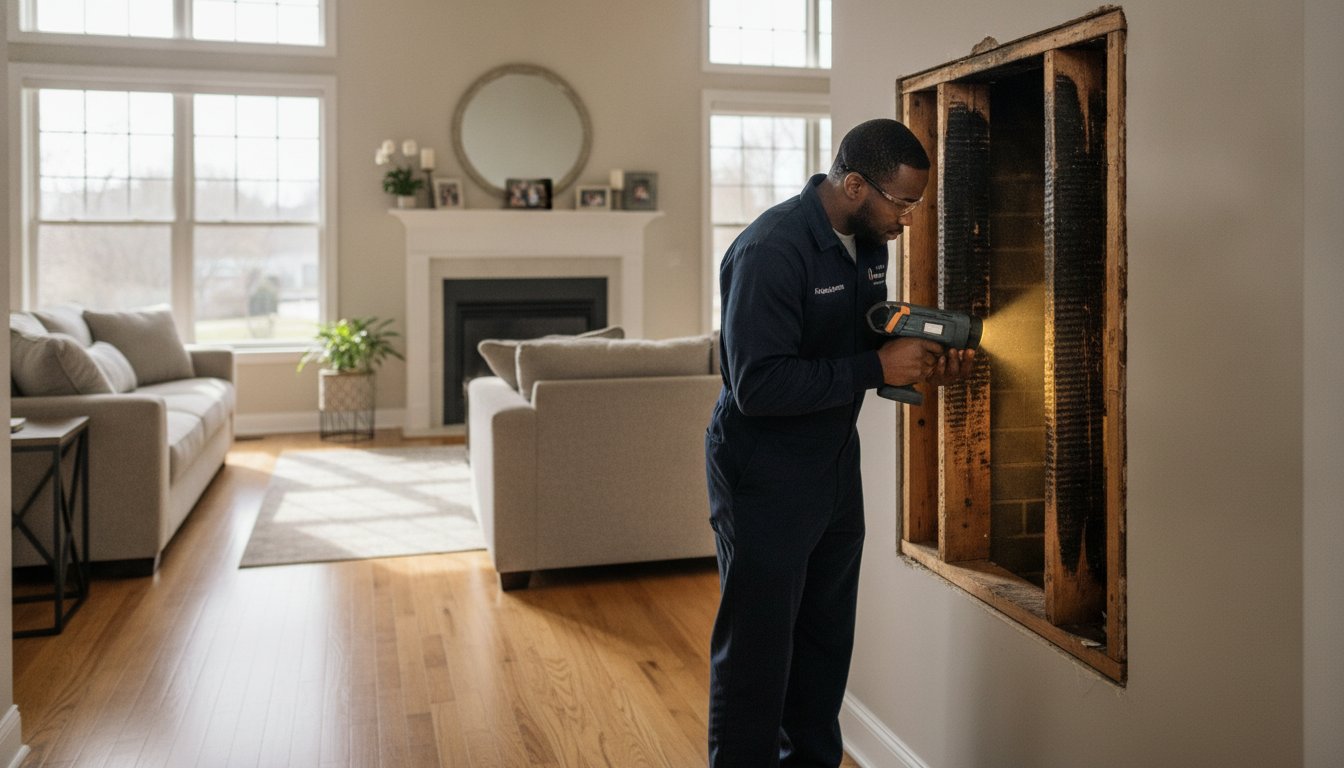
Waiting for a calendar date is a safety risk. If your system shows distress, the schedule changes immediately. Determining how often should chimney be cleaned requires constant vigilance, not just a once-a-year glance. Look for visual cues. If you see black, oily gunk on the firebox walls, you have a Stage 3 creosote problem. This material is highly flammable and acts as fuel for a disaster. Precision in identification saves homes.
Listen for the warning. A loud, roaring sound or a distinct honeycomb crackle indicates an active chimney fire. This is an emergency. Evacuate the home and call the fire department. Performance issues also signal danger. If smoke drifts into the living room instead of rising, your flue is obstructed. Check for soot "snowing" onto the hearth. This is a sign of excessive, unstable buildup that can ignite at any moment. Your safety is our priority. Never ignore these physical alerts.
Animals are a common New Jersey problem. Squirrels and birds love the warmth of a flue for nesting. If you hear scratching or find twigs in the firebox, your vent is compromised. Debris creates a flash-fire hazard and blocks toxic gases from escaping. Identifying how often should chimney be cleaned often comes down to these external factors rather than just wood consumption.
The NJ Humidity Factor
New Jersey humidity is a catalyst for decay. During humid summers, moisture reacts with creosote. This creates a foul, asphalt-like odor that permeates the home. It's not just a nuisance. It's a sign of chemical expansion. Moisture is the primary enemy of masonry in the Philadelphia area. Our winters cause a brutal freeze-thaw cycle that shatters chimney crowns and mortar joints. If your chimney smells like a campfire in July, your system is crying out for professional attention.
Performance Red Flags
A healthy chimney drafts effortlessly. If your fire won't stay lit or a haze fills the room, the draft is failing. You can perform a simple draft test with a single piece of tissue paper. Hold it near the open damper. If it doesn't pull upward, you have a major obstruction. Visible soot flakes falling into the firebox mean the layers are too thick to remain attached to the flue walls. Don't light another fire until you secure an immediate chimney sweep to clear the hazard and restore safety.
The Absolute Chimney Pros Approach to Safety
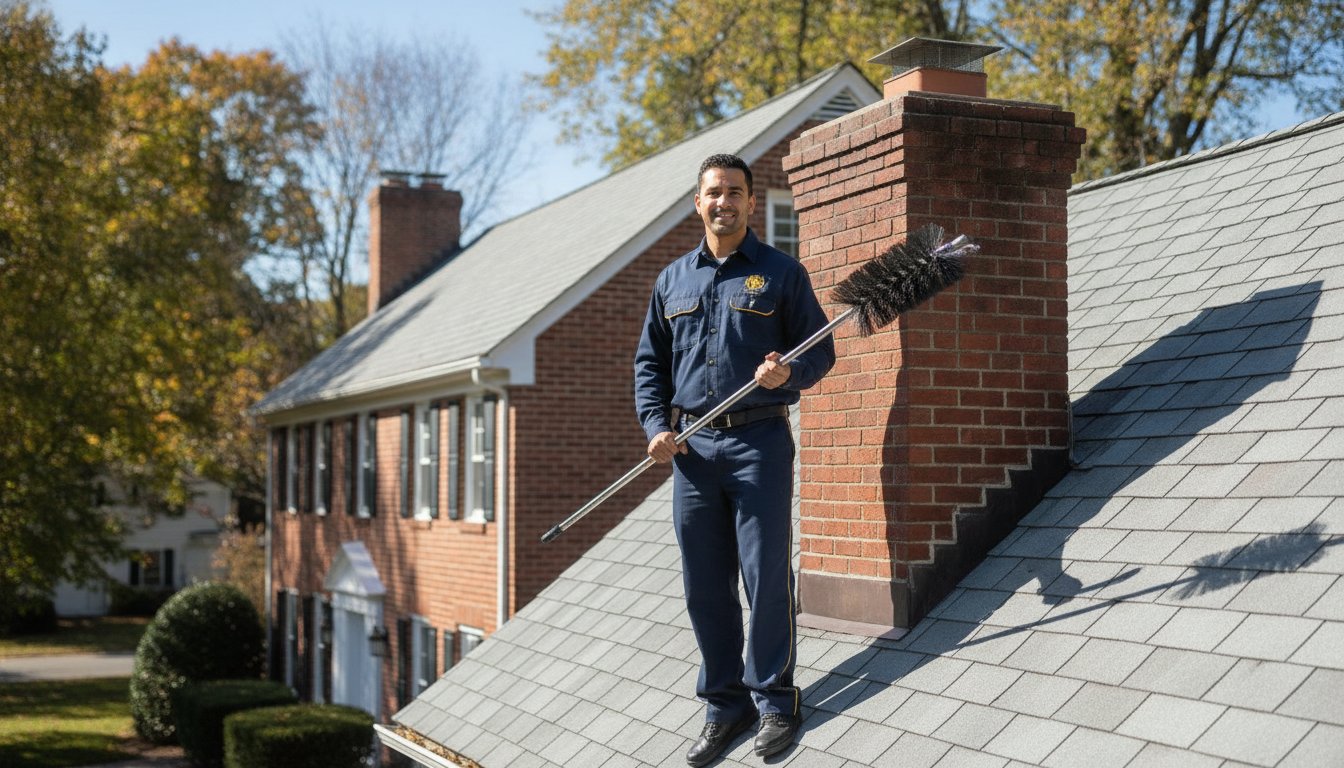
Expertise is the foundation of home safety. We don't hire general laborers. Every technician at Absolute Chimney Pros is CSIA certified. This certification is the industry's gold standard. It ensures your sweep understands the physics of airflow and the chemistry of creosote. Many homeowners ask how often should chimney be cleaned, but the answer is only as good as the professional providing it. We bring technical mastery to every driveway. No guesswork. No shortcuts.
Transparency is our policy. We utilize flat-fee pricing for our inspections. You'll never deal with hidden surcharges or "unlicensed" sweep scams. When we arrive, we prioritize your environment. A professional sweep should never leave a trace. We treat your home like a sanctuary. We use specialized dust-control systems and industrial-grade HEPA filtration. Our technicians lay down protective runners and seal the fireplace opening. The soot goes into our vacuums, not your carpet. This is our no-mess guarantee. Clean flues. Pristine floors.
Our Certified Inspection Process
Precision requires the right tools. A Level 1 inspection is our baseline visual scan. We check all readily accessible components of the fireplace and flue. When you buy a home or experience a chimney fire, you need a Level 2 inspection. This involves a high-definition internal camera scan. We find the silent killers. We identify structural cracks, missing mortar joints, and liner breaches that the naked eye misses. We provide a detailed report with photographic evidence. We show you the data before we start the work. You stay informed and in control.
Booking Your NJ/PA Service
We are a local partner for New Jersey and Philadelphia homeowners. We know the specific masonry challenges of our region. From historic Philadelphia row homes to modern NJ suburban builds, we have the experience to secure your venting system. We value your time. We offer same-week appointments because we know that safety cannot wait. Don't leave your family's well-being to chance. Determining how often should chimney be cleaned is the first step; hiring a certified professional is the second. We are ready to protect your home. Schedule your certified chimney inspection with Absolute Chimney Pros today!
-
Certified Experts: CSIA-trained technicians for every job.
-
Transparent Costs: Flat-fee inspections with no hidden surprises.
-
Advanced Technology: HD camera scans for deep diagnostic accuracy.
-
Local Reliability: Proudly serving New Jersey and the Philadelphia area.
Prioritize Your Family's Safety with Expert Oversight
Safety is a choice you make every season. You now understand the technical standards that keep a household secure. The NFPA 211 mandate is absolute. Inspect your system once a year. The 1/8-inch rule for creosote is your definitive limit for a sweep. If you've been wondering how often should chimney be cleaned, the answer depends on your usage, but the annual inspection is non-negotiable. Don't wait for a smoky living room or a dangerous odor to signal a problem. For those looking to maintain their home's full climate system beyond the fireplace, check out Ultra Air Heating and Cooling to ensure your heating and air conditioning units are also operating at peak safety and efficiency.
Absolute Chimney Pros provides the technical mastery your home deserves. Our CSIA-Certified Technicians eliminate the guesswork and identify hidden hazards before they escalate. We offer flat-fee inspection options for total transparency. With same-week appointments available in NJ and PA, professional protection is always within reach. We are your partner in home safety and structural integrity.
Secure your home today-Book a CSIA-certified chimney inspection now. Take control of your maintenance schedule and enjoy your fireplace with absolute peace of mind. Your safety is our mission.
Frequently Asked Questions
Can I clean my own chimney to save money?
Cleaning your own chimney is a dangerous gamble. Homeowners often lack the specialized brushes and high-lift vacuums required to contain hazardous soot and fine ash. More importantly, a DIY sweep doesn't include a diagnostic safety check. You might remove some surface soot but miss a crumbling liner or a cracked chimney crown. Professional oversight is the only way to guarantee your system is safe for the next burn.
What happens if I never clean my chimney?
Neglect leads to two primary hazards: fire and poison. Creosote is a highly flammable fuel that accumulates with every fire you light. If it ignites, it can reach temperatures over 2,000 degrees, potentially destroying your home's structure. Additionally, blockages from soot or animal debris can force deadly carbon monoxide into your living space. Regular maintenance is a small price for your family's safety and peace of mind.
Does a chimney sweep include an inspection?
A professional chimney sweep always begins with an inspection. It's impossible to safely clean a system without first understanding its structural condition. We perform a Level 1 inspection to check for obstructions and obvious signs of damage before any tools enter the flue. This ensures the cleaning process is effective and that the entire venting system is safe to use. We don't just brush; we verify.
Why does my chimney smell in the summer?
That "stinky" summer smell is caused by creosote off-gassing. New Jersey's high humidity levels react with the acidic deposits left in your flue from the previous winter. This chemical reaction releases a strong, asphalt-like odor into your home. It's a clear indicator that you need to evaluate how often should chimney be cleaned for your specific usage. A professional cleaning removes the smell and protects your masonry from moisture-driven decay.
How long does a professional chimney cleaning take?
Most professional appointments typically take 45 to 90 minutes. This timeframe allows our technicians to set up protective floor coverings, perform a thorough inspection, and execute a high-precision sweep. If we encounter Stage 3 creosote or heavy animal blockages, the process may take longer. We prioritize thoroughness over speed to ensure your home remains protected. We provide a full report once the task is complete.
Is it safe to use my fireplace if I see a small crack in the brick?
It is not safe to use a fireplace with any visible masonry damage. Even a small crack in a brick or a missing mortar joint can allow heat to escape the flue. This heat can ignite the wooden framing of your house hidden behind the chimney structure. Cracks also allow moisture to enter, which causes further structural failure during freeze-thaw cycles. Stop all fires until a professional evaluates the damage.
How much does a typical chimney cleaning cost in New Jersey?
Service costs in New Jersey are determined by the specific needs of your venting system. Factors like the type of fireplace, the height of the flue, and the thickness of the creosote layer all play a role. We focus on transparent, flat-fee pricing to ensure you know exactly what the job requires before we start. This approach eliminates the guesswork and builds trust through an honest, professional assessment of your home's safety.
Do I need to clean my chimney if I only use 'Duraflame' logs?
Artificial logs don't exempt you from annual maintenance. While these logs burn cleaner than green wood, they still produce deposits that require removal over time. More importantly, no log can prevent structural cracks, animal nests, or chimney cap damage. You still need to understand how often should chimney be cleaned to follow NFPA 211 safety standards and protect your property from preventable hazards. Safety requires a complete system check.