Did you know that lint buildup in dryer vents causes over 2,900 residential fires every year? It's a staggering figure that turns a simple household chore into a significant safety risk. You probably feel that a dryer taking two or three cycles to finish a load is just a sign of an aging machine. In reality, it's often a red flag for a dangerous blockage. We understand the frustration of excessive heat in your laundry room or that unsettling burning smell while the dryer runs. These aren't just inconveniences. They are urgent warnings from your home's ventilation system.
This guide will help you protect your New Jersey home by revealing why a lint buildup dryer vent issue is more than a nuisance. You'll learn to identify critical warning signs before a fire occurs and understand the real risks of restricted airflow. We will also clarify exactly when to call a professional to ensure your system is safe and efficient. Your family's safety depends on a clear vent. Let's look at how to secure your home.
Key Takeaways
- Understand how moisture turns flammable debris into thick, matted blockages that choke your dryer's airflow.
- Recognize critical warning signs like drying times over 45 minutes and excessive heat in your laundry area.
- Learn why a lint buildup dryer vent is a major fire hazard and how a single spark can ignite it.
- Avoid the dangers of DIY brush kits that can disconnect hidden joints and cause structural damage inside your walls.
- Discover the benefits of CSIA-certified inspections for maintaining safety and efficiency in your New Jersey home.
Understanding the Mechanics of Lint Buildup in Dryer Vents
Lint is not just harmless "fuzz." It is a highly combustible byproduct of fabric friction and intense heat. Every time you run a load of laundry, microscopic fibers are stripped from your clothing. While your lint trap catches the bulk of this material, it is not a perfect seal. Fine particles bypass the screen and enter the exhaust system. This is fundamentally how clothes dryers create lint. When these fibers exit the machine, they encounter a high-moisture environment.
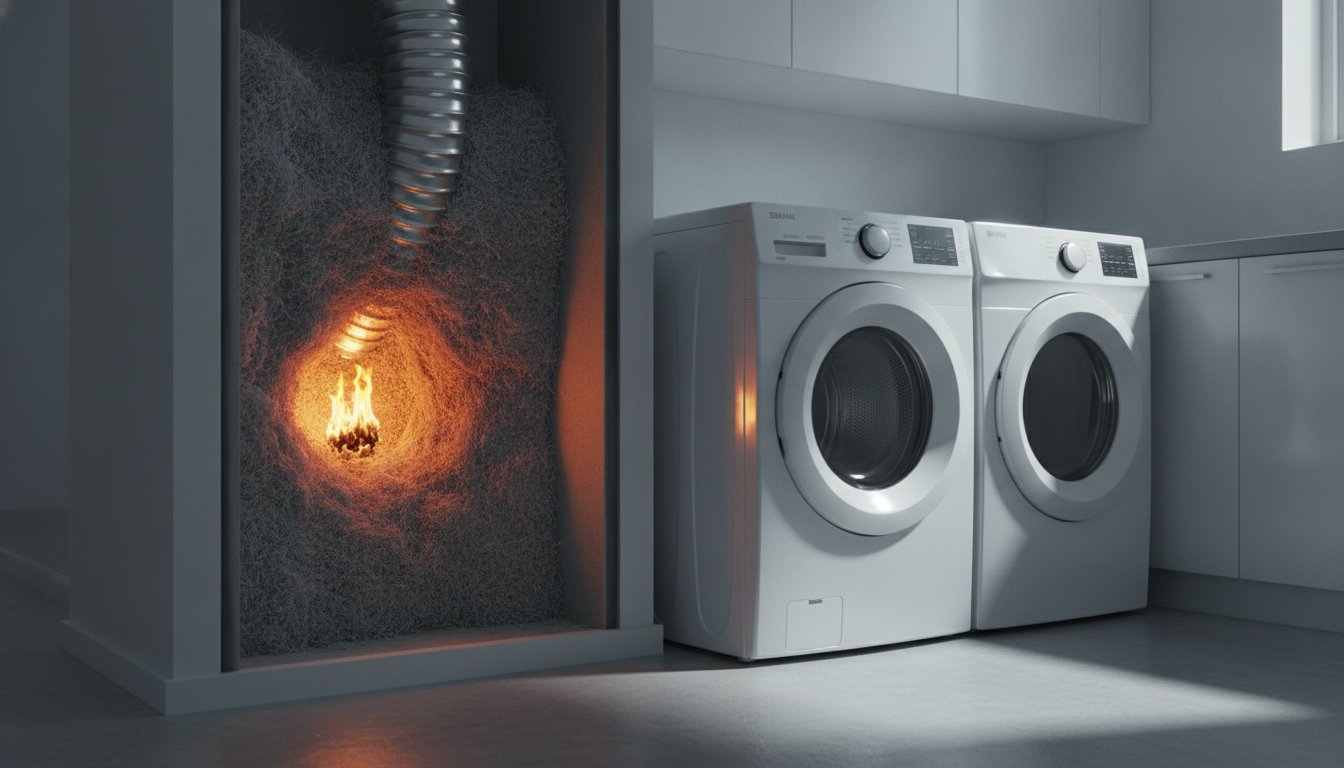
Moisture is the silent catalyst for disaster. Your dryer exhausts hot, humid air that carries these loose fibers through the ductwork. This moisture acts as a binding agent. It transforms fluffy lint into a thick, matted paste that clings to the interior of the pipe. As this paste dries, it hardens into layers. Over time, this lint buildup dryer vent issue creates a structural blockage that chokes your appliance. Static electricity compounds the problem. It acts like a magnet, "gluing" individual fibers to the walls of the duct before they can be exhausted outside.
Modern New Jersey townhomes are particularly vulnerable. Many of these properties feature laundry rooms located on second floors or in the center of the building. This design requires long, winding vent runs that often exceed 20 feet. Long runs cause the exhaust air to lose velocity. When the air slows down, it can no longer carry the weight of the lint. The result is a rapid lint buildup dryer vent obstruction that puts your home at risk.
The Role of Duct Material in Lint Accumulation
The material of your vent determines your level of risk. Rigid metal ducting is the gold standard for safety. It has a smooth interior that allows lint to slide through easily. In contrast, flexible foil or plastic "slinky" vents are dangerous. These materials are actually illegal in many NJ jurisdictions because they provide no fire resistance. Their internal ridges act as miniature traps every few inches, catching lint and building blockages at an accelerated rate.
Environmental Factors: Pests and Humidity
In the Philadelphia and South Jersey area, local wildlife creates unique hazards. Birds and squirrels often view a warm dryer vent as a prime nesting location. A single nest can cause a total blockage in a matter of hours. Regional weather also plays a role. High New Jersey summer humidity prevents lint from drying quickly, causing it to "clump" inside the line. If your exterior vent flap is broken or stuck open, it invites both pests and moisture into the system, fast-tracking the accumulation process.
The Hidden Dangers: Fire Hazards and Carbon Monoxide
A clogged vent is a ticking clock. It is not a minor maintenance task you can push to next month. According to NFPA research on dryer fires, failure to clean the exhaust system is the leading cause of residential dryer fires. Statistics show that roughly 2,900 home fires annually are the direct result of lint accumulation. These fires cause millions in property damage, hundreds of injuries, and tragic fatalities every year. When you ignore lint buildup dryer vent issues, you are leaving fuel inside your walls.
The danger lies in the flashpoint. Lint is composed of tiny, dry fibers with a massive surface area. This makes it incredibly easy to ignite. As the vent clogs, the dryer's internal temperature skyrockets because the heat has nowhere to go. The heating element may glow red hot. A single spark or even the ambient heat can reach the ignition point of the matted lint. Because the duct acts like a chimney, the fire has a ready supply of oxygen and a clear path to travel through the structure of your home. If you notice your dryer is hot to the touch, you should consider a professional dryer vent cleaning immediately.
Beyond the fire risk, a blocked vent causes severe structural damage to the appliance itself. Dryers are designed to operate within specific temperature ranges. When airflow is restricted, internal components like thermal fuses, belts, and bearings are subjected to extreme stress. You'll likely face expensive repairs or a total motor failure long before a fire starts. Treating a blockage as a "slow dryer" is a mistake. It is a safety emergency that requires immediate resolution to protect your investment and your family.
Carbon Monoxide: The Silent Threat for Gas Dryers
Gas dryers present a unique and deadly risk. These units rely on the vent to exhaust combustion byproducts, including carbon monoxide (CO). When lint blockages occur, these toxic gases cannot escape. Instead, they are forced back into your living space. Carbon monoxide is colorless and odorless, making it impossible to detect without technology. If you experience headaches, dizziness, or nausea while doing laundry, stop the dryer immediately. Every NJ home with a gas-powered dryer must have a dedicated CO detector in the laundry area to prevent a tragedy.
Mold and Mildew Growth in Clogged Vents
Trapped moisture leads to more than just slow drying. It creates a breeding ground for mold and mildew inside your walls. When the humid air can't exit, it condenses inside the ductwork. This water seeps into the surrounding insulation and drywall. Over time, this ruins your indoor air quality and can trigger respiratory issues for NJ families. A distinct musty smell in your laundry room is a classic sign of a moisture-clogged line. Clearing the blockage is the only way to stop the rot and protect your home's structural integrity.
Warning Signs Your Dryer Vent is Reaching a Critical Point
Your dryer is a vocal appliance. It provides clear signals when performance drops due to a lint buildup dryer vent obstruction. Ignoring these signs is a gamble with your home's safety. A standard load of laundry should be dry within 45 minutes. If your timer regularly exceeds this mark, your vent is likely restricted. Airflow is the lifeblood of the drying process. When it's choked, the machine works harder, runs longer, and creates a dangerous environment. Efficiency drops while risk levels climb.
Pay attention to the temperature of your laundry room. If the space feels like a sauna or the top of the dryer is too hot to touch, stop the cycle. This excessive heat indicates that the thermal energy is trapped inside the drum instead of being exhausted safely. You might also notice a faint burning smell or the aroma of "hot dust." This is the scent of singed fibers. It is a precursor to ignition. Visible lint around the dryer base or the wall connection is another red flag. It means the pressure inside the line is so high that lint is blowing back through the seams of the ductwork. Do not ignore these physical clues.
The "Two-Cycle" Rule of Thumb
Needing two cycles to dry one load is the most common indicator of a total vent blockage. It is a clear sign of system failure. Many homeowners accept a dryer taking two cycles to dry as a normal part of the machine's age. It isn't. Forcing your dryer to run twice doubles your fire risk. It also doubles your energy costs. Every extra minute of operation puts unnecessary stress on the heating element and increases the chance of a lint buildup dryer vent fire. Your dryer is telling you it's struggling. Listen to it.
Checking the Exterior Exhaust Hood
Go outside while the dryer is running. Perform a simple airflow test by placing your hand near the exhaust hood. You should feel a strong, consistent gust of warm air. If the breeze is weak or non-existent, the line is clogged. Check the exterior vent flap. It should stay wide open during operation. A stuck or heavy flap is an invitation for NJ rodents and insects to enter your home. Look for "lint snow" on your siding or the surrounding lawn. While some online forums suggest waiting until you see lint outside to clean the vent, we disagree. If lint is reaching your grass, the interior of your vent is already dangerously full.

DIY Maintenance vs. Professional CSIA-Certified Cleaning
Many homeowners attempt to resolve lint buildup dryer vent issues using cheap hardware store kits. This is a dangerous gamble. Drill-powered DIY brushes are notorious for snapping inside the ductwork. Even worse, they can easily disconnect hidden joints behind your drywall. Once a joint separates, your dryer exhausts hot, moist air directly into your wall cavity. You won't know there's a problem until mold grows or a fire starts. Safety isn't a weekend project. It's a technical requirement.
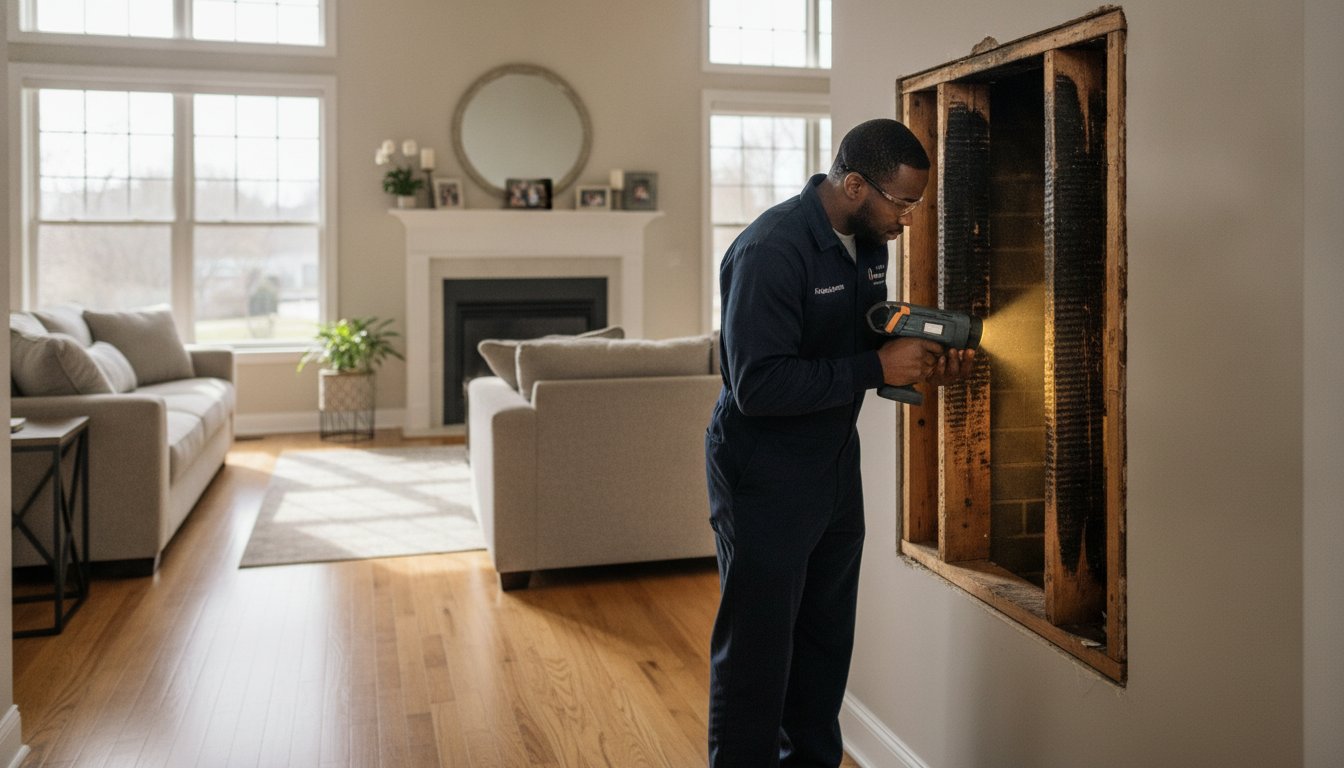
A standard shop vac is another common DIY mistake. These machines are designed for surface debris, not 20 feet of vertical ductwork. They lack the Cubic Feet per Minute (CFM) capacity to pull heavy, matted lint from deep within the line. You might clear the first three feet, but the core blockage remains untouched. Professional technicians use camera-assisted inspections to see what's happening inside your walls. We find structural gaps and disconnected pipes that a vacuum or brush would simply miss. If you suspect a blockage, schedule a professional dryer vent cleaning to ensure the job is done right.
We adhere to the strict standards of the Chimney Safety Institute of America (CSIA). Our technicians are Certified Dryer Exhaust Technicians (C-DET). This certification ensures we understand the physics of airflow and current building codes. We don't just "clean" a pipe. We verify the integrity of the entire ventilation system. This disciplined approach eliminates guesswork and prioritizes your family's safety.
What Happens During a Professional Cleaning?
Professional service involves more than a vacuum. We use high-pressure air tools and specialized rotary brushes designed to navigate bends without damaging the duct. Our process includes airflow velocity testing. We measure the air speed before and after the service to provide empirical proof of efficiency. We also check for UL-2158A code compliance. Many New Jersey homes still use outdated, flammable transition ducts. We identify these hazards and replace them with rigid metal components that meet modern safety standards.
The Cost-Benefit of Professional Service
Professional cleaning is an investment that pays for itself. A clear vent reduces drying times, which leads to immediate energy savings on your monthly utility bills. You also extend the lifespan of your appliance. By reducing thermal stress, you prevent the motor and heating element from burning out prematurely. Beyond the numbers, you gain a certified safety report. This document provides the peace of mind that comes from knowing your home is protected from a hidden fire hazard.
The Absolute Chimney Pros Approach to Ventilation Safety
Your home deserves professional oversight. At Absolute Chimney Pros, we provide a disciplined response to the threat of lint buildup dryer vent hazards. Our team consists of CSIA-certified technicians who specialize in the technical nuances of ventilation. We serve New Jersey and the Philadelphia area with a focus on precision and reliability. When you hire us, you aren't just getting a cleaning. You're getting an expert evaluation of your home's safety system.
Transparency is the foundation of our service. We offer flat-fee inspections with no hidden costs or surprise surcharges. Our process centers on a comprehensive "Vent-to-Termination" safety check. We examine every inch of the line, from the back of the appliance to the exterior exhaust hood. This thoroughness ensures that hidden blockages or structural gaps are identified and resolved. We understand that safety concerns are urgent. That's why we prioritize same-week appointments for homeowners who notice warning signs like excessive heat or burning smells. We don't guess; we verify.
Serving New Jersey and Philadelphia Families
Our experience covers the unique housing landscape of our region. We understand the venting challenges found in historic Philadelphia row homes and modern NJ townhomes alike. Long vent runs and complex duct paths are common in local architecture, making regular maintenance vital. We respect your time and your property. Our technicians are known for their punctuality and our "no-mess" service guarantee. We use specialized vacuums and containment tools to ensure your laundry room remains spotless. To learn more about our local services, see our guide on dryer vent cleaning NJ residents trust.
Schedule Your Safety Inspection Today
Do not wait for a disaster to strike. A lint buildup dryer vent is a preventable fire hazard that requires immediate attention. If your dryer is taking too long or the room feels too hot, the time to act is now. Our booking process is simple and efficient. You can reach us by phone or through our website to secure your appointment. We act as your protective partner, simplifying complex maintenance so you can enjoy total peace of mind. Protect your home with a professional dryer vent cleaning today. Our experts are ready to secure your environment and restore your dryer's efficiency.
Secure Your Home Against Hidden Ventilation Risks
Your laundry room shouldn't be a source of anxiety. Recognizing that a lint buildup dryer vent is a structural hazard is the first step toward a safer home. We've explored how moisture turns fibers into fuel and why your dryer's warning signs are urgent calls for help. Don't let a slow dry cycle turn into a house fire. Professional intervention is the only way to verify that your exhaust system meets modern safety standards. It's a technical requirement for a secure household.
Our team provides the expert oversight you need. We employ CSIA-Certified Technicians who understand the complexities of New Jersey and Pennsylvania homes. With same-week appointments available, we address your concerns before they escalate. We are fully licensed and insured; we ensure every inspection is thorough and transparent. There is no guesswork in our process. We show up, assess the risk, and execute a definitive solution. We prioritize your family's safety through technical mastery and ethical transparency.
Take control of your home's maintenance today. Schedule your professional safety inspection today to protect your investment and your family. Enjoy the peace of mind that comes with professional certification and a clear exhaust path. Your safety is our priority. Let's clear the way for a more efficient, fire-safe environment.
Frequently Asked Questions
How often should I have my dryer vent professionally cleaned?
You should have your dryer vent professionally cleaned at least once per year. Households with large families or multiple pets may require service every six months due to higher laundry volume. Regular maintenance prevents the accumulation of combustible fibers and ensures your appliance operates within safe temperature parameters. If you notice drying times increasing before your annual visit, schedule an inspection immediately.
Can a clogged dryer vent really cause a fire?
Yes, a clogged vent is the leading cause of dryer fires in residential properties. According to the U.S. Fire Administration, failure to clean the exhaust system results in approximately 2,900 fires every year. Lint is highly flammable and ignites quickly when the dryer's internal heating element reaches a critical flashpoint due to restricted airflow. This hazard is entirely preventable through professional oversight.
Why is my dryer taking so long to dry if I clean the lint trap?
Your lint trap only captures a fraction of the fibers stripped from your clothing during a cycle. The remaining particles enter the exhaust line and cling to the duct walls. Over time, this lint buildup dryer vent issue creates a physical barrier that prevents moisture from escaping. Even with a clean trap, a blocked duct forces your dryer to run longer and hotter to compensate for the lack of airflow.
Is it safe to use a flexible foil vent for my dryer?
No, flexible foil or plastic vents are unsafe and often violate local New Jersey building codes. These materials are highly flammable and provide no fire resistance if an ignition occurs. Their ribbed interior also acts as a series of miniature traps for debris. You should always use rigid metal ducting to ensure maximum safety and efficient airflow throughout the system.
How can I tell if my gas dryer is leaking carbon monoxide?
You cannot detect carbon monoxide by sight or smell, so you must rely on technology and physical symptoms. Signs of CO poisoning include persistent headaches, dizziness, and nausea while the dryer is running. If you have a gas dryer, install a dedicated CO detector in the laundry room to alert you to blockages that force toxic gases back into your home.
What is the average time a professional dryer vent cleaning takes?
A professional cleaning typically takes between 45 and 60 minutes to complete. This timeframe includes the initial airflow diagnostic, the mechanical cleaning process, and a final verification test. More complex installations, such as those with roof terminations or exceptionally long duct runs in townhomes, may require additional time to ensure the total removal of all obstructions.
Will a clean dryer vent really lower my energy bills?
Yes, a clean vent significantly reduces your monthly energy consumption. When airflow is unobstructed, your dryer finishes cycles faster and uses less electricity or gas. Many homeowners report a noticeable drop in utility costs after a professional service. A clear line also prevents premature wear on expensive internal components like the motor and heating element, saving you from costly repairs.
Can I clean my dryer vent myself with a vacuum?
No, a standard household vacuum lacks the suction power and reach to clean a professional-grade duct system. Most shop vacs do not have the necessary Cubic Feet per Minute (CFM) to pull heavy, matted lint through 20 feet of pipe. Professional tools use high-pressure air and rotary brushes to dislodge lint buildup dryer vent blockages that a vacuum simply cannot reach.