Your HVAC system is likely circulating more than just air. You see the thick layer of dust settling on your furniture just hours after cleaning. You smell that heavy, musty odor every time the heat or AC kicks in. It is a constant concern for your family's health and your rising energy bills. You need to know exactly how often to clean air ducts in house to stop this cycle of contamination and protect your investment.
We understand the frustration of uncontrollable allergens and the fear of being scammed by low-quality contractors. This article delivers the 2026 safety checklist to ensure your home meets the latest mandatory ACR standards. You'll discover the exact signs that your ventilation system needs professional intervention and the industry-standard frequency for a healthier environment. We will preview the newest requirements for 2026, including mandatory remote video inspections and scientific verification tests. This guide gives you the tools to hire a certified expert with total confidence and peace of mind.
Key Takeaways
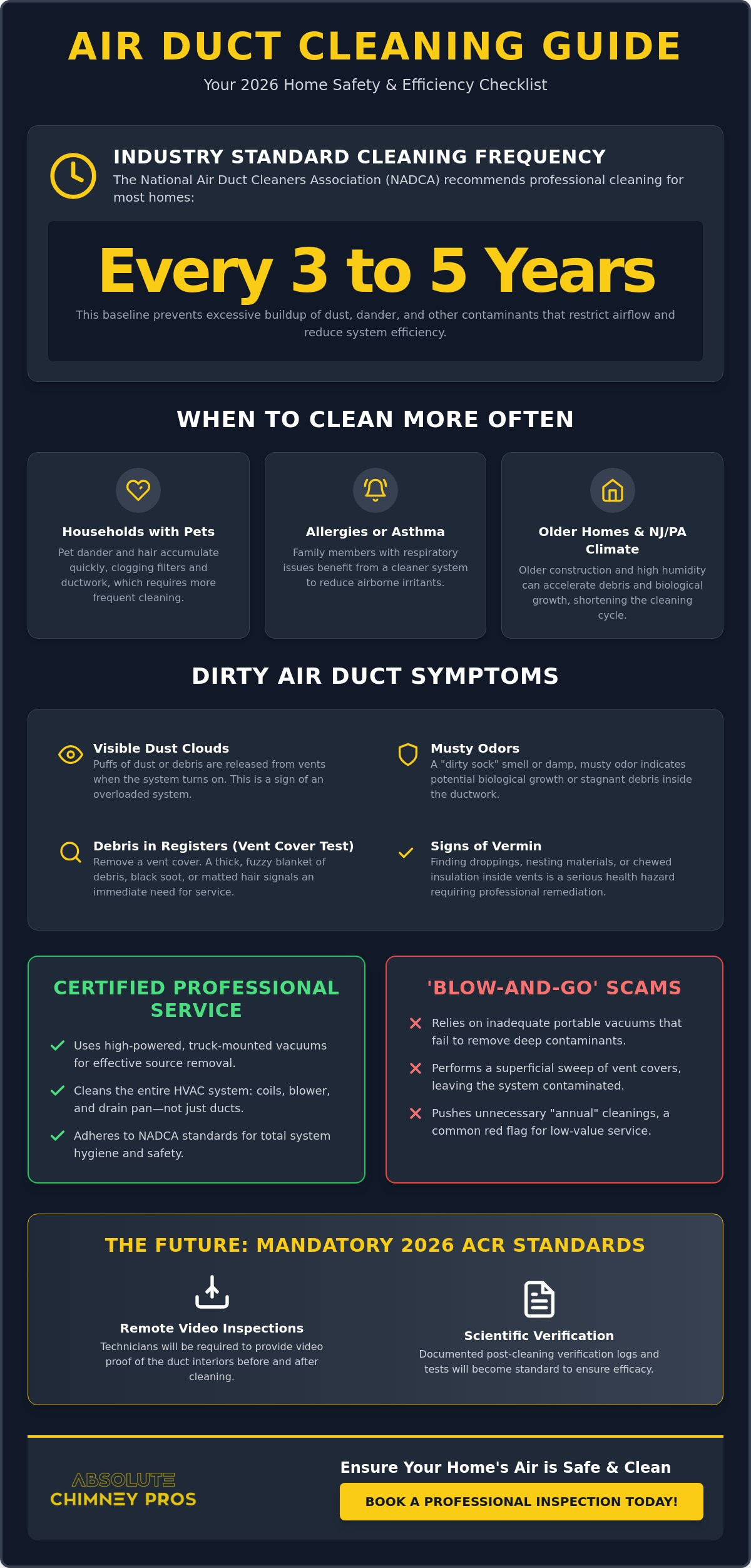
- Establish a reliable maintenance schedule by learning exactly how often to clean air ducts in house based on the three-to-five-year industry baseline.
- Perform a simple 'Vent Cover Test' to identify black soot or heavy debris accumulation that signals an immediate need for professional service.
- Understand how New Jersey and Pennsylvania humidity levels and older home construction can accelerate the need for ventilation cleaning.
- Protect your home from 'blow-and-go' scams by verifying the use of high-powered, truck-mounted vacuums over inadequate portable units.
- Ensure compliance with mandatory 2026 ACR standards, including required video inspections and documented post-cleaning verification logs.
The 3-to-5 Year Baseline: How Often to Clean Air Ducts in Your House
The National Air Duct Cleaners Association (NADCA) provides a definitive starting point for homeowners. Most residential systems require a professional cleaning every 3 to 5 years. This window isn't arbitrary. It's based on the documented rate of dust, dander, and particulate accumulation in a standard forced-air system. Over time, these contaminants settle inside your supply and return lines. They create a thick layer of debris that restricts airflow and strains your blower motor. Dust is relentless. It settles. It builds. It eventually compromises your breathing air.
Determining how often to clean air ducts in house requires a clear distinction between two types of service. Routine maintenance is a proactive measure to prevent system failure and maintain efficiency. Emergency remediation is a reactive response to visible mold, mysterious odors, or pest infestations. The updated 2026 standards shift the focus toward verifiable health metrics and technical precision. Professionals no longer just look for surface dust. We look for biological growth and microscopic particulates that bypass standard filters. While some studies on duct cleaning suggest that routine service isn't always mandatory for every household, the heavy usage patterns in the Tri-State area often make it a necessity for maintaining peak efficiency and air safety.
Why a Calendar Isn’t Enough
A date on a calendar is only a baseline. Your lifestyle and local climate dictate the actual frequency. New Jersey and Pennsylvania homes face extreme seasonal shifts. Our HVAC systems operate nearly year-round to combat humid summers and freezing winters. This constant operation cycles massive volumes of air. It moves skin cells, pet dander, and outdoor pollutants through your vents daily. High-efficiency MERV filters provide a strong line of defense. They trap smaller particles and can potentially extend your cleaning intervals. But don't be misled. Filters cannot stop everything. A "set it and forget it" mentality leads to restricted airflow and higher utility costs. Efficiency drops. Bills rise. Your system suffers.
NADCA Standards vs. Consumer Myths
NADCA guidelines are the gold standard for home safety. They emphasize total system hygiene. This means cleaning the coils, the blower, and the drain pan; not just the duct walls. Beware of contractors pushing "annual" cleanings. For most homes, once a year is excessive and unnecessary. It's often a red flag for a low-value scam. Genuine professionals focus on source removal. We use mechanical agitation and high-powered vacuums to ensure the job is done right. Don't settle for a superficial sweep of your vent covers. Demand a comprehensive system restoration that meets the rigorous 2026 safety benchmarks.
Dirty Air Duct Symptoms: A Homeowner’s Diagnostic Checklist
Your HVAC system speaks to you through subtle signs. You just need to know what to listen for. A common indicator is the "dust cloud" phenomenon. Watch your registers when the blower fan engages. If a visible puff of gray powder or debris exits the vent, your system is overloaded. This isn't just a cleaning issue. It's an air quality emergency. These particles circulate through your living space and settle deep in your lungs. It is a direct signal that your filtration has failed.
Odors provide another critical warning. Do you notice a "dirty sock" smell or a musty, damp scent when the heat or AC kicks on? This often indicates biological growth or stagnant debris within the ductwork. While determining how often to clean air ducts in house, these sensory triggers should override any calendar recommendation. If your home smells like a basement whenever the air runs, you have an active contamination source. The EPA's duct cleaning guidelines specify that visible mold or substantial debris release warrants immediate attention. Don't ignore these alerts. They are direct indicators of a failing environment.
Physical Evidence Inside the Registers
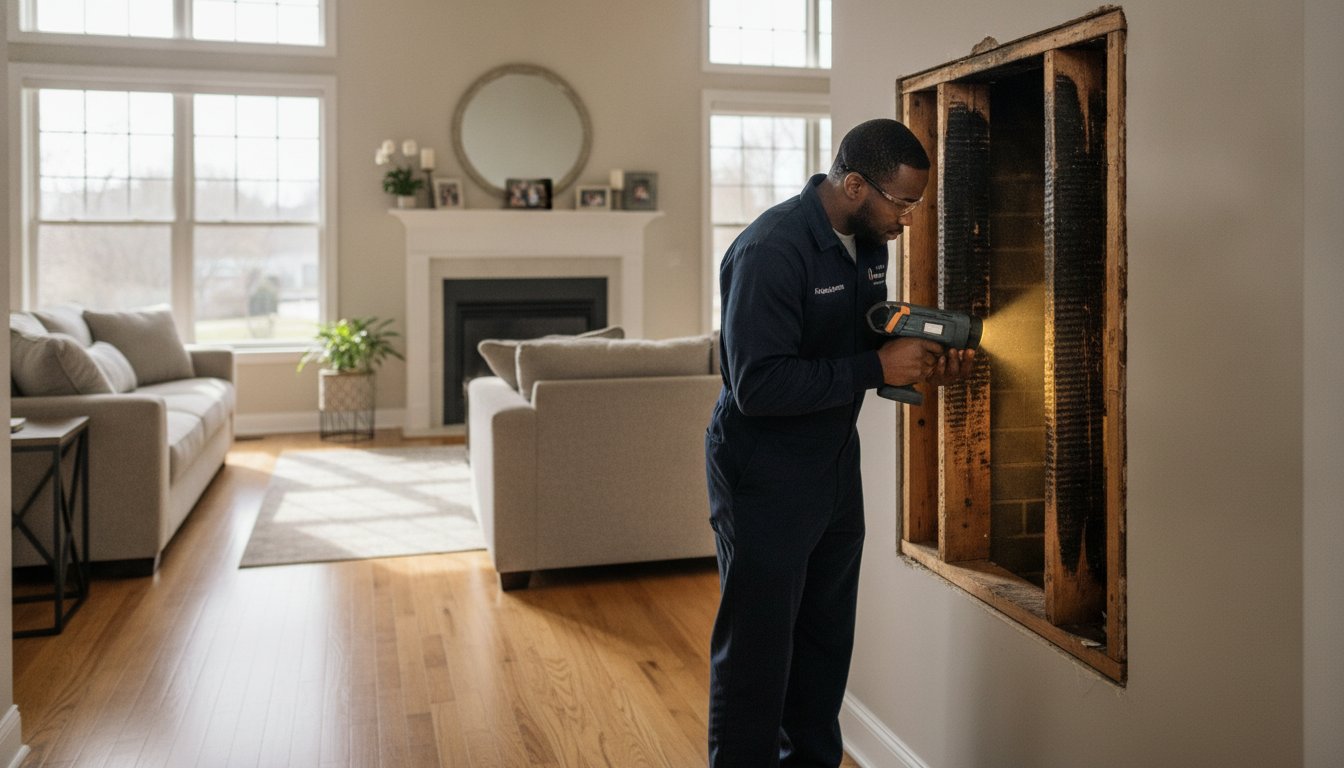
Perform a manual inspection to confirm your suspicions. Turn off the system. Remove a supply register cover. Use a high-powered flashlight to peer inside. A thin, translucent film of dust is normal. A thick, fuzzy "blanket" of debris is not. Look specifically for black soot or matted pet hair. These materials trap moisture and invite bacteria. Be vigilant for signs of vermin. Droppings, nesting materials, or chewed insulation are serious health hazards. If you find evidence of pests, a professional air duct inspection is the only way to ensure the entire system is sanitized and secure.
Airflow and Efficiency Warnings
Track your cleaning efforts. If you dust your furniture and see a fresh layer of gray silt within hours, your ducts are likely the source. This indicates that your filters are failing or your ductwork is so congested that it's bypassing the filtration system entirely. Your HVAC unit will work significantly harder to push air through these blockages. This leads to inconsistent temperatures between rooms and skyrocketing energy bills. For a deeper dive into local requirements, read our Whole Home Air Duct Cleaning NJ: The Homeowner’s Reference Guide (2026). Efficiency depends on a clear path for airflow. When debris restricts that path, your comfort and your wallet pay the price.
NJ and PA Climate Factors: Why Your Schedule Might Be Shorter
The Tri-State environment is aggressive. New Jersey and Pennsylvania residents face unique environmental pressures that residents in drier climates never encounter. Humidity levels in our region often exceed 60% during the peak of summer. This moisture creates a perfect breeding ground for ductwork mold. When deciding how often to clean air ducts in house, local environmental factors must take priority over national averages. Moisture leads to biological growth. Growth leads to health risks. You cannot ignore the local climate when planning your home maintenance.
Beyond climate, internal factors like hidden pipe leaks can also spike indoor humidity; specialists like Fast Plumbing, LLC are essential for identifying these plumbing-related moisture sources before they compromise your air quality and lead to ductwork mold.
Many New Jersey residences are older, featuring lath and plaster construction. This material releases a fine, gritty dust as it ages or settles. These particles are more abrasive than modern drywall dust. They clog HVAC components and restrict airflow with surprising speed. Additionally, our region's high pollen counts during the spring season overload return vents. If you suffer from seasonal allergies, your system is likely pulling those outdoor irritants into your ductwork every time the door opens. Following NADCA's cleaning standards is vital to ensure these local contaminants are fully removed, not just shifted around.
The Impact of Local Humidity and Mold
Philadelphia-area basements and crawlspaces are notorious for dampness. When cold air moves through metal ducts in a warm, humid basement, condensation forms. This moisture stays trapped inside the system. It fuels the growth of mildew and bacteria. Visual confirmation of mold is a clear sign of failure, but professional testing can identify spores before they become visible. If your home has a history of basement dampness, your cleaning cycle should be more frequent to prevent a full-blown infestation.
Pet Dander and Lifestyle Triggers
Your lifestyle directly impacts how often to clean air ducts in house to ensure a safe environment. Multi-pet households face the "pet multiplier" effect. Shedding hair and dander are heavy. They don't just float; they settle and mat together in the return lines. If you have two or more pets, your 5-year window closes. You are on a 3-year cycle. This is also true for homes with heavy cooking or smoking, as oils and resins create a sticky residue that traps more dust. Families with infants or elderly members should stick to a strict 3-year schedule. Their respiratory systems are more vulnerable to the microscopic debris that accumulates over time.
Professional Inspection vs. The 'Blow-and-Go' Scam
The "$99 special" is a trap. It is a classic bait-and-switch tactic designed to get a technician into your home. A professional, high-quality cleaning cannot be performed at that price. These "blow-and-go" companies use portable, shop-vac style units that lack the suction power to remove deep-seated debris. They often skip the critical components like the evaporator coils and the plenum. Cleaning only the registers is useless. It leaves the source of contamination untouched. When you consider how often to clean air ducts in house, remember that a cheap, superficial sweep is a waste of money. It does nothing for your air quality.
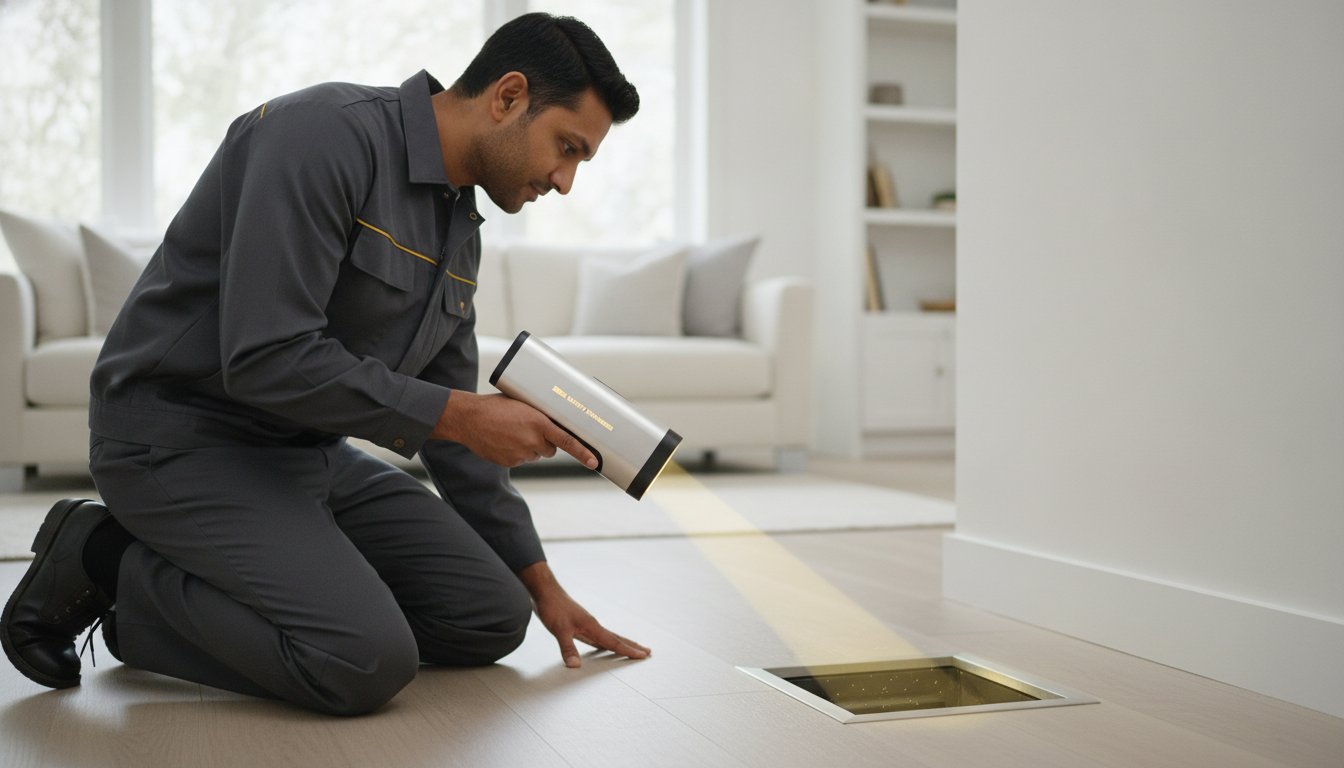
Equipment is the primary differentiator. Professional contractors utilize truck-mounted vacuum systems that generate thousands of cubic feet of suction per minute. This power is necessary to pull dust out of the home rather than blowing it into your living room. A comprehensive Air Duct Inspection New Jersey must include high-resolution cameras. This technology allows you to see the actual condition of your trunk lines. There is no guesswork. If a contractor refuses to show you video evidence of the blockage, they are likely hiding a lack of thoroughness.
Vetting Your NJ Ventilation Contractor
Don't invite a stranger into your home without verification. Demand to see CSIA or NADCA certifications. These credentials prove the technician has undergone rigorous training in fire safety and system hygiene. Ask for a written, on-site estimate. Avoid companies that charge "per vent" fees that skyrocket once the work begins. Ensure they carry valid liability insurance and are registered under the Home Improvement Consumer Protection Act in Pennsylvania or New Jersey. Your safety is non-negotiable. If you need a reliable assessment, schedule a professional Air Duct Inspection today.
What a Real Cleaning Looks Like
A legitimate service uses the 'Negative Pressure' method. The technician seals your entire system and attaches a high-powered vacuum to the main trunk. This creates a vacuum within the ducts. No dust escapes into your home. They then use mechanical agitation tools like rotary brushes and air whips to dislodge stubborn buildup. This is a methodical process. It takes time. It requires precision. Once the job is finished, demand post-cleaning verification. You should see the bare metal of your ductwork on the camera screen. This is the only way to confirm your home is truly safe.
Absolute Chimney Pros: Your Protective Partner in Home Safety
Your home's health depends on the air you breathe. We move beyond chimneys to provide comprehensive ventilation solutions. Our commitment to whole-home safety is absolute. We serve New Jersey and the Greater Philadelphia region with a focus on technical mastery. Every technician on our team is CSIA-certified. This ensures your system is handled by a disciplined expert who understands fire safety and airflow dynamics. We don't guess. We verify. If you are questioning how often to clean air ducts in house, we provide the clarity you need through transparent, flat-fee inspection options.
Reliability is our foundation. We offer same-week appointments for homeowners with urgent air quality concerns. We understand that mysterious odors or visible dust aren't just nuisances. They are risks. We show up on time. We assess the situation. We provide a clear, honest report. There are no hidden fees or "per-vent" surprises. You receive professional oversight from a partner who takes responsibility for your environment. Efficiency and honesty are our core values. We protect your home as if it were our own.
Our Diagnostic-First Approach
We believe in evidence over speculation. Our team utilizes high-resolution camera technology to perform every Air Duct Inspection. You see exactly what is inside your trunk lines. If your ducts are clean, we tell you. We provide honest assessments based on the latest 2026 ACR standards. This diagnostic-first model eliminates unnecessary costs. It builds trust through total transparency. During our visit, we also check your Dryer Vent Cleaning NJ status. Integrated safety is the only way to protect your home from both fire hazards and poor air quality. One visit. Total peace of mind.
Schedule Your Air Quality Review Today
Take control of your home environment now. A professional air duct health check is the first step toward a healthier family. You'll notice the difference in your lungs and your wallet. Removing blockages improves HVAC efficiency and lowers your 2026 energy bills. Don't wait for a system failure or a respiratory crisis. Act with vigilance. Our no-nonsense approach simplifies complex maintenance tasks for you. We provide the tools and the expertise to ensure your ventilation system operates at peak performance. Book Your Professional Air Duct Inspection Today and secure the protection your household deserves.
Secure Your Home’s Air Quality Today
Maintaining a safe environment starts with a clear plan. The 3-to-5 year baseline provides a standard. However, your actual needs depend on local humidity, pet ownership, and lifestyle triggers. Vigilance is your best defense against biological growth and rising energy costs. Perform regular visual checks. Don't ignore musty odors or persistent dust. These are the diagnostic signals that your system is failing to protect your family. Efficiency depends on a clear path for airflow. When debris restricts that path, your comfort and your wallet pay the price.
Understanding how often to clean air ducts in house allows you to stay ahead of contamination. It's about proactive care rather than reactive repairs. Absolute Chimney Pros has served New Jersey and the Philadelphia region for over a decade. We bring technical mastery to every job. Our CSIA-certified technicians provide honest, on-site estimates with no hidden fees. We prioritize your health and your system's efficiency. Stop the guesswork and start breathing easier. Schedule Your Certified Air Duct Inspection with Absolute Chimney Pros and experience the peace of mind that comes with professional oversight. Your home deserves a vigilant protector.
Frequently Asked Questions
Can dirty air ducts make you sick?
Yes. Contaminated ventilation systems circulate mold spores, bacteria, and fine particulates throughout your living space. This leads to persistent respiratory issues, sinus congestion, and headaches for many homeowners. If your symptoms improve when you leave the house, your ductwork is likely the source of the problem. Professional cleaning removes these triggers and restores your home’s air quality.
How long does a professional air duct cleaning take?
A thorough cleaning for a standard single-family home typically takes 3 to 5 hours. This timeframe allows technicians to seal the system, establish negative pressure, and meticulously agitate every branch line. Larger homes or systems with significant debris buildup may require additional time. Beware of contractors who claim to finish the job in under an hour. Speed often indicates a superficial, low-quality service.
Will air duct cleaning make my house less dusty?
Yes. Cleaning removes the internal reservoir of silt and dander that settles in your trunk lines. Without this service, your HVAC system acts as a dust distributor, re-circulating the same particles every time the fan engages. By removing the source material, you'll see a significant reduction in the film that accumulates on your furniture and electronics. It stops the cycle of constant cleaning.
Is it worth cleaning air ducts in an old house?
Yes. Older homes in New Jersey and Pennsylvania often have decades of accumulated debris, including lath and plaster dust from past settling. These materials are abrasive and can cause premature wear on your HVAC blower motor. If you are renovating such a property, you can learn more about Book Your Dumpster USA to manage the waste effectively. Determining how often to clean air ducts in house for older properties is critical for maintaining efficiency. A clean system runs smoother and lasts longer, protecting your investment in an aging structure.
How do I know if my air ducts have mold?
Musty, damp odors are the primary indicator of biological growth within your vents. You might also see black or green spotting on your register grilles or near the evaporator coils. Moisture is the catalyst. If your basement or crawlspace is damp, your ducts are at high risk. A camera-assisted inspection is the only way to confirm growth in the deep recesses of your main trunk lines.
Does the EPA recommend air duct cleaning?
The EPA suggests cleaning on an as-needed basis rather than a fixed routine. They specifically recommend professional intervention if you have visible mold growth, vermin infestations, or excessive amounts of dust being released into the home. Our 2026 safety checklist aligns with these triggers. We focus on diagnostic evidence to ensure you only pay for the services your home actually requires.
What is the average cost of air duct cleaning in New Jersey?
Total costs depend on your home's square footage, the number of HVAC units, and the total vent count. Legitimate professional services require high-powered truck-mounted vacuums and certified labor. Don't fall for "bait-and-switch" pricing that starts low and adds hidden fees. A transparent, on-site estimate is the only way to ensure you receive a fair price for a comprehensive, NADCA-standard cleaning.
Can I clean my own air ducts with a vacuum?
No. Household vacuums lack the negative pressure required to pull debris out of long duct runs. Standard vacuums also lack the HEPA filtration needed to trap microscopic spores, often blowing them back into your rooms. Professional equipment uses specialized agitation tools and industrial-strength suction to ensure contaminants are removed from the home entirely. DIY attempts often do more harm than good by stirring up settled dust.