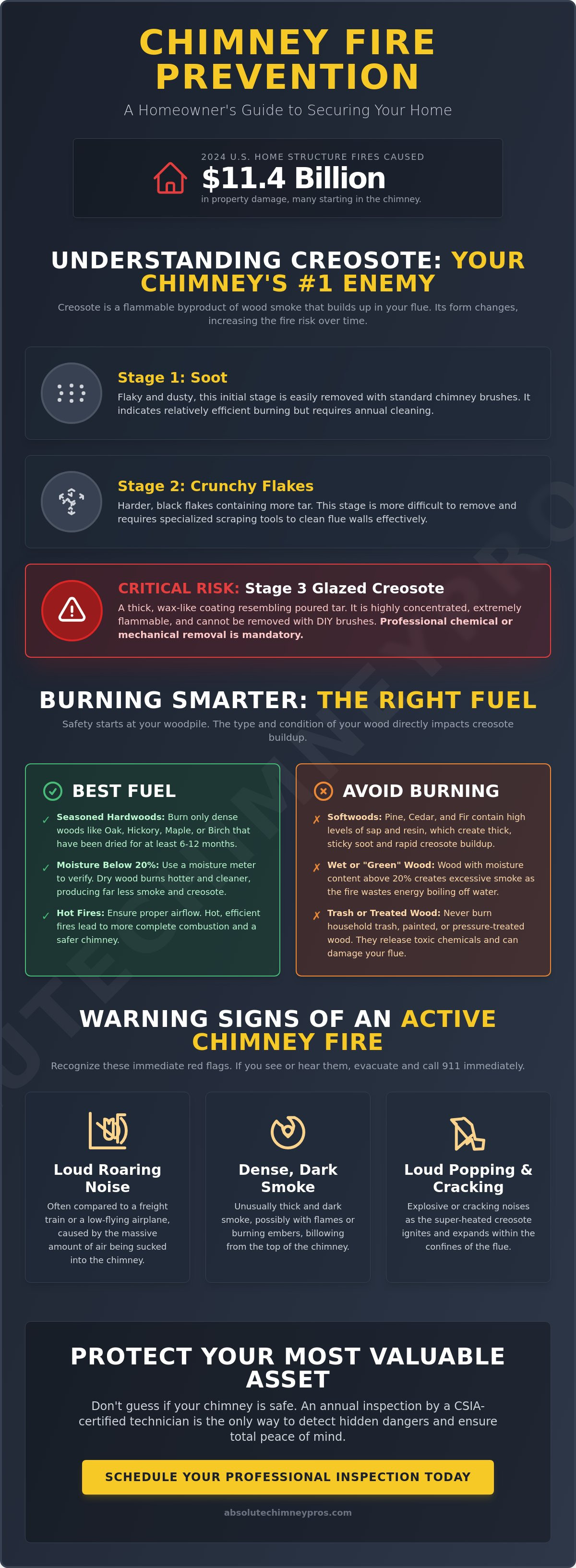
In 2024, the United States recorded over 329,500 home structure fires, resulting in a staggering $11.4 billion in property damage. Many of these disasters began in the one place meant to provide comfort: the chimney. You prioritize your family's safety, yet technical terms like "stage three creosote" or "NFPA 211 standards" often create more confusion than clarity. It is normal to feel a sense of urgency about your flue's condition. This guide delivers the specific chimney fire prevention tips you need to secure your New Jersey or Philadelphia home for the 2026 season.
You deserve the total peace of mind that comes from professional oversight. We will outline the essential maintenance habits and professional strategies required to eliminate fire hazards. This article previews the clear warning signs of a chimney fire, explains how to manage fuel quality, and identifies when it is time to call a CSIA-certified expert. We provide a disciplined, no-nonsense roadmap to structural integrity. Stop wondering if your fireplace is safe. Start knowing. Your home is your most valuable asset. Protect it with precision.
Key Takeaways
- Understand the science of creosote to neutralize your chimney's primary enemy. This flammable byproduct condenses and hardens on flue walls, creating a significant fire hazard if left unmanaged.
- Master fuel selection by burning only seasoned hardwoods with a moisture content below 20 percent. These essential chimney fire prevention tips help you avoid the heavy sap and rapid soot buildup caused by softwoods like pine.
- Identify the structural barriers that protect your home from heat transfer. A secure chimney liner is your first line of defense against masonry gaps that allow heat to reach combustible wall studs.
- Recognize the immediate warning signs of a chimney fire. Listen for a "freight train" roar or loud popping noises, and watch for dense, dark smoke billowing from the chimney top.
- Prioritize professional verification through annual inspections. CSIA-certified technicians use specialized internal cameras to detect hidden cracks and structural defects that are invisible to the naked eye.
The Science of Creosote: Understanding Your Chimney’s #1 Enemy
Creosote is the primary threat to your home's safety. It is not just soot. It is a complex, hazardous byproduct of incomplete wood combustion. Creosote is a carbonaceous chemical compound that ignites at high temperatures. To truly understand what creosote is, you must view it as a fuel source living inside your walls. It forms when wood smoke, which contains unburned gases and tar droplets, meets the relatively cool surface of your chimney flue. The smoke condenses into a liquid. It then hardens into a solid. This cycle repeats every time you light a fire. It creates a layered hazard that grows more dangerous over time.
Ignoring this buildup is a gamble you cannot afford to take. Effective chimney fire prevention tips always begin with a thorough understanding of this substance. If your fire burns low or your wood is damp, combustion is incomplete. This creates excessive smoke. More smoke leads to faster accumulation. The risk is not just a dirty chimney. The risk is a structural fire. A chimney fire can reach temperatures that crack masonry and ignite your home's framing in minutes. Knowledge is your first line of defense.
The Three Stages of Creosote Buildup
Creosote evolves. It changes physical states as it matures and reacts to heat. Identifying which stage is present in your flue is critical for determining the necessary level of service. There are three distinct phases of accumulation:
- Stage 1: This is primarily soot. It is flaky and dusty. A standard chimney sweep removes this easily with basic brushes. It indicates relatively efficient burning but still requires annual attention.
- Stage 2: These are crunchy, black flakes. They contain a higher concentration of tar. This stage is more difficult to remove than soot. It requires specialized tools to scrape the flue walls clean without damaging the structure.
- Stage 3: This is the most dangerous form. It appears as a thick, glazed, wax-like coating. It looks like poured tar. At this point, the creosote is highly concentrated and extremely flammable.
Why Stage 3 Creosote is a Critical Fire Risk
Glazed creosote is essentially a solid block of fuel. It does not just sit there. When your chimney reaches high temperatures, this layer can liquefy and run down the flue. It can also expand like a sponge and ignite rapidly. Once it catches fire, it burns with intense heat. This heat often exceeds the temperature rating of your chimney liner. Homeowners cannot remove Stage 3 creosote with a DIY brush. It is too hard. It is too bonded to the masonry. Professional chemical treatments or specialized mechanical tools are the only ways to remediate this hazard. Professional intervention is the only path to safety when glaze is present. Implementing these chimney fire prevention tips ensures your home remains a sanctuary, not a hazard.
Burning Smarter: Operational Prevention and Fuel Selection
Safety starts with your woodpile. Not all logs are created equal. To maximize safety, only burn seasoned hardwoods with a moisture content below 20 percent. Wet or "green" wood is a liability. It forces the fire to waste energy evaporating water rather than producing heat. This results in excessive smoke and rapid creosote accumulation. Use a moisture meter to verify your supply. It's a simple tool that prevents a complex disaster. These chimney fire prevention tips only work if you control what enters the hearth.
Avoid softwoods like pine or cedar for primary heating. They contain high levels of sap and resin. While they smell pleasant, these materials burn fast and leave behind thick, sticky residue. In the humid Mid-Atlantic climate, wood seasoning is a disciplined process. It takes time. Neglecting this step compromises your flue's integrity. Proper airflow is also non-negotiable. Never choke a fire to the point of smoldering just to save wood. Smoldering fires produce the coolest smoke, which condenses quickly on your chimney walls.
NJ and PA Hardwood Guide for Clean Burning
Homeowners in New Jersey and Pennsylvania have access to some of the best fuel in the country. Oak and Hickory are the gold standard. They provide high heat output and minimal smoke. These dense woods burn slowly and completely. Maple and Birch are excellent secondary options. They ignite easier than oak while maintaining a clean burn profile. Never use unseasoned wood. Green wood can double the rate of creosote buildup in a single season. If the wood hisses or bubbles when it burns, it isn't ready. Stop using it immediately.
Fireplace Operation Mistakes to Avoid
Your fireplace is not a trash can. Never burn cardboard, wrapping paper, or treated lumber. These materials release toxic chemicals and can create "floaters" that ignite creosote higher up the flue. Liquid fire starters or gasoline are strictly forbidden. They cause explosive ignition that can damage masonry or cause immediate injury. Always ensure the damper is fully open before you strike a match. Restricted airflow is a primary cause of dangerous accumulation. Maintain a hot, fast-burning fire to ensure gases exit the chimney before they can condense into tar.
Precision in operation leads to a safer home. If you're concerned that past burning habits have already created a hazard, scheduling a professional chimney sweep is the most reliable way to reset your safety baseline. Clear instructions and the right fuel eliminate the guesswork of fire safety. Don't wait for a warning sign to take action. Establish a clean burning routine today.
Structural Integrity: The Physical Barriers Against Fire
A clean chimney is only half the battle. Your home's safety depends on the physical condition of the chimney's structure. The chimney liner is your primary defense against heat transfer to your home. Without a sound liner, the intense heat of a fire is separated from your wooden wall studs by only a few inches of brick. Masonry is porous. Over time, heat finds its way through. Masonry gaps or cracked flues allow heat to reach combustible wall studs, often igniting them without warning. These structural failures are often invisible from the hearth.
A chimney fire can reach 2,000 degrees Fahrenheit, melting metal liners and shattering clay tiles. At these extreme temperatures, structural failures happen fast. You must also consider the role of the chimney cap in preventing bird nests and debris blockages. A blocked flue forces heat and toxic gases back into your living space. These physical components are the silent guardians of your hearth. Neglecting them renders all other chimney fire prevention tips ineffective. Precision in maintenance saves lives. Do not overlook the hardware that keeps the fire contained.
The Critical Role of the Chimney Liner
Liners protect masonry from corrosive combustion byproducts. Without them, acidic gases eat away at the mortar joints from the inside out. Clay tile liners are common in older NJ and PA homes, but they are prone to cracking under thermal shock. Stainless steel liners offer better fire protection and superior longevity. They provide a seamless, insulated path for smoke to exit. If your current liner is compromised, you are living with a significant fire risk. Learn more about Chimney Liner Installation NJ: Protecting Your Flue to understand your options. A secure liner is a non-negotiable safety standard.
Inspecting the Exterior: Crowns and Masonry
The outside of your chimney tells a story. Water is the enemy of masonry. When water enters the chimney crown or mortar, it freezes and expands. This cycle leads to structural cracks that invite fire. Watch for signs of "spalling" bricks. This is when the face of the brick peels or pops off. Spalling indicates your chimney is failing and absorbing excessive moisture. A failing exterior often reflects internal damage. Regular verification is the only way to catch these issues early. Review the Chimney Inspection New Jersey: The Essential Safety Checklist for 2026 to ensure your exterior is sound. Structural integrity is not optional. It is the foundation of a fire-safe home. Utilizing these chimney fire prevention tips requires a vigilant eye on the brickwork.
Warning Signs: How to Spot an Imminent Chimney Fire
A chimney fire is a violent event. It is often loud. It is always dangerous. You must recognize the warning signs before the situation becomes uncontrollable. Audible clues are the most common indicators. Listen for a loud cracking, popping, or a "freight train" roar. These sounds signal that the creosote inside your flue has ignited. Visual cues are equally alarming. Watch for dense, dark smoke billowing from the chimney top. This is not the light, grey exhaust of a healthy fire. It is thick and heavy. Olfactory signs include intense, acrid smells that persist after the fire is out. These odors smell like burning chemicals or melting plastic. Learning to identify these signals is a core part of effective chimney fire prevention tips.
Precision in observation can save your home. If you notice any of these signs, do not hesitate. A fire that starts in the flue can spread to the roof or internal walls in minutes. After a fire has occurred, the creosote takes on a specific appearance. It looks like puffed-up, charred cereal. This "honeycombed" creosote is a definitive sign that your chimney has experienced a high-heat event. It indicates that the structural integrity of your liner is likely compromised. You cannot ignore the aftermath of an over-fire event.
The "Freight Train" Effect
Why does a chimney fire sound like a jet engine or a train? It is the result of a high-velocity burn. As the creosote ignites, it creates a massive pressure differential. The fire sucks in oxygen with extreme force. This creates a vacuum effect that produces a low-frequency roar. Inside the flue, the fire is consuming the fuel source at an exponential rate. If you hear this sound, do not investigate. Immediate steps: Get everyone out of the house. Call 911 from a safe distance. Never attempt to extinguish a flue fire yourself. The risk of structural collapse or smoke inhalation is too high.
Subtle Signs of a Previous Chimney Fire
Not all chimney fires are explosive. Some burn slowly and silently. You may have had a fire without realizing it. Inspect your hardware. Look for discolored or distorted rain caps or shrouds. High heat warps metal and discolors steel. Search your yard and roof. Chunks of puffed-up creosote found on the ground are clear evidence of a previous event. Finally, check your brickwork. Cracks in exterior masonry that weren't there before often indicate thermal shock. The masonry expanded too quickly and fractured. These subtle signs are warnings for the future.
A damaged chimney is a ticking time bomb. If you suspect your system has experienced a fire, you must seek professional verification. Schedule a comprehensive chimney inspection to identify hidden structural failures. We use specialized cameras to find cracks that the naked eye misses. Do not light another fire until your flue is cleared by an expert. Safety is a choice. Make the right one today.
Professional Verification: The Absolute Chimney Pros Standard
Homeowner maintenance is the first line of defense. Professional verification is the final safeguard. You can burn the right wood and watch for smoke, but you cannot see through solid masonry. Annual inspections are the only way to verify hidden structural safety. Precision matters when your family's safety is on the line. We don't guess about the condition of your flue. We prove it. Our technicians utilize advanced technology to ensure your system meets rigorous safety standards before you ever strike a match. Same-week appointments in NJ and Philadelphia ensure you're ready for the first frost without the stress of a long waitlist.
Transparency is the foundation of our process. The Absolute Chimney Pros flat-fee inspection provides total clarity from the start. You won't face surprise charges or hidden "emergency" fees. We provide a definitive report on your chimney's health. This allows you to make informed decisions about repairs or cleaning. Integrating professional oversight into your routine is one of the most effective chimney fire prevention tips available. It moves your home from a state of uncertainty to a state of documented safety. Reliable protection requires a disciplined approach to maintenance.
Why CSIA Certification Matters
Certification is not just a badge. It is a commitment to technical mastery. CSIA-certified technicians undergo rigorous training on fire codes, venting standards, and the physics of combustion. They understand how different appliances interact with your specific flue type. This expertise is vital for spotting subtle hazards that general contractors often miss. It also includes an ethical commitment to honest reporting. We prioritize your safety over a sales pitch. If your system is sound, we tell you. If it's a hazard, we show you why. For a deeper look at our process, review Chimney Sweep NJ: Certified Cleaning & Safety Prep for Your Home. Professionalism is our baseline.
Level 2 Inspections: Seeing the Unseen
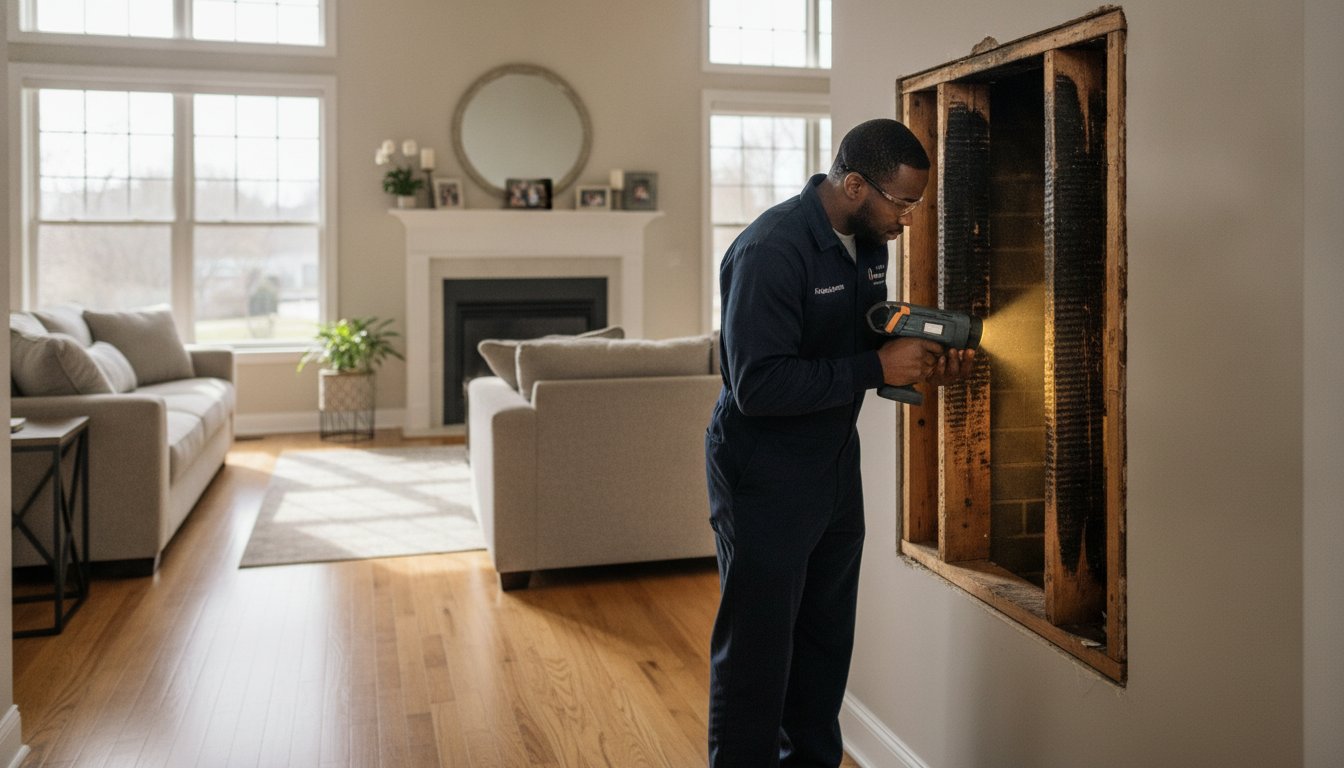
A Level 2 inspection goes far beyond a simple visual check. We use high-resolution internal cameras to scan the entire length of your flue. This technology reveals joint separations, liner breaches, and early-stage creosote glazed in corners that brushes can't reach. These defects are the primary causes of house fires. Identifying these issues before they ignite is the ultimate goal of any safety plan. We check the attic, crawl spaces, and the exterior masonry to ensure the entire system is sealed. Don't leave your safety to chance this winter. Schedule your certified chimney safety inspection today and gain the peace of mind that comes from expert verification. These chimney fire prevention tips are your roadmap to a secure, warm home.
Secure Your Hearth for the Season Ahead
Safety is a choice. It requires constant vigilance, proper fuel selection, and uncompromising structural integrity. You now understand the chemical danger of glazed creosote and the absolute necessity of seasoned hardwood. You know the audible and visual warning signs to watch for during every burn. However, internal structural defects and liner breaches remain invisible to the untrained eye. Consistently applying these chimney fire prevention tips is the first step toward a secure living environment. The final, most critical step is professional verification from a trusted expert.
Absolute Chimney Pros provides the technical mastery you need to protect your property. Our CSIA-certified technicians use high-resolution camera technology to eliminate guesswork. We prioritize total transparency through our flat-fee inspection options. Serving NJ and Philadelphia, we act as your protective partner in comprehensive home maintenance. Don't leave your family's safety to chance this winter. Secure your home with a professional chimney inspection today. Experience the confidence that comes from professional oversight. Your peace of mind starts with a single, disciplined appointment.
Frequently Asked Questions
What are the most common causes of chimney fires?
The primary cause of chimney fires is the ignition of creosote buildup. This highly flammable substance accumulates when wood burns incompletely, often due to poor airflow or wet fuel. Secondary causes include structural defects like cracked liners or blocked flues that trap intense heat. Implementing regular chimney fire prevention tips is the only way to mitigate these risks effectively.
How can I tell if my chimney is dirty without climbing on the roof?
You can check for heavy buildup by shining a bright flashlight up past the damper into the flue. Look for a thick, crusty, or velvet-like layer on the walls. If the soot layer is 1/8 inch or thicker, the system is a fire hazard. Don't rely on guesswork. If you see black, shiny deposits, your chimney requires professional cleaning immediately.
Does burning "creosote sweeping logs" actually work?
Creosote sweeping logs do not remove creosote; they only chemically alter it to make it more brittle. This may help a professional sweep remove the buildup more easily during a scheduled appointment. These logs are not a substitute for a physical cleaning. Relying on them alone creates a false sense of security while flammable material remains stuck in your flue.
Can a chimney fire happen in a gas fireplace?
Yes, a chimney fire can occur in a gas fireplace vent, though it is less common than in wood-burning systems. Fires in these units are typically caused by outside debris, such as bird nests or leaves, catching fire within the venting system. Gas fireplaces still require annual inspections to ensure the flue is clear and the structural components remain intact.
How often should I have my chimney inspected in New Jersey?
You should have your chimney inspected at least once per year in New Jersey, regardless of how often you use the fireplace. This follows the National Fire Protection Association (NFPA) 211 standard for safety. Annual checks are essential to identify animal nests, moisture damage, or masonry cracks that occur during the off-season. Consistent scheduling is a cornerstone of effective chimney fire prevention tips.
What should I do if I suspect a chimney fire is happening right now?
Evacuate all occupants from the home immediately and call 911 from a safe distance. Do not attempt to extinguish the fire yourself or climb onto the roof. A flue fire can reach 2,000 degrees Fahrenheit and spread to your home's structure in seconds. Once everyone is safe, wait for the fire department to confirm the situation is under control before re-entering.
Is it safe to use my fireplace if I see small cracks in the brick?
No, it is not safe to use a fireplace if you see visible cracks in the masonry or chimney crown. Even small cracks allow heat to escape and reach combustible house framing behind the brick. Cracks also invite water intrusion, which leads to rapid structural failure during freeze-thaw cycles. Any visible damage requires a professional assessment before you light your next fire.
What is the difference between a chimney sweep and a chimney inspection?
A chimney sweep is a cleaning process designed specifically to remove soot and creosote from the flue. A chimney inspection is a comprehensive structural evaluation of the entire system, including the liner, masonry, and clearance to combustibles. While a sweep improves performance, only an inspection verifies that the chimney is physically safe to operate. Both are necessary for total home safety.