Did you know that over 15,000 house fires start in the laundry room every year? Most homeowners ignore the first warning sign: a dryer taking two cycles to dry a single load. This isn't just a nuisance or a sign of an old machine. It's a red flag that your home’s ventilation is failing and creating a serious hazard.
You're likely tired of high energy bills and clothes that come out smelling musty or feeling dangerously hot to the touch. You shouldn't have to waste your entire Saturday waiting for one basket of laundry to finish. We understand that frustration. To save time while your machine is underperforming, you can check out Laundry Breeze for professional laundry care. It's time to stop the guesswork and address the problem at its source. Reliability starts with a clear exhaust path.
This guide will help you identify the root cause of your dryer’s inefficiency. We'll show you how to eliminate the hidden fire hazards lurking in your ventilation system. We will break down the difference between mechanical failure and airflow restriction so you can restore your home's safety and get back to drying clothes in a single cycle.
Key Takeaways
- Understand the critical role of airflow. Heat loosens moisture, but proper ventilation must remove it from your home.
- Identify why a dryer taking two cycles to dry is a red flag for a hazardous lint buildup.
- Recognize the hidden dangers. Blocked vents are a leading cause of residential fires and carbon monoxide risks in gas dryers.
- Learn a definitive diagnostic test. If your dryer feels hot to the touch but clothes stay damp, your vent is the culprit.
- Discover how professional camera inspections and high-velocity cleaning tools eliminate guesswork to restore total system safety.
What Does It Mean When Your Dryer Takes Two Cycles to Dry?
A dryer taking two cycles to dry is more than a minor annoyance. It's a system failure. Many homeowners assume the machine is simply getting old. This is rarely the case. In reality, two-cycle drying signals a complete breakdown in the evaporation and exhaustion process. Your dryer has two main jobs: loosening moisture with heat and carrying that moisture out of your home with airflow. If the second part of that equation fails, the first part becomes useless.
Think of your dryer as a high-performance exhaust system. Heat is the catalyst. It turns liquid water into vapor. Airflow is the vehicle. It transports that vapor outside. When that vehicle is stuck in traffic due to lint buildup, the moisture stays inside the drum. You end up with a "sauna effect" where clothes are tumbled in hot, wet air for hours. This wastes time. It wastes money. It puts your home at risk.
Many people believe cleaning the lint trap after every load is sufficient maintenance. It isn't. The lint trap only captures about 25% of the debris generated by your laundry. The remaining 75% bypasses the screen and settles in the internal housing or the vent line. If your dryer feels hot to the touch but the clothes remain damp, your vent is restricted. This is a definitive diagnostic. No guesswork required.
The Evaporation Cycle Explained
Understanding how clothes dryers work helps identify why they fail. Most machines use centrifugal force to tumble fabric while a heating element warms the air. This heat pulls moisture from the fibers. However, this moisture-laden air must have a clear exit path. Without a clean vent, the air becomes saturated. It cannot hold any more water vapor. The result is a drum full of hot, humid air that does nothing but waste electricity and damage your clothes.
Common Misconceptions About Long Drying Times
Don't blame the age of your appliance immediately. A ten-year-old dryer with a clean vent will outperform a brand-new dryer with a clogged one. Efficiency is about maintenance, not manufacturing dates. Another common myth is that increasing the heat setting will "push through" a blockage. This is false and dangerous. High heat without airflow causes components to overheat, leading to mechanical failure or fire. Airflow restriction is the number one cause of dryer inefficiency.
Airflow vs. Heating: Diagnosing the Root Cause
Is your dryer taking two cycles to dry? Stop guessing. Start testing. Most homeowners misdiagnose a ventilation problem as a machine failure. You must determine if the issue is heat production or air movement. This distinction is the difference between a simple cleaning and an expensive, unnecessary appliance replacement.
Start at the exterior vent cap while the machine is running. Feel the air exiting the house. It should be a strong, warm breeze. If the airflow feels like a faint whisper, you have a significant blockage. Check for lint accumulation on the louvers or the wall cap itself. In New Jersey and Philadelphia suburbs, bird nests and small pests frequently clog these exits during the spring and fall. A blocked exit forces hot air back into the machine, which is a primary concern for dryer fire safety.
The "hot dryer, damp clothes" test is your most reliable diagnostic tool. Open the dryer mid-cycle and touch the laundry. If the clothes are steaming hot but still soaking wet, your heating element is working perfectly. The moisture simply has nowhere to go. If the clothes are stone cold, the heating element, thermostat, or thermal fuse has likely failed. A professional dryer vent inspection can pinpoint these electrical failures using precision diagnostic tools.
Checking the Exterior Vent Exit
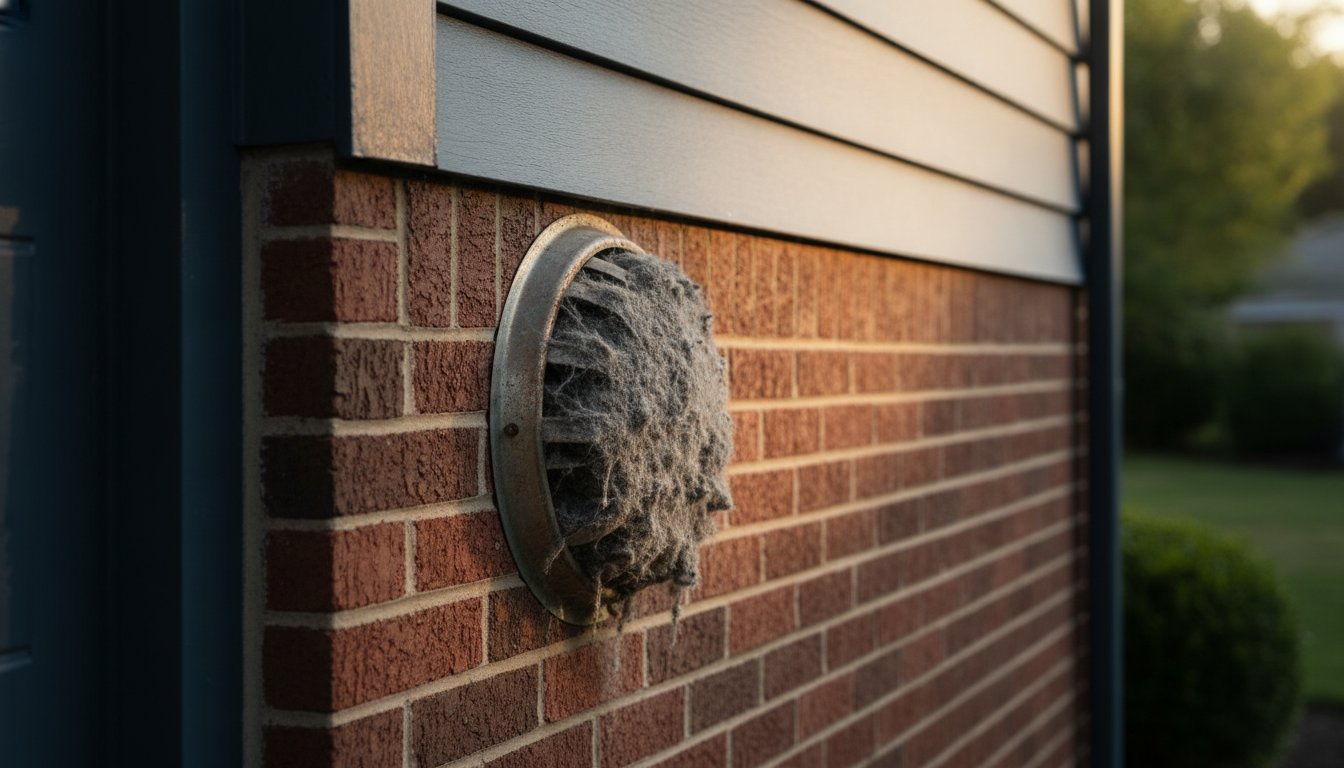
A weak breeze at the wall cap is a red flag. Inspect the exterior louvers for "lint beards" or matted debris. These blockages prevent the vent flaps from opening fully. If your vent exits through the roof, the risk increases. Roof caps are prone to heavy clogs that are impossible to see from the ground. Any restriction here causes the dryer to overheat, leading to a dryer taking two cycles to dry or a complete system shutdown.
Internal Dryer Components to Inspect
The thermal fuse is a critical safety component. It acts as a fail-safe that cuts power if the dryer overheats. If your dryer won't heat at all, this fuse may have blown. However, a blown fuse is rarely a random event. It is almost always a symptom of a larger problem. Specifically, lint buildup dryer vent issues are the leading cause of triggered thermal fuses. Replacing the fuse without cleaning the vent is a temporary fix that ignores a permanent fire hazard. You should also check the moisture sensor strips inside the drum. Waxy buildup from dryer sheets can coat these sensors, causing the machine to "think" the clothes are dry before the cycle is actually finished.
The Hidden Risks of Ignoring Long Drying Times
A dryer taking two cycles to dry is a loud warning. Ignoring it is a gamble. Most homeowners see long drying times as a minor appliance quirk. They are wrong. This delay signals a critical system failure that compromises your family's safety and your household finances. When your dryer struggles to exhaust air, it isn't just slow. It is dangerous.
The financial impact is immediate. Running double cycles for every load of laundry doubles your energy consumption. Utility costs are rising across the country. This inefficiency is a drain on your monthly budget. Additionally, the U.S. Department of Energy has finalized new efficiency standards for 2028. These will require dryers to be 40% more efficient. You don't have to wait for a new machine to save money. Restoring proper airflow today can lower your current utility bills significantly by returning your machine to its peak operating performance.
Machine longevity is also at stake. Dryers are designed for specific duty cycles. Forcing the motor, belt, and drum bearings to run twice as long as intended causes premature wear. You are effectively cutting the lifespan of your appliance in half. Replacing a high-end dryer costs significantly more than routine maintenance. Protect your investment by addressing the airflow problem before the motor burns out.
Dryer Vents as a Fire Catalyst
Lint is highly flammable. It is the perfect fuel for a fire. When a vent is clogged, heat cannot escape the machine. It backs up into the dryer cabinet. This creates a "stovetop" effect where internal components reach temperatures they were never designed to handle. Over 15,000 home fires are caused annually by dryer vents. These lead to approximately 20 deaths and 400 injuries. These fires result in more than $100 million in property damage every year. One spark from a glowing heating element can ignite matted lint in seconds.
Gas Dryer Dangers: Carbon Monoxide
Gas-powered dryers present an additional, invisible threat. They produce combustion byproducts like carbon monoxide (CO). A clear vent path sends these toxic gases outside. A blocked vent forces them back into your laundry room. This is why dryer vent cleaning NJ is a vital health precaution for families using gas appliances. Carbon monoxide is odorless and colorless. Watch for symptoms like unexplained headaches, dizziness, or nausea during laundry days. These are early warning signs of CO exposure. Professional cleaning ensures your exhaust system is airtight and venting properly to the outdoors.

Step-by-Step: How to Restore Your Dryer’s Efficiency
A dryer taking two cycles to dry requires immediate action. Do not ignore this warning. This step-by-step protocol will help you identify blockages and restore proper airflow. Start with the simplest checks. Work your way toward the exterior of your home. If these steps don't resolve the issue, the blockage is likely deep within your walls. Precision is key to safety.
- Step 1: Deep clean the lint screen housing. Use a long, flexible vacuum attachment to reach the "lint graveyard" below the screen.
- Step 2: Inspect the transition duct. This is the hose connecting your dryer to the wall. Ensure it isn't crushed or kinked.
- Step 3: Check the exterior vent hood. Ensure the flaps move freely and aren't obstructed by matted lint or nests.
- Step 4: Test the airflow. Run the dryer on a heat-free cycle and feel for a strong exhaust breeze at the exterior exit.
- Step 5: Call a professional for a mechanical cleaning if the airflow remains weak.
DIY Checks You Can Do Today
Start behind the machine. Many homeowners push their dryers too close to the wall. This crushes the transition hose. If you find a plastic "accordion" style hose, replace it immediately. These hoses are highly flammable and trap lint easily. Use semi-rigid metal ducting instead. It resists kinks and provides a smoother path for air. Vacuum the internal housing thoroughly. Standard vacuum attachments often miss the heavy accumulation at the base of the blower wheel. A clean screen isn't enough. You must clear the path leading to the exhaust pipe.
When DIY Isn’t Enough
Store-bought "drill-powered" cleaning kits have limits. They often break inside the vent. Worse, they can compact lint into a solid plug that completely stops airflow. If your vent run is longer than 10 feet or has multiple 90-degree turns, DIY tools will fail. Professional technicians use high-pressure compressed air and industrial-grade brushes to clear the entire line. Sometimes, the problem is structural. Internal pipes can disconnect or leak inside your walls. In these cases, dryer vent repair NJ is necessary to restore system integrity. Don't risk a fire with a half-finished cleaning. Schedule a dryer vent cleaning to ensure your home is protected and your dryer is taking two cycles to dry no longer.
Professional Dryer Vent Services in NJ and Philadelphia
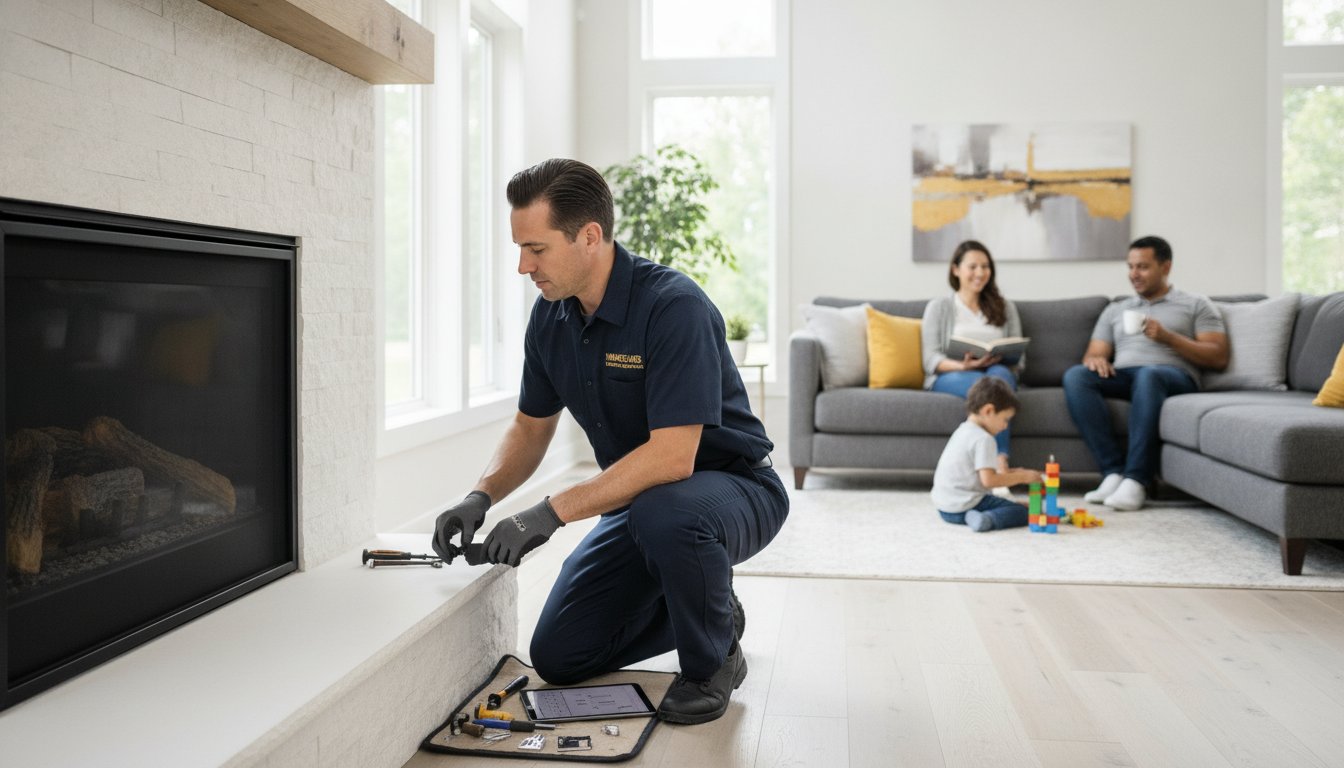
Solving the problem of a dryer taking two cycles to dry requires technical precision. It isn't a job for a generalist. Absolute Chimney Pros provides specialized dryer vent services across New Jersey and the Philadelphia metro area. Our technicians are CSIA-certified. We don't just clear lint. We restore your system's engineered performance. Reliability is our standard. We arrive on time, assess the risk, and execute the solution.
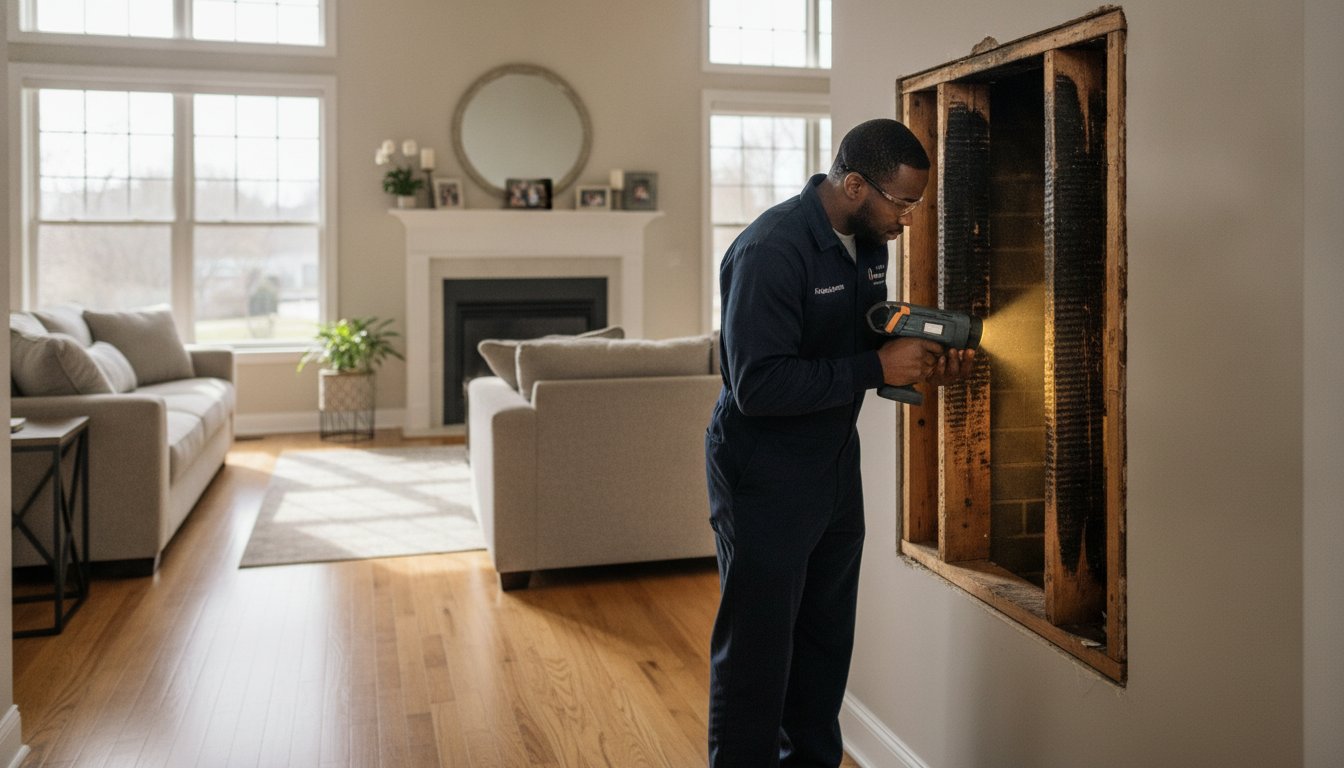
Our process is rooted in transparency. We utilize camera-assisted inspections to see exactly what's happening inside your walls. No guesswork is involved. We identify disconnected joints, wet lint clogs, and structural damage before we start. High-velocity cleaning tools then remove every ounce of debris from the entire line. We handle the complex vent runs common in local architecture, from basement laundry rooms to three-story roof exits. We offer flat-fee transparency. You'll know the scope of the work before we begin. There are no hidden costs. Just honest results.
Living in the NJ and Philly suburbs means dealing with specific environmental challenges. Bird nests in the spring and heavy humidity in the summer can accelerate vent clogs. A dryer taking two cycles to dry in these conditions is a signal that your exhaust path is compromised. Our team understands these local factors. We provide a protective partnership for homeowners who value safety and efficiency.
Why Certification Matters for Your Home
A handyman with a shop vac cannot reach the deep clogs in a 20-foot vent line. Specialized equipment is mandatory for home safety. CSIA-certified professionals undergo rigorous training in fire prevention and airflow dynamics. We are licensed and insured experts. We protect your home from the life-safety risks of fire and carbon monoxide. Our industrial-grade tools remove the matted, wet lint that standard vacuums leave behind. Precision matters when your family's well-being is on the line. We provide a detailed report of our findings so you have a clear record of your home's maintenance.
Book Your Safety Inspection Today
Don't let another laundry day turn into a weekend-long chore. We offer same-week appointments for frustrated homeowners. A single professional visit can cut your drying time in half. It lowers your utility bills immediately. It provides genuine peace of mind. Most importantly, it ensures your home is safe from the hidden fire hazards lurking in your walls. Take control of your home's efficiency. Schedule your professional dryer vent cleaning now to stop the cycle of inefficiency and start living with confidence.
Restore Your Home's Safety and Efficiency
Ignoring a dryer taking two cycles to dry is a risk you don't need to take. We have established that airflow is the lifeblood of your laundry system. Without it, heat becomes a hazard instead of a tool. Proper maintenance eliminates fire risks and slashes your utility costs immediately. You can reclaim your time and protect your family with one decisive action. Reliability starts with a clear exhaust path.
Don't wait for a warning light or a blown thermal fuse. Our CSIA-certified technicians provide camera-assisted vent inspections to identify blockages deep inside your walls. We offer same-week appointments across NJ and PA to ensure your home remains a safe environment. Efficiency is just one visit away. Professional oversight removes the guesswork and restores your appliance to peak performance.
Stop wasting energy and protect your home. Book your NJ/Philly Dryer Vent Cleaning today!
You deserve a home that runs smoothly and safely. Take the first step toward a more efficient laundry day today and enjoy the peace of mind that comes with a job well done.
Frequently Asked Questions
Is it normal for a dryer to take two cycles for heavy towels?
No; it is not normal. Modern dryers are engineered to dry a full load of heavy towels in a single cycle. If you consistently find your dryer taking two cycles to dry towels, your system has an airflow restriction. Towels hold significant moisture and require maximum exhaust efficiency to dry properly. A second cycle is a sign that the moist air is trapped in the drum instead of exiting your home.
How do I know if my dryer vent is clogged or the dryer is broken?
Perform a simple airflow test at the exterior vent cap. If the air exiting the house is warm but the breeze is weak, your vent is clogged. If the air is cold but moving with strong force, your dryer’s heating element is likely broken. A machine that heats up but fails to dry clothes is almost always a victim of a blocked exhaust path rather than a mechanical failure.
Can a clogged dryer vent cause a fire even if the dryer is off?
The risk is highest during operation, but a fire can occur shortly after a cycle ends. Lint is highly flammable and can smolder if it was ignited by an overheating element during use. A clogged vent allows lint to accumulate deep within the dryer cabinet near electrical components. This buildup creates a constant hazard that remains in your home until it is professionally removed.
How much does professional dryer vent cleaning cost in New Jersey?
Professional service costs depend on the length of your vent run and its accessibility. While some basic cleanings are straightforward, complex runs that exit through a roof or involve long distances through a crawlspace require more labor. This investment is a minor expense compared to the potential property damage and safety risks associated with the 15,000 dryer fires that occur every year.
What are the signs of a failing heating element vs. a blocked vent?
A blocked vent causes the dryer cabinet to feel dangerously hot while the clothes stay damp. This happens because the heat is working but the moisture cannot escape. A failing heating element results in a cold drum and clothes that stay soaking wet without any warmth. If your dryer is producing heat, the machine is usually fine; the ventilation is the culprit.
How often should I have my dryer vent professionally cleaned?
You should schedule a professional cleaning at least once every twelve months. Homes with large families or multiple pets may require service every six months due to higher lint production. Regular maintenance prevents the gradual accumulation that leads to your dryer taking two cycles to dry. It ensures your system operates at peak efficiency while keeping your household safe from fire hazards.
Can birds or animals cause my dryer to take two cycles to dry?
Yes; animals are a frequent cause of sudden blockages. Birds and small rodents often build nests in exterior vent openings because they provide warmth and shelter. These nests act as a solid plug that stops all airflow. In suburban NJ and Philadelphia areas, this is one of the most common reasons for a sudden and total loss of dryer efficiency.
Why does my laundry room get so humid when the dryer is running?
Excessive humidity indicates that your exhaust system is leaking or completely obstructed. Moisture-laden air must be sent outside to keep your home safe. If this air is filling your laundry room, your vent pipe may be disconnected or the back-pressure is forcing air out of the seals. This creates a breeding ground for mold and is a clear sign that your ventilation needs immediate repair.