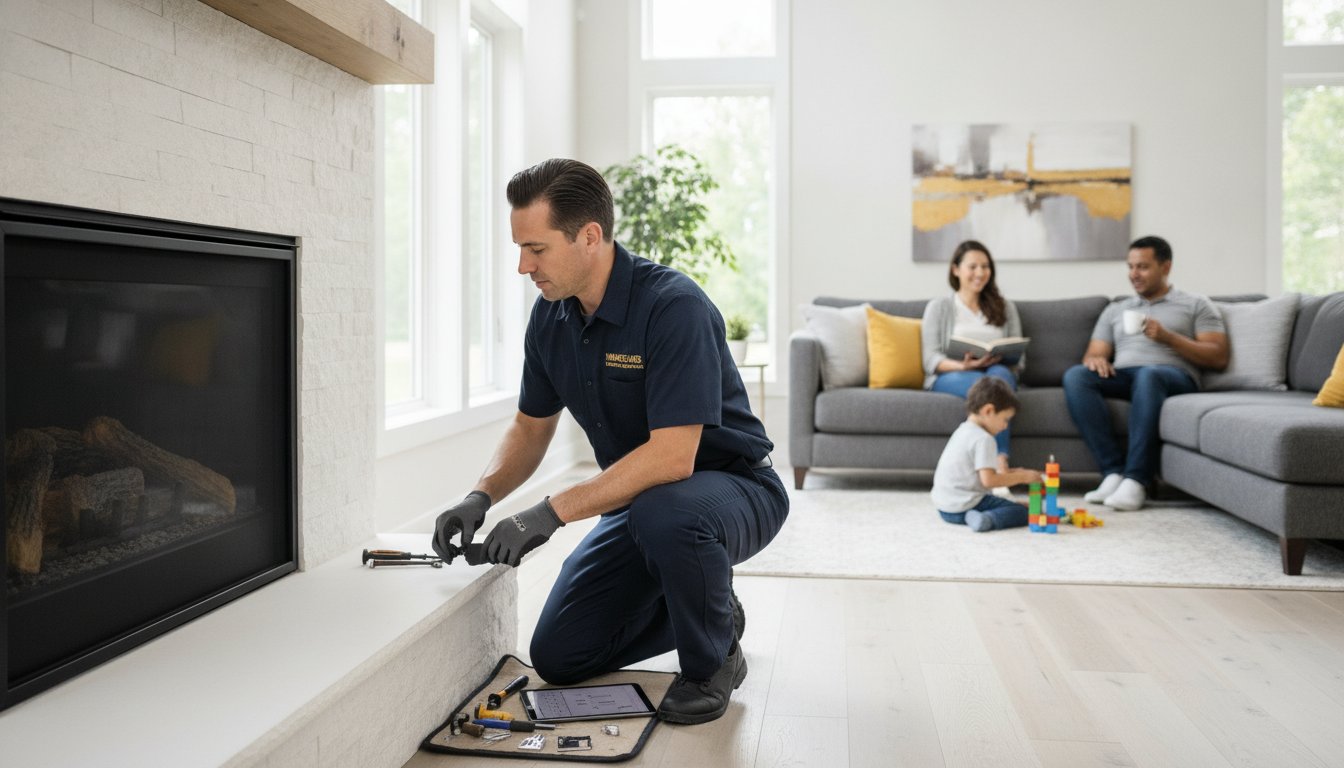
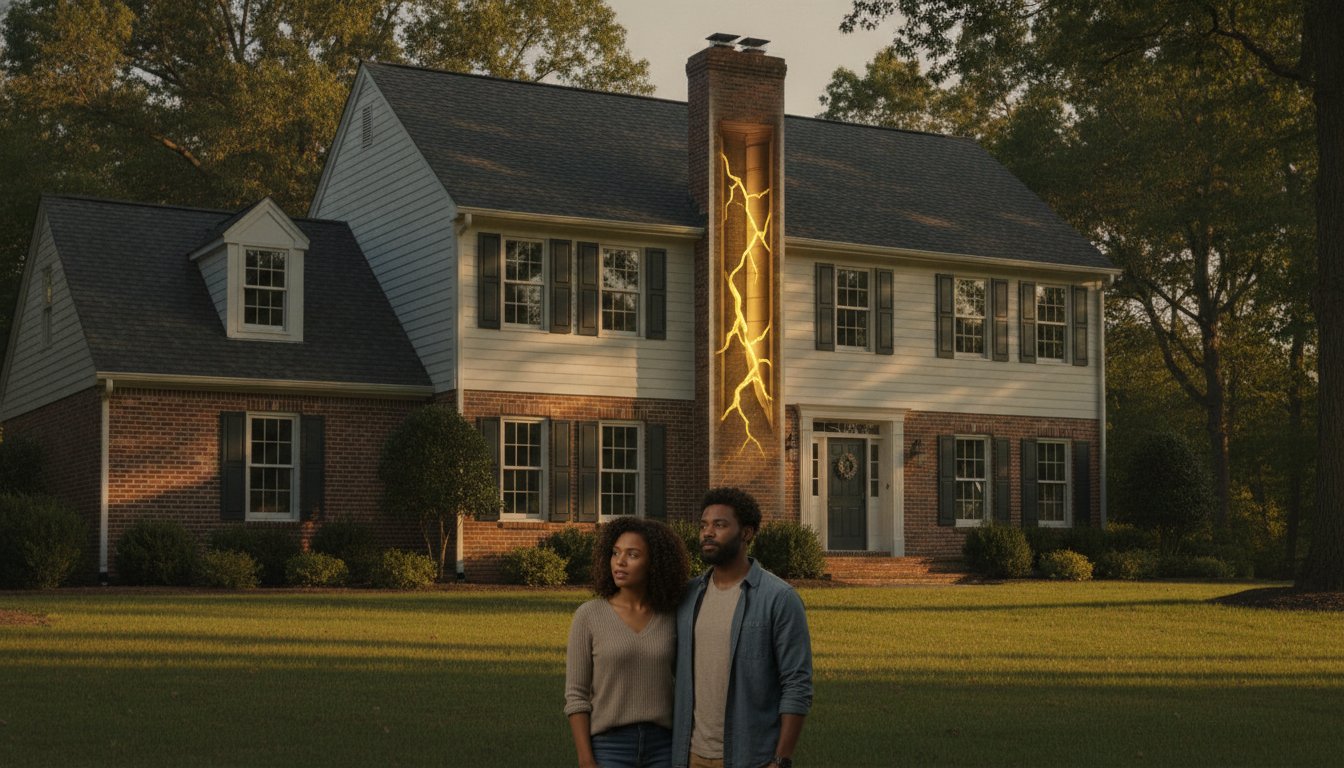
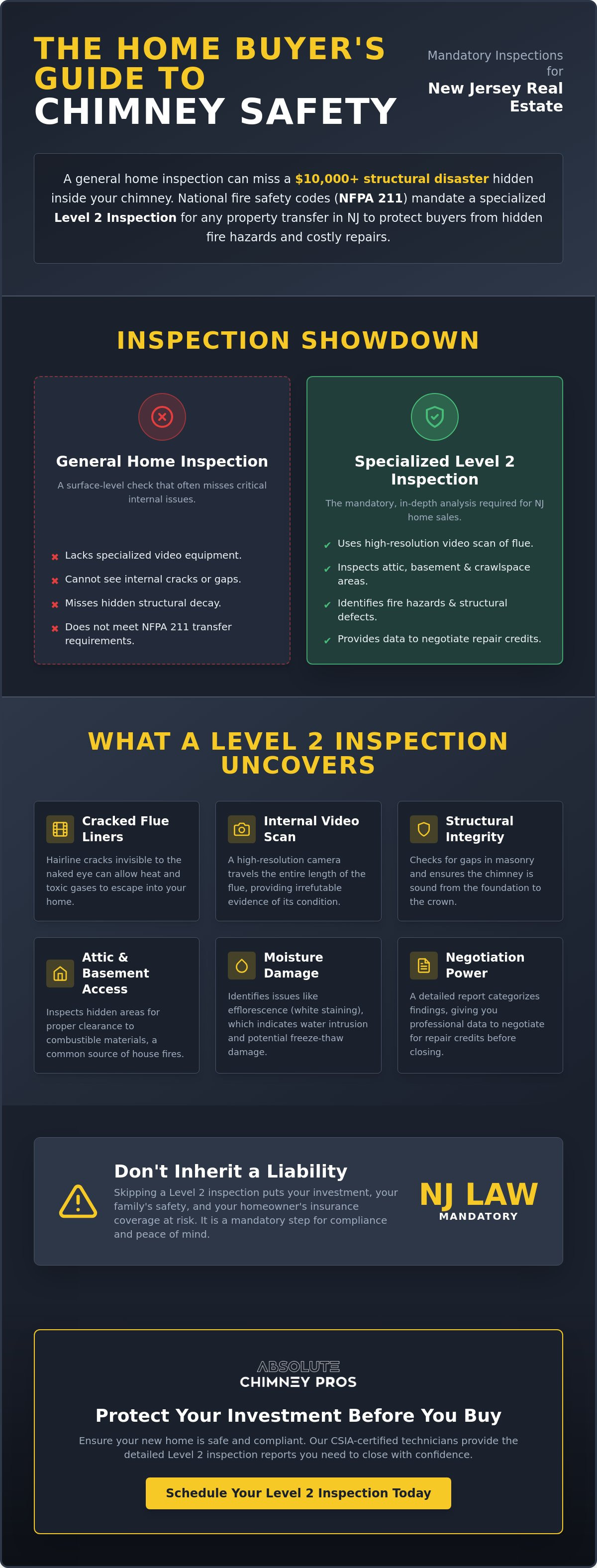
What if the general home inspection you just paid for is missing a $10,000 structural disaster hiding inside your fireplace? It happens more often than you think. Most home inspectors only perform a basic visual check. They lack the specialized video equipment required to see cracked liners or internal masonry gaps. New Jersey law requires an annual chimney inspection NJ for all homeowners. For buyers, the standards are even stricter. National fire safety codes mandate a Level 2 inspection during any property transfer.
You're already dealing with tight deadlines and the fear of hidden costs after closing. It's a stressful position. We understand the pressure. This guide explains why the NFPA 211 (2024 edition) standards make a professional chimney assessment critical for your safety and your wallet. You'll learn how to identify red flags before they become your financial burden. We provide the clarity you need to negotiate repair credits and ensure your new home is actually safe to occupy. Let's look at what's really happening behind those bricks.
Key Takeaways
- General home inspections are surface-level. Specialized video oversight identifies hidden structural hazards before they become your financial burden.
- A Level 2 inspection is mandatory for NJ real estate transfers. This NFPA 211 standard provides a deep-dive into attic and basement chimney components.
- Spot deal-breakers during your walkthrough. Look for white staining on exterior brickwork as a clear sign of moisture damage.
- Negotiate with professional data. Categorize findings into safety hazards versus maintenance recommendations to secure appropriate repair credits.
- Stay legally compliant. New Jersey law requires an annual chimney inspection NJ for all fireplace and venting systems.
Beyond the General Home Inspection: Why Specialized Chimney Oversight Matters
A general home inspection is a standard part of the NJ home-buying process. It provides a broad overview of the property's condition. However, a generalist's report often falls short when it comes to high-heat venting systems. These inspectors check the roof and the firebox. They don't look inside the walls. New Jersey law mandates an annual chimney inspection NJ to ensure ongoing safety and compliance. Relying on a surface-level glance during a tight closing window is a gamble. You shouldn't take it. High-heat systems require technical depth that a generalist simply cannot provide.
The Limitations of a Standard Home Inspection
General home inspectors are jack-of-all-trades. They check plumbing, electrical, and HVAC systems. They are not chimney experts. Most lack the high-resolution cameras required for internal flue scans. Without video equipment, it is impossible to see hairline cracks in the masonry or gaps in the tile liner. These defects are invisible to the naked eye but pose a severe fire risk. A Chimney is a complex structure designed to exhaust toxic gases and extreme heat safely. If the internal passage is compromised, your home is at risk. Specialized CSIA certification is the industry gold standard. Most general inspectors do not hold this credential. They miss subtle signs of creosote buildup. They miss structural decay hidden deep within the stack. Precision is required. No guesswork allowed.
The High Cost of Post-Closing Discoveries
Buying a home is a major investment. You must protect your bank account from hidden liabilities. Discovering a cracked flue liner after you move in can cost thousands of dollars in unexpected repairs. This is a common financial surprise for NJ buyers who skip a specialized check. Structural masonry issues often hide behind drywall or inside the attic space. These problems do not show up on a standard walk-through. Scheduling an annual chimney inspection NJ ensures that your venting system remains compliant with state safety standards and insurance requirements. You need to know: Is my chimney safe to use? If the answer is no, the seller should address the cost. Don't inherit a fire hazard. Secure a detailed report to use during your negotiations. Vigilance saves lives and money.
The Level 2 Inspection: A Requirement for NJ Real Estate Transfers
While an annual chimney inspection NJ is the baseline for current homeowners, buyers require a deeper level of scrutiny. A Level 2 inspection is a comprehensive safety review. It isn't optional for property transfers. The NFPA 211 standard mandates this depth whenever a home changes hands. This process verifies that the system is fit for use before you sign the final closing papers. It provides the technical certainty that a standard visual check simply cannot match.
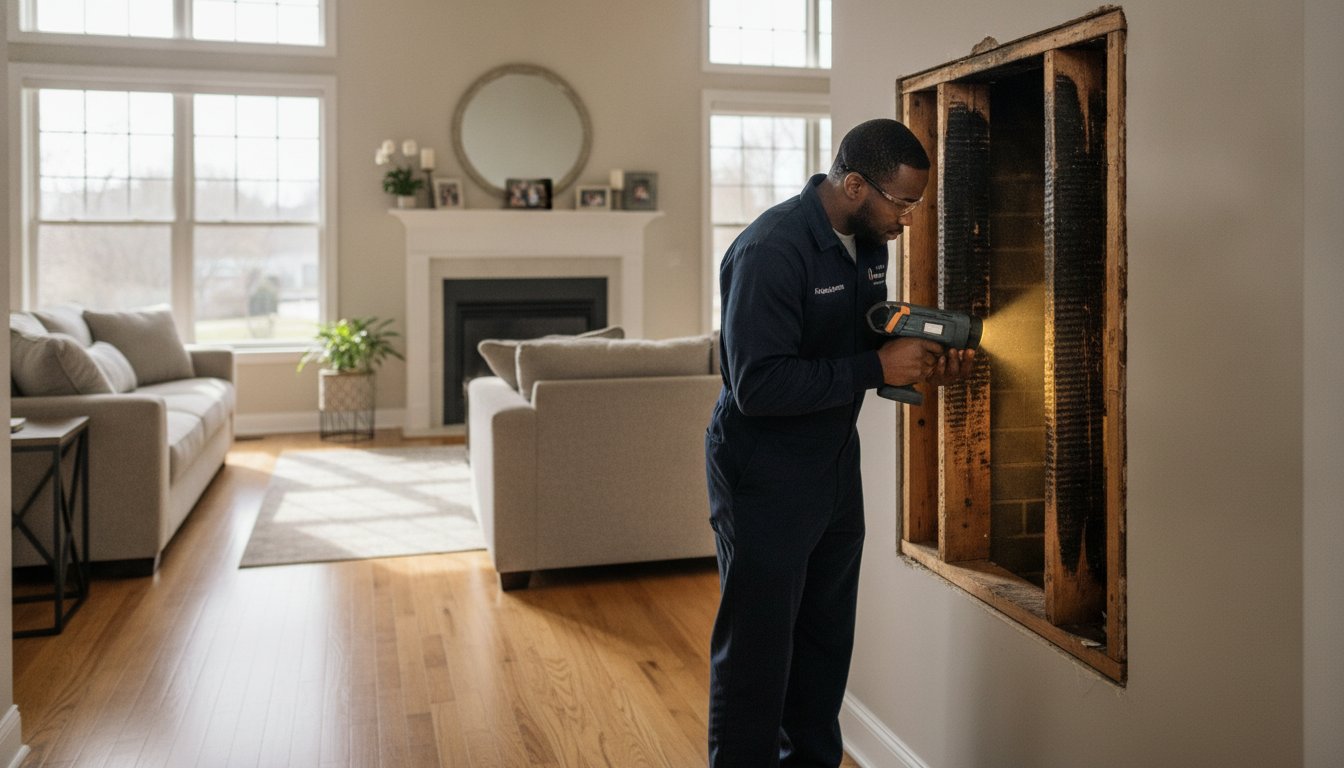
Level 2 inspections go where Level 1 cannot. We don't just look at the firebox or the roofline. We access the attic to check for proper clearances to combustibles. We check the crawlspace for structural integrity. We examine the basement connections. In New Jersey, where many homes feature aged masonry, these hidden areas are often where the most significant hazards reside. Every reachable component of the venting system is scrutinized for compliance. This thoroughness ensures that hidden structural joints are intact and safe for your family.
NFPA 211: The National Standard for Chimney Safety
The Chimney Safety Institute of America (CSIA) upholds the NFPA 211 code as the definitive authority on fire safety. This code is the national fire protection standard followed by every certified professional. Specifically, Level 2 is the required protocol for any real estate transaction or property transfer. Skipping this standard is a significant liability. It puts your homeowners insurance coverage at risk. Many NJ policies require proof of a professional inspection to maintain active coverage. If you're preparing for a closing, scheduling a professional Level 2 chimney inspection is the most effective way to secure your investment and ensure long-term safety.
The Role of Video Scanning in Flue Safety
Technology is the hallmark of a Level 2 assessment. We use high-resolution video scanning equipment to inspect the entire flue interior from top to bottom. This is non-negotiable. Cameras identify gaps in mortar joints that are invisible from the hearth. They detect the early stages of chimney fire damage left behind by previous owners. The resulting report includes clear imagery and a detailed summary of any deficiencies. It provides undeniable proof of the chimney’s condition. This documentation is your best tool for negotiating repairs. It moves the conversation from opinion to fact. In the high-stakes world of NJ real estate, guesswork is dangerous. Precision is the only way to ensure your new home is truly safe.
Spotting Critical Chimney Defects Before You Make an Offer
You don't need a high-resolution camera to start your assessment. Use your senses during the initial walkthrough to spot potential deal-breakers. A home might look perfect on the surface, but the chimney often tells a different story. These early warning signs help you decide if a property is worth the investment before you commit to the final annual chimney inspection NJ. Vigilance starts at the front door. Don't ignore what your eyes and nose are telling you.
Start with the exterior brickwork. Look for white, powdery staining known as efflorescence. These are salt deposits left behind by evaporating water. It is a clear sign that moisture is moving through the masonry. This isn't just a cosmetic issue. It indicates internal dampness that can rot the structure from the inside out. Next, look inside the firebox. Check for "shaling." If you see thin, ceramic-like slices of flue tile on the floor, the liner is deteriorating. This is a major defect. It means the chimney's primary defense against heat and gas is failing.
Don't ignore your sense of smell. An acrid, campfire-like odor is a significant red flag. In the summer, humidity reacts with creosote to create this distinct scent. It suggests a heavy soot buildup or poor ventilation. Moisture and creosote together create a corrosive environment. It is a safety hazard that requires professional resolution before the system is ever used again.
Interior Red Flags: The Firebox and Hearth
Firebricks must be solid and intact. Cracked firebricks are a sign of excessive heat or structural settling. They allow heat to transfer to the home's framing. Check the damper. It should open and close with minimal effort. A damper that won’t close fully indicates warping or debris blockages. Professional chimney sweep NJ services can clear these obstructions to reveal the true condition of the masonry. If the damper is stuck, the system is inefficient and potentially dangerous.
Exterior Red Flags: Masonry and the Roofline
Crumbling mortar, or spalling, is a serious defect. It occurs when water enters the brick and undergoes a freeze-thaw cycle. This destroys the structural integrity of the stack. Look at the top of the chimney. If the cap is missing, rain and animals have direct access to the flue. This leads to rapid internal decay. Finally, look for a lean. A leaning chimney is a structural emergency. It indicates foundation failure. This requires an immediate professional assessment before you move forward with any offer.
How to Use Your Chimney Inspection Report to Negotiate Fairly
Once the inspection is complete, you hold the power of verified data. A professional report is a factual document. It is not a list of opinions. In New Jersey's competitive real estate market, this document carries significant weight during attorney review or the inspection contingency period. Use it to protect your investment. This process goes beyond the standard annual chimney inspection NJ requirements. It provides a technical roadmap for your financial protection. You aren't just asking for a discount. You are identifying documented liabilities.
Never accept an "as-is" clause for a chimney with significant flue tile cracks or structural decay. These are not minor cosmetic flaws. They are structural failures. If the video scan identifies a compromised liner, you are facing a major safety liability and a high-cost repair. Present the repair estimates clearly. Use these figures to request specific seller credits or a direct reduction in the purchase price. In many cases, sellers prefer providing a credit over managing the repairs themselves. This gives you control over the quality of the eventual work.
Safety Hazards vs. Maintenance
Not every finding requires an immediate credit. You must categorize findings accurately to maintain credibility. Safety hazards are non-negotiable. These must be addressed before the home is occupied. This includes carbon monoxide leak risks, improper clearances to wood framing, or severe internal blockages. These are life-safety issues that most lenders and insurance companies care about. Maintenance recommendations are different. Minor repointing of exterior brick or crown sealing can often be handled after you move in. Differentiate between a system that "needs cleaning" and one that "needs structural repair." A dirty chimney is a simple maintenance task. A cracked flue is a safety crisis.
Requesting Credits for Chimney Repairs
Present the CSIA-certified report to the seller’s agent as a non-negotiable safety item. Be direct and transparent. Request that all repairs be completed by a licensed chimney professional. Do not allow a general handyman to perform masonry or liner work. Chimney systems are specialized high-heat environments. They require technical precision. A generalist often lacks the tools or knowledge to fix a flue properly. Finally, ensure all agreed-upon repairs are re-inspected before your final walkthrough. You need documented proof that the hazards have been resolved. If you need a detailed report to secure your negotiation, schedule a professional chimney inspection to get the facts you need.
Professional Chimney Inspections in NJ: Protect Your Family
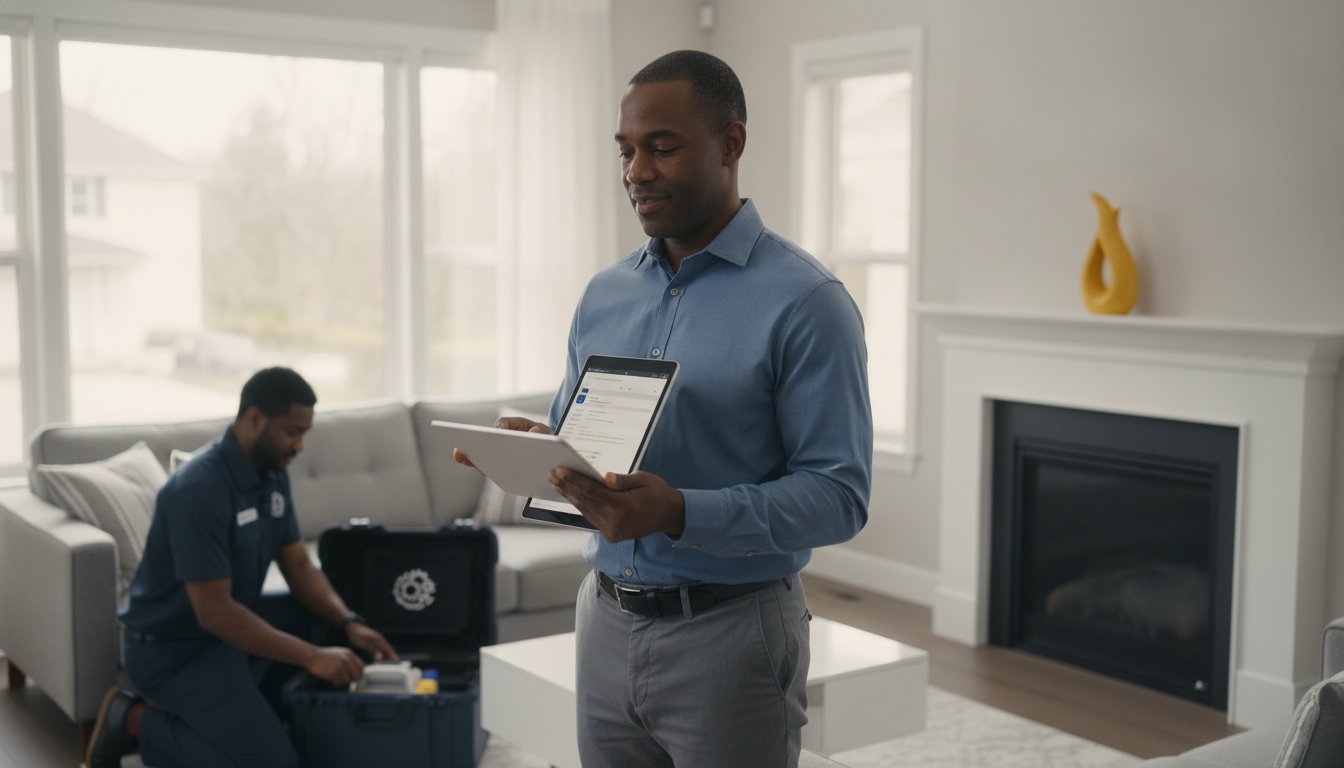
Absolute Chimney Pros provides the detailed oversight NJ buyers need to close with confidence. We don't just look at your fireplace; we investigate the entire venting system. Our CSIA-certified technicians specialize in the Level 2 assessments required for New Jersey real estate transfers. We offer flat-fee inspections with no hidden costs and no surprises. We understand the high-stakes environment of a home sale. Your closing deadline is our priority. That's why we offer same-week appointments to keep your transaction moving forward without delay. Maintaining an annual chimney inspection NJ is a legal requirement, but getting it right during the purchase phase is a financial necessity.
Every inspection we perform results in a transparent, digital report. We don't leave you waiting for answers. We provide on-site estimates for any necessary Chimney Repair or Chimney Liner Installation immediately. This allows you to return to the negotiating table with hard facts and professional data. You need a partner who values punctuality and technical mastery. We act as your protective guide through the complexities of chimney safety. Our goal is to ensure your new home is a safe environment for your family from day one.
The Absolute Chimney Pros Advantage
We are licensed and insured experts serving the entire New Jersey region and the Philadelphia area. Our team utilizes specialized high-resolution camera equipment for every Level 2 scan to ensure total transparency. There is no guesswork in our process. We find the internal masonry gaps and flue cracks that general home inspectors often miss. A professional chimney inspection New Jersey is the most critical step in your home-buying due diligence. We blend old-world craftsmanship with modern efficiency to provide a service you can trust. Our technicians are disciplined experts who take responsibility for the well-being of your home’s environment.
Schedule Your Pre-Purchase Inspection Today
Don’t let a hidden chimney defect derail your home purchase or endanger your family’s safety. A compromised flue is a silent threat that requires a professional resolution. An annual chimney inspection NJ ensures long-term compliance, but your pre-purchase check is your only chance to hold the seller accountable for existing damage. Contact us for a professional assessment before your due diligence period ends. We provide the clarity and documentation you need to protect your bank account and your peace of mind. Schedule your flat-fee inspection now and secure your investment with the help of NJ’s leading chimney experts. We show up, we assess, and we provide the truth.
Secure Your NJ Home Purchase with Professional Clarity
Buying a home is a significant commitment. You shouldn't leave the structural integrity of your venting system to chance. A specialized Level 2 inspection reveals the hidden hazards that general inspectors overlook. By identifying these defects before you close, you gain the leverage needed to negotiate fair repair credits. Remember that NJ law requires an annual chimney inspection NJ to maintain safety and compliance. This isn't just about meeting a mandate; it's about protecting your family from fire risks and carbon monoxide exposure.
Our CSIA-certified technicians provide the precision you need during this critical window. We offer same-week appointments and detailed video reports for every Level 2 assessment. This documentation moves your real estate negotiation from guesswork to verified facts. Don't let a hidden crack become a major liability after you move in. Protect your investment—schedule your flat-fee chimney inspection today. You deserve the peace of mind that comes from professional oversight. Move into your new home with total confidence and safety.
Frequently Asked Questions
Is a Level 2 chimney inspection required by law in New Jersey?
Yes; technically, the NFPA 211 standard requires a Level 2 inspection for all property transfers and home sales. New Jersey state law also mandates an annual chimney inspection NJ for all homeowners to ensure ongoing fire safety. Following these standards is the only way to verify that a venting system meets current building codes and insurance requirements.
How much does a chimney inspection cost for a homebuyer in NJ?
Costs for a chimney inspection vary depending on the level of detail required and the number of flues in the home. A Level 2 inspection involves specialized video scanning equipment and access to hidden areas like the attic and crawlspace. This technical depth makes it more comprehensive than a basic visual check. You should request a flat-fee quote from a certified professional to avoid hidden costs during your closing period.
What is the difference between a Level 1 and a Level 2 inspection?
A Level 1 inspection is a basic visual check of the readily accessible portions of the chimney. It does not include internal scans. A Level 2 inspection is the industry standard for real estate transactions. It includes a high-resolution video scan of the internal flue liner and a thorough examination of the chimney's structure in the basement and attic. This level of detail is necessary to identify hidden cracks and fire hazards.
Can I use my fireplace before getting it inspected in a new home?
No; you should never light a fire in a newly purchased home until a certified technician verifies the system's integrity. Hidden defects like cracked flue tiles or heavy creosote deposits are invisible from the hearth. Lighting a fire in a compromised chimney can lead to immediate house fires or carbon monoxide poisoning. Professional oversight provides the technical certainty you need to protect your family.
How long does a professional chimney inspection take during a home purchase?
A standard Level 2 inspection typically takes between 60 and 90 minutes to complete. This timeframe allows the technician to set up video equipment, scan the entire interior flue, and inspect the exterior masonry and roofline. If the home has multiple fireplaces or complex venting systems, the process may take longer. We prioritize efficiency to help you meet your tight closing deadlines.
What happens if the chimney fails the inspection during the buying process?
If an inspection reveals a failure, you should use the detailed report as a negotiation tool. The report provides documented, factual proof of safety hazards or structural defects. You can request that the seller performs the repairs before closing or provides a financial credit so you can hire your own certified expert. Never accept a "failed" chimney as-is without understanding the full cost of the necessary repairs.
Is an inspection necessary for a gas fireplace in NJ?
Yes; gas fireplaces require regular professional oversight to ensure they are venting toxic gases correctly. New Jersey's requirement for an annual chimney inspection NJ applies to all fuel-burning appliances, including gas and oil systems. A specialized check identifies blocked vents, gas line leaks, and improper clearances that could lead to carbon monoxide buildup inside your new home.
Should the buyer or the seller pay for the chimney inspection?
The responsibility for payment is a point of negotiation in your real estate contract. In many New Jersey transactions, the buyer pays for the inspection as part of their due diligence period. This ensures the buyer owns the report and has an unbiased assessment of the home’s safety. However, the seller is typically responsible for addressing any significant safety hazards or structural defects identified in the final report.