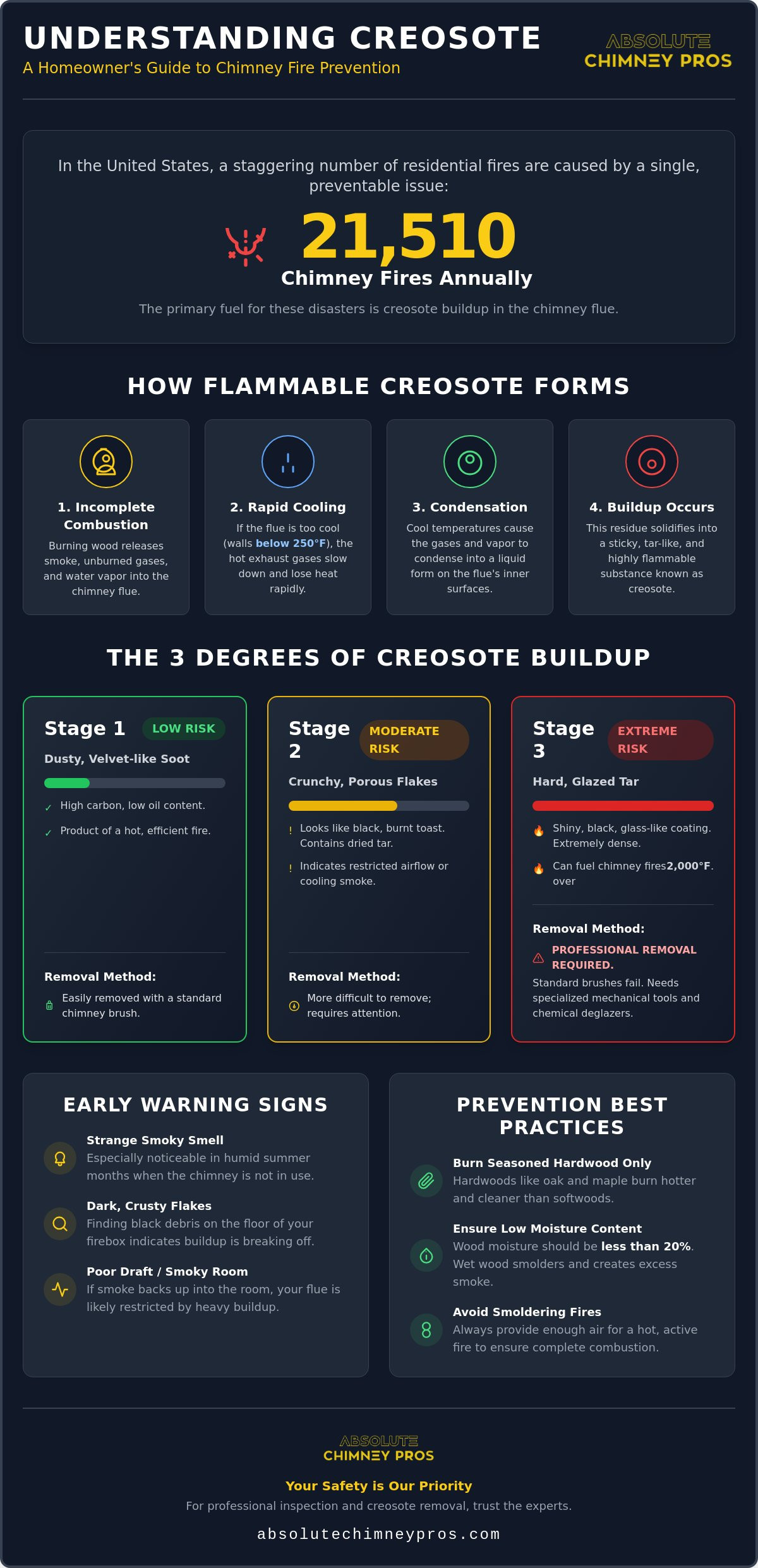
Did you know that over 21,510 residential chimney fires occur in the United States every year? Most of these disasters start with a single, avoidable problem: creosote buildup chimney. It's the silent, sticky byproduct of every fire you light. You might notice a strange, smoky smell in the summer or see dark, crusty flakes on the floor of your firebox. These aren't just minor nuisances. They are early warning signs of a high-risk fire hazard. Don't ignore them.
You want to enjoy your fireplace without worrying about what’s happening inside the flue. It’s frustrating when you aren't sure if a simple brush can fix the problem or if you're facing a dangerous level of glazed buildup. This guide simplifies the confusion. We'll help you identify the three distinct stages of creosote and provide the specific steps required to eliminate them. You’ll learn exactly when it's time to call a professional and how to prevent future accumulation for total peace of mind.
Key Takeaways
- Learn why smoke cooling in your flue creates flammable deposits. Rapid cooling turns harmless gases into a dangerous fuel source for chimney fires.
- Identify the three distinct degrees of creosote buildup chimney. Each stage represents a higher level of density and fire risk for your household.
- Prevent future accumulation by burning only seasoned hardwood with less than 20% moisture. Avoid smoldering fires to keep your flue temperatures safe and clean.
- Understand why Stage 3 glazed creosote requires professional intervention. Standard brushes fail against this hardened hazard, necessitating specialized equipment and chemical deglazers.
What is Creosote Buildup and Why Does It Form in Your Chimney?
Creosote isn't just soot. It is a highly flammable, carbonaceous chemical byproduct of wood combustion. To understand What is Creosote, you must look at what happens when wood doesn't burn completely. It is a combustible byproduct of incomplete combustion. Every time you light a fire, this material begins to deposit itself on your flue walls. A heavy creosote buildup chimney is a ticking time bomb. It waits for a single spark to ignite. This residue is the primary fuel for chimney fires. It is persistent. It is dangerous. It requires your immediate vigilance.
The transformation happens in the shadows of your flue. When you burn wood, it releases a complex mixture of smoke, water vapor, and gases. Ideally, these exit the chimney quickly while they are still hot. However, if these gases cool too fast, they reach their dew point inside the stack. This condensation process turns vapors into a sticky, tar-like residue. It clings to the masonry or metal liner. It hardens. It layers. It grows thicker with every fire you enjoy. This isn't just a cleaning issue; it's a structural hazard.
The Science of Condensation and Flue Temperature
Temperature is the primary safety threshold for your home. If your flue walls stay below 250°F, creosote solidifies almost instantly. Cool surfaces act like a magnet for smoke particles. This is often a structural issue. Oversized flues are a common culprit. They allow smoke to expand and slow down. Slow smoke loses heat. It stalls. It dumps creosote. Even modern, high-efficiency stoves can be problematic. These units extract massive amounts of heat for your living space. The remaining exhaust is often too cool to exit the chimney before condensing. Precision venting is the only solution to this thermal imbalance.
The Mid-Atlantic Humidity Factor
Local geography plays a hidden role in your home's safety. In New Jersey and Philadelphia, high humidity levels directly impact fireplace performance. Damp air makes it difficult to keep wood dry. Even seasoned wood absorbs moisture from the heavy Mid-Atlantic air. Wet wood burns cooler. It creates massive amounts of smoke. Humid air is also physically heavier. It slows the natural draft. Smoke stays in the flue longer. This increases the window for condensation. Seasonal temperature swings in the Northeast create rapid condensation cycles. Cold nights and humid days are the perfect recipe for a rapid creosote buildup chimney. You can't control the weather, but you must control the accumulation. Professional oversight is the only way to ensure your system remains clear.
The Three Degrees of Creosote: Identifying the Severity of Your Flue Hazard
Creosote doesn't just appear; it evolves. It changes physical and chemical properties based on temperature, airflow, and the type of wood you burn. This evolution happens in three distinct stages. Each stage represents a higher level of fuel density and an increased risk of a catastrophic house fire. A U.S. Consumer Product Safety Commission warning highlights that this accumulation is a leading cause of home heating fires. Identifying the specific stage of creosote buildup chimney is the only way to determine if you need a standard sweep or intensive chemical treatment.
Stage 3 creosote is essentially solid fuel attached to your chimney walls. It is the most dangerous form of accumulation. It acts as an accelerant for chimney fires that can reach temperatures over 2,000°F. Understanding the difference between these stages is a matter of home safety.
Stage 1 and 2: Soot and Crunchy Flakes
- Stage 1: This is dusty, velvet-like soot. It is high in carbon and low in oil. It is the easiest to manage. A standard chimney brush clears it away with minimal effort. It is the byproduct of a hot, efficient fire.
- Stage 2: This stage looks like puffed-up, crunchy flakes. Think of burnt toast. These flakes contain dried tar and are more difficult to remove than soot.
Stage 2 indicates a restriction in airflow. It means your chimney isn't drafting correctly. Smoke is staying in the flue too long and cooling down. This stage requires immediate attention. If left alone, these crunchy flakes will eventually compress into a solid, glazed mass. If you notice these flakes falling into your firebox, schedule a chimney inspection to catch the problem before it transitions to the final, deadly stage.
Stage 3: The Deadly Glazed Creosote
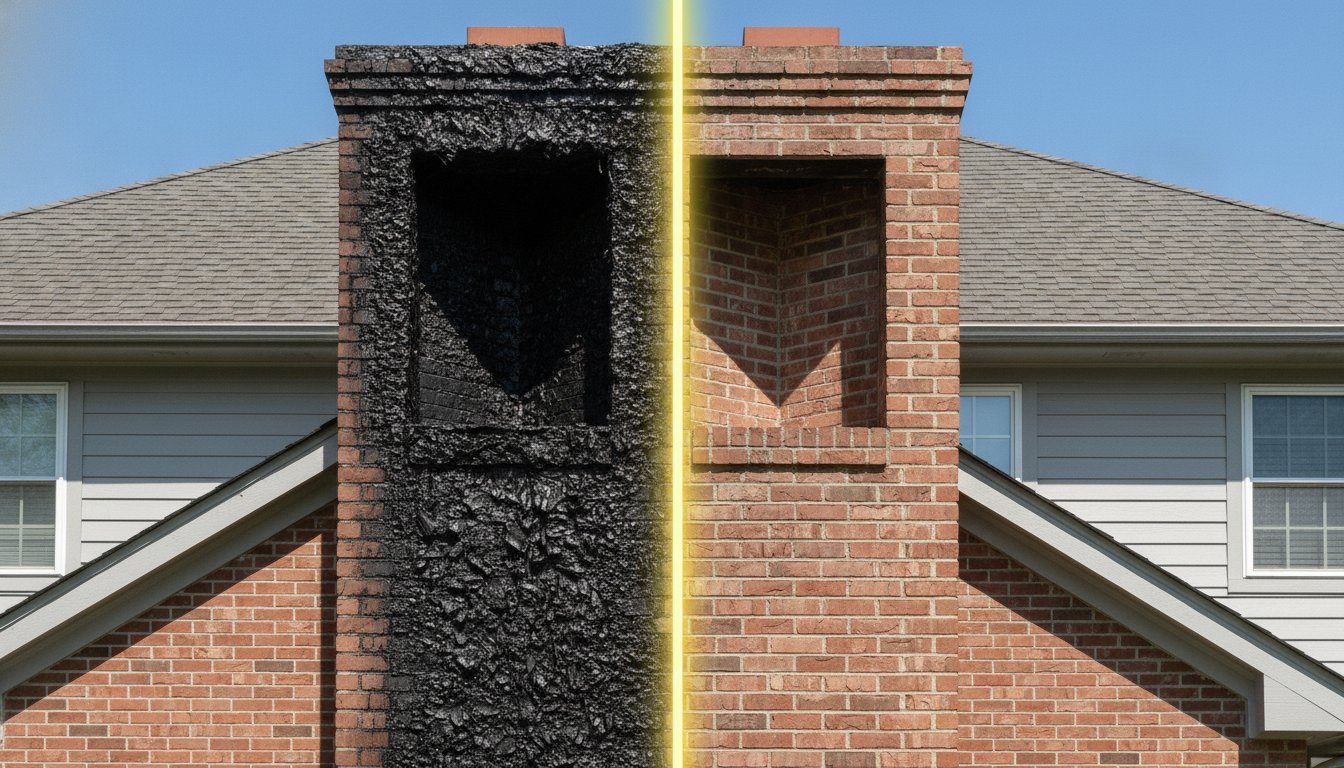
Stage 3 is the terminal phase of chimney neglect. It appears as a shiny, hard, black glass-like coating on the liner. It is extremely dense. This is the primary cause of explosive chimney fires. Because it is so thick, it is nearly impossible to ignite with a match, but once a chimney fire starts, Stage 3 creosote burns like liquid gasoline.
The "re-burning" risk is a unique hazard of this stage. Intense heat from a fire can cause the glazed creosote to melt. It drips down the flue like hot lava. This can spread the fire into the smoke shelf or directly back into the firebox. Standard brushes cannot remove this. They simply slide over the glassy surface without making a dent. Removal requires specialized rotary tools and chemical deglazers to break the bond between the fuel and the chimney wall.
Warning Signs: How to Spot Creosote Accumulation Before a Fire Starts
Identifying creosote buildup chimney doesn't always require a ladder. You can often spot the danger from your hearth. Look for a dark, oily crust around the damper. Watch for black, crunchy flakes falling into the firebox. These are physical indicators of a system under stress. If your living room smells like a campfire on a rainy Tuesday in July, your chimney is speaking to you. This "summer campfire" odor occurs because creosote is hygroscopic. It absorbs moisture from the air. High humidity levels in the Mid-Atlantic react with these carbon deposits. The result is a pungent, acrid stench that drifts into your home. It's a clear signal that your flue is saturated with combustible waste.
For a complete overview of what to look for, review our Signs of Creosote Buildup checklist. Beyond the smell, pay attention to the draft. If smoke backs up into the room when you open the fireplace door, your flue is restricted. This isn't just a nuisance. It's a dangerous blockage. Smoke should move vertically and quickly. Any hesitation in the draft means the internal diameter of your chimney has narrowed due to accumulation.
Visual Inspection Tips for Homeowners
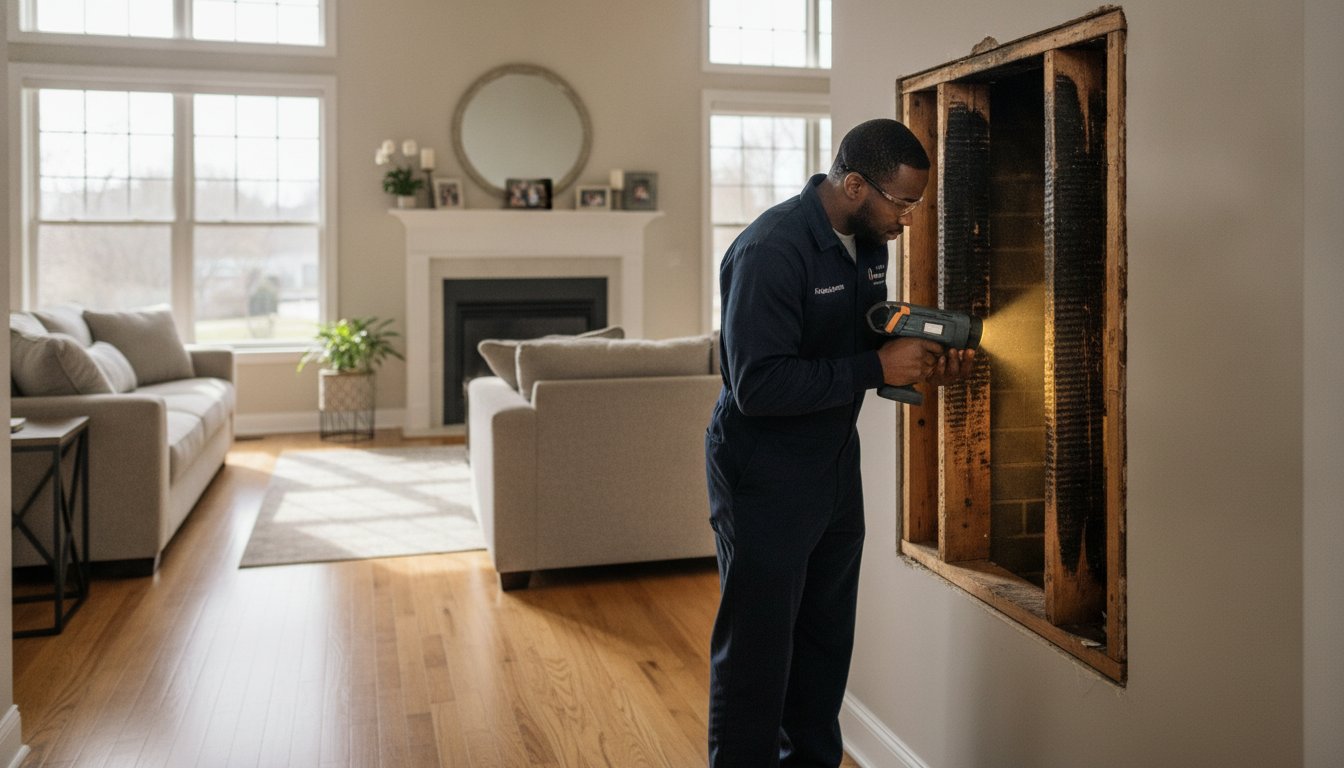
Grab a high-powered flashlight. Open the damper. Shine the light upward toward the smoke shelf. This flat ledge behind the damper is where debris often collects. Look for "puffed" residue that resembles expanded foam or charred marshmallows. If you see a "honeycombed" texture, be alert. This is a sign that a small, localized chimney fire has already occurred. The intense heat has partially consumed the creosote, leaving behind a brittle, hollow structure. Stop using the fireplace immediately. A honeycombed flue is structurally compromised and highly unstable.
Olfactory and Auditory Warnings
Listen to your walls. An active fire doesn't always roar immediately. Sometimes it crackles or pops rhythmically inside the masonry. This indicates that the creosote buildup chimney has ignited and is beginning to expand. If the sound shifts to a deep, vibrating roar like a freight train or a low-flying jet, you are experiencing a full-scale chimney fire. This is an emergency. The smell of burning tar is also a major red flag. It is sharp, chemical, and oily. It differs significantly from the pleasant aroma of burning wood. Trust your senses. If the smell or sound feels wrong, it is. Professional intervention is the only safe path forward.
Preventing Creosote: Best Practices for Burning Wood Safely in 2026
Prevention starts at the woodpile. You are the primary guardian of your home's safety. The most effective way to stop a creosote buildup chimney is to control the fuel you use. Wood is not just wood. It is a chemical energy source. If that fuel contains too much water, it cannot burn hot. Instead, it smolders. Smoldering creates thick, cool smoke. This smoke is the raw material for creosote. Only burn seasoned hardwood. Your target moisture level is less than 20%. Any higher and you're essentially boiling water in your fireplace. It wastes energy. It creates hazards. It ruins your flue.
Never treat your fireplace like a trash can. Burning cardboard, wrapping paper, or household trash is reckless. These materials ignite quickly and can carry flaming embers up the flue. They also release corrosive chemicals. Treated lumber is even worse. It contains copper, arsenic, or other toxins. These chemicals don't just pollute the air; they create a unique, toxic residue that bonds to your liner. Stick to natural, seasoned wood. For more details on maintaining a safe schedule, read our guide on How Often Should a Chimney Be Cleaned?
Wood Selection and Storage in the NJ/PA Region
Homeowners in New Jersey and Pennsylvania have access to excellent fuel sources. Oak, Maple, and Hickory are the local gold standards for heat output. They are dense. They burn long. However, they take time to season. Oak can take up to two years to reach the 20% moisture threshold. Use a moisture meter. It's a small, inexpensive tool that provides exact data. Split a piece of wood and test the center. If it reads over 20%, it stays in the pile. Stack your wood off the ground on pallets. Cover the top to shed rain, but keep the sides open. Airflow is the only way to ensure proper seasoning.
Operational Habits for a Cleaner Flue
How you manage the fire matters as much as the wood itself. Practice "hot burning" for at least 30 minutes every day. This intense heat helps bake off light, Stage 1 soot before it can layer. It keeps the flue walls warm. Warm walls prevent condensation. Never close the damper too early in the evening. Restricting oxygen to a dying fire creates a low-temperature, smoky environment. This is the peak time for creosote formation. Ensure your chimney has a high-quality cap. It prevents rain from entering the system. Moisture inside the chimney accelerates the expansion of existing creosote buildup chimney. It makes a dangerous situation worse.
If you haven't had your system checked this season, don't wait for a smell or a smoke problem. It's time to take control. Schedule a professional chimney sweep today to ensure your home is protected from hidden fire hazards.
Professional Creosote Removal: Why DIY Cleaning Fails for Glazed Buildup
Standard chimney brushes are useless against Stage 3 glazed creosote. They simply slide over the glassy surface without making a dent. You cannot scrub away a fuel source that has chemically bonded to your flue walls. If you attempt to scrape it aggressively with DIY tools, you risk catastrophic damage. Many homeowners accidentally crack brittle clay flue tiles during these attempts. Others tear or dent expensive stainless steel liners. This creates new, hidden paths for fire to reach your home's wooden framework. Professional intervention is the only safe way to resolve a severe creosote buildup chimney without compromising your structure.
Absolute Chimney Pros doesn't guess about your safety. We use camera-assisted inspections to see what a standard flashlight misses. Our high-resolution internal cameras identify the exact depth and location of the glaze. We verify 100% removal before we clear your system for use. This transparency ensures there are no hidden pockets of fuel left behind. Your home is your most valuable asset. Protect it with precision.
The Professional Removal Process
We utilize advanced chemical treatments designed for the toughest hazards. PCR (Poultice Creosote Remover) is our primary tool for Stage 3 remediation. We apply this specialized product to the flue walls where it absorbs the volatile oils within the glaze. As it dries, it chemically breaks the bond between the creosote and the liner. Mechanical descaling follows. We use specialized rotary loops instead of standard brushes. These tools spin at high speeds to safely knock away the loosened material. This method is surgical. It is thorough. Every cleaning concludes with a post-cleaning inspection. We verify the structural integrity of the flue. We look for pre-existing cracks or gaps that the creosote buildup chimney might have been hiding. We provide a clear, honest report on your system's condition.
Why Certification Matters for Safety
Certification is your guarantee of technical mastery and ethical transparency. CSIA-certified technicians are trained to identify hidden structural damage that an untrained eye will miss. They understand the chemistry of combustion and the latest 2026 safety standards. We offer same-week appointments and flat-fee inspections throughout New Jersey. We value your time. We prioritize your peace of mind. Don't leave your family's protection to guesswork or amateur methods. Schedule your professional chimney sweep in NJ today. We deliver definitive solutions. You receive the professional oversight required to burn wood safely all winter long.
Secure Your Hearth Against Hidden Fire Hazards
Understanding the three stages of creosote buildup chimney is the first step toward lasting home safety. You now know that Stage 3 glaze is a critical threat that standard brushes cannot touch. You also know that burning seasoned hardwood with less than 20% moisture is your best defense against new accumulation. Don't let a hidden hazard compromise your family's peace of mind. Vigilance is the hallmark of a responsible homeowner. It's the difference between a cozy evening and a catastrophic emergency.
Our CSIA-certified technicians are ready to provide the professional oversight you need. We offer same-week appointments across NJ and PA with flat-fee inspections. There are no hidden fees; just transparent, expert service. Take the guesswork out of your fireplace maintenance and ensure your flue is clear and structurally sound. Book Your Certified Chimney Inspection & Cleaning today. You deserve a warm, safe home and the confidence that comes from a job done right.
Frequently Asked Questions
Can I remove creosote buildup myself with a chimney brush?
You can only remove Stage 1 soot yourself using a standard brush. Stage 2 flakes are harder to dislodge, and Stage 3 glazed creosote is entirely immune to consumer-grade brushes. Attempting to scrub glazed deposits often results in damaged liners or cracked flue tiles. Professional tools and chemical deglazers are required for anything beyond light, dusty soot. Don't risk structural damage for a task that requires industrial-strength equipment.
How much creosote is considered dangerous?
Any accumulation measuring 1/8 of an inch or more is a high-risk fire hazard. This thin layer is enough to ignite and sustain a chimney fire that can reach 2,000°F. Once the creosote buildup chimney reaches this thickness, you must stop using the fireplace immediately. Schedule an inspection to determine the severity before your next fire. Safety doesn't allow for guesswork when fuel is attached to your walls.
Does burning "creosote sweeping logs" actually work?
Creosote sweeping logs don't remove buildup; they only chemically modify it. These logs release additives that turn sticky creosote into a brittle, flaky substance that might fall away. However, they cannot replace a physical cleaning. They often give homeowners a false sense of security while heavy deposits remain hidden behind the damper. You still need a manual sweep to ensure the flue is truly clear and safe.
What does creosote smell like in the house?
Creosote has a distinct, acrid, and tar-like odor that often intensifies during humid summer months. It smells like a stale campfire or asphalt. Because creosote is hygroscopic, it pulls moisture from the air, which amplifies the scent. If you notice this pungent smell when the fireplace is cold, your chimney is likely saturated with combustible deposits. This is a clear indicator that professional cleaning is overdue.
How often should I have my chimney inspected for creosote in NJ?
You should schedule a professional inspection at least once per year. In New Jersey, the local humidity and seasonal temperature swings accelerate the condensation process. Even if you don't use your fireplace frequently, animals or debris can block the flue, leading to rapid creosote buildup chimney. Annual checks ensure that small issues don't evolve into Stage 3 hazards. Regularity is the foundation of home safety.
Can creosote buildup cause carbon monoxide poisoning?
Yes, heavy buildup restricts the flue and prevents toxic gases from exiting your home. When the draft is blocked, carbon monoxide can back up into your living space. This is a silent, deadly threat that often accompanies drafting issues. If you notice smoke entering the room or your CO detector alarms, extinguish the fire and leave the house. A blocked chimney is a life-threatening emergency that requires immediate professional resolution.
What is the difference between soot and creosote?
Soot is a fine, black powder composed mostly of carbon. It is a byproduct of the flame itself and is easily brushed away. Creosote is a much denser, tar-like substance formed when wood smoke and water vapor condense on cool flue walls. While soot is messy, creosote is a highly flammable fuel source. Creosote presents a significantly higher fire risk and is much harder to remove from your chimney liner.
Is glazed creosote permanent or can it be removed?
Glazed creosote is not permanent, but it requires specialized professional treatment. Standard sweeping methods will fail. Technicians use chemical deglazers like PCR to break down the hardened mass. This is followed by mechanical descaling using rotary loops. While the process is more intensive than a standard cleaning, it is the only way to restore a chimney to a safe, usable condition. Don't assume your flue is beyond repair.