Your carbon monoxide alarm is not a safety plan; it is a last resort. Many homeowners believe a beep from a wall-mounted sensor is the only warning they need. This is a dangerous assumption. In early 2026, some regions saw carbon monoxide exposure cases jump by nearly 50 percent. A significant portion of this carbon monoxide chimney risk stems from structural failures that no alarm can prevent. You deserve to know what is happening inside your masonry walls before the sirens go off.
It is natural to feel anxious about an invisible threat, especially in older NJ homes with aging brickwork. You likely trust your equipment to keep your family safe. We understand that trust. This guide will reveal the hidden triggers that turn chimneys into hazards. You will learn how to identify ventilation failures and what specific steps to take for total peace of mind. We are debunking five deadly myths and providing a definitive safety checklist to keep your household secure throughout 2026.
Key Takeaways
- Identify why your chimney is the most critical escape route for toxic combustion byproducts.
- Discover how invisible masonry gaps and compromised liners create a significant carbon monoxide chimney risk within your home's walls.
- Learn to distinguish between common winter flu symptoms and the early warning signs of carbon monoxide poisoning.
- Move beyond battery-powered alarms to implement a proactive prevention strategy centered on professional verification.
- Access a safety checklist that ensures your venting system operates with technical precision and total reliability.
Carbon Monoxide: The 'Silent Killer' Hiding in Your Chimney
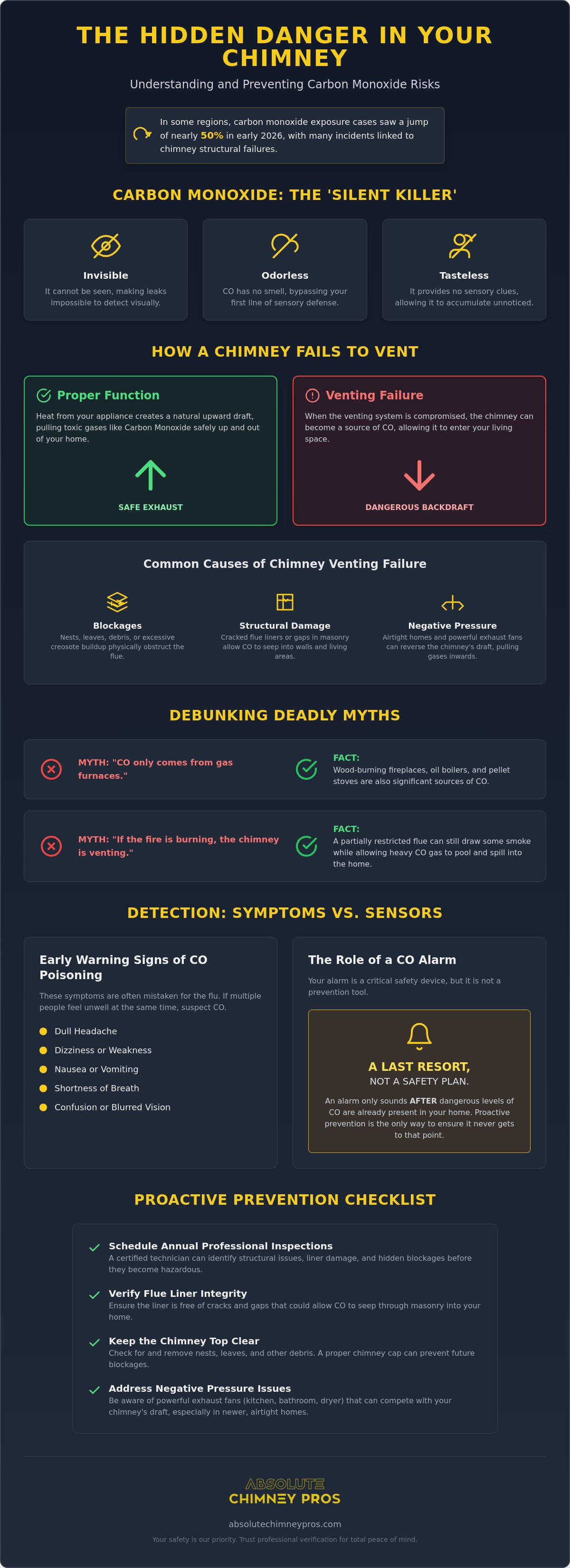
Carbon monoxide (CO) is a toxic, invisible byproduct of incomplete combustion. It has no smell. It has no taste. It has no color. Because it bypasses the human senses, medical professionals and safety experts refer to it as Carbon Monoxide: The 'Silent Killer'. In a properly functioning home, your chimney serves as the primary escape route for this gas. It relies on a delicate balance of pressure and temperature to pull toxins up and away from your family. When this balance shifts, your home's safety disappears.
Myth: Carbon Monoxide Only Comes from Gas Furnaces
Many homeowners believe that if they don't have a gas furnace, they are safe. This is a deadly misunderstanding. Wood-burning fireplaces, oil-fired boilers, and pellet stoves all produce CO. If a wood-burning flue is blocked by creosote or a bird's nest, the gas has nowhere to go but back into your living room. The danger is even higher in older NJ and Philadelphia multi-unit homes. These structures often feature shared flues. While old buildings often carry a sense of mystery and history—an atmosphere celebrated by Sisters Grimm Ghost Tours in San Antonio—the 'unseen' threat of carbon monoxide in these walls is a reality that homeowners must address. A neighbor's appliance failure can actually push carbon monoxide into your apartment through a connected masonry wall. You can't assume you're safe just because your own equipment is off.
How Your Chimney Becomes a CO Source
A chimney should be a vacuum, not a source. It becomes a source the moment you lose draft. This often happens through a process called backdrafting. Modern homes are built to be airtight for energy efficiency. While this saves money on utilities, it creates "negative pressure." Your home competes with the chimney for air. Powerful kitchen exhaust fans or clothes dryers can actually pull air down the chimney flue. This reverses the flow. Instead of venting out, the chimney sucks combustion gases back into the house. Without professional verification, you won't know this is happening until it's too late. Precision maintenance is the only way to ensure your ventilation stays one-way.
Structural Flue Failures: Why Your Chimney Fails to Vent
Your chimney is more than a stack of bricks. It is a precision-engineered ventilation system. The most critical component of this system is the chimney liner. This internal sleeve acts as a heat shield and a gas-tight container. When the liner is intact, it forces toxic gases out of your home. When it fails, the carbon monoxide chimney risk becomes a structural reality. You can't see a liner failure from the living room, but its impact is immediate and dangerous.
New Jersey winters are notoriously harsh on masonry. We often see the effects of "thermal shock" in older local homes. This happens when a freezing chimney is suddenly hit with high-intensity heat from a fireplace or furnace. The rapid temperature change causes masonry and clay liners to expand and contract violently. This leads to cracks, spalling, and shifted joints. Over time, these structural weaknesses turn your chimney into a sieve rather than a straw.
Physical blockages are another common failure point. These are often external factors that homeowners overlook. Common obstructions include:
- Bird and squirrel nests built during the spring and summer
- Twigs and leaves from overhanging trees
- Collapsed masonry or loose bricks from the chimney interior
- Excessive creosote buildup that constricts the flue opening
Myth: If the Fire is Burning, the Chimney is Venting
Visible flames do not guarantee safety. While heat naturally rises, carbon monoxide is a heavy gas. If the flue is even partially restricted, CO can "pool" at the base of the chimney. You might see a little smoke escaping the hearth, but that is only the tip of the iceberg. Invisible backdrafting occurs when the heat exits through a small gap while the heavier CO stays behind. This gas eventually spills into your living space without any visual warning. Don't trust the look of the flames; trust the integrity of the vent.
The Danger of Cracked Liners and Masonry Gaps
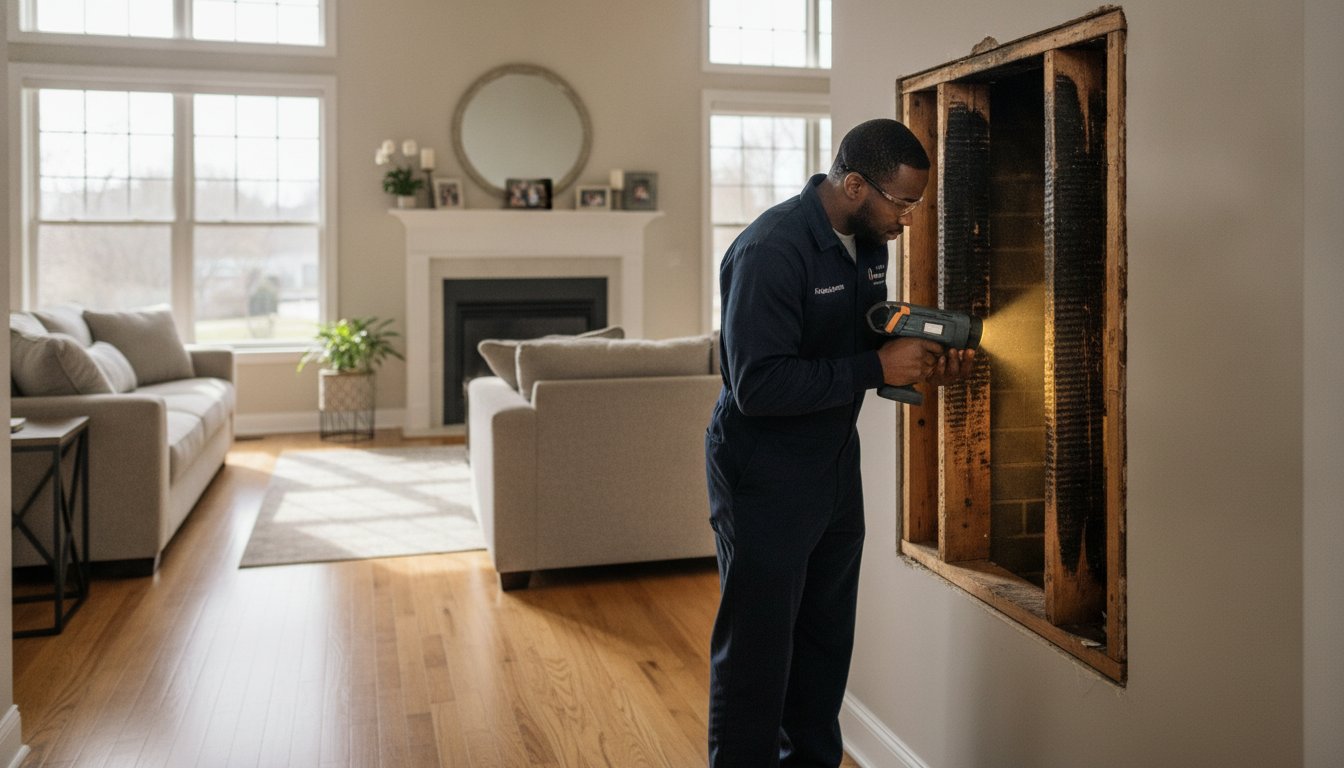
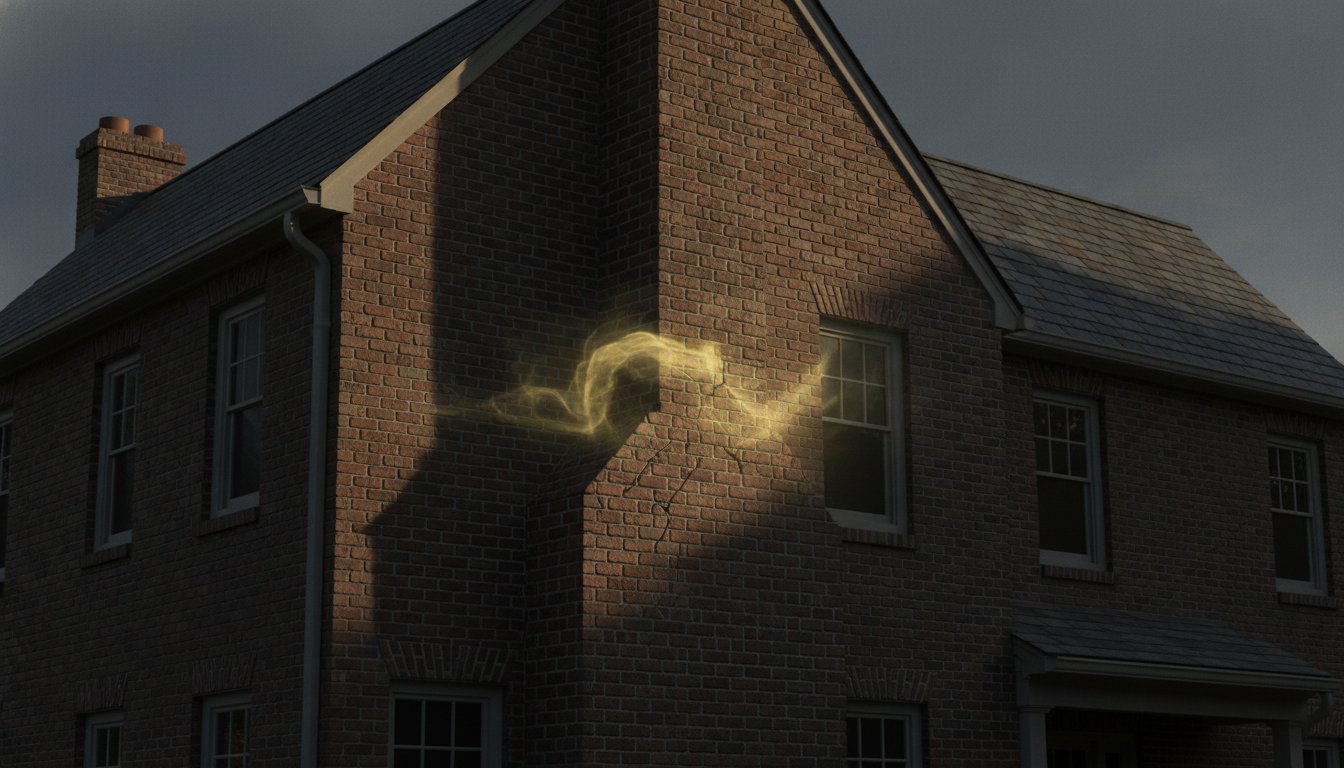
Most older homes in our region utilize clay tile liners. These tiles are durable but brittle. Over decades, moisture and heat cycles cause them to crack and flake. Once a liner is compromised, CO no longer stays inside the flue. It migrates through the porous brickwork. It seeps into wall cavities, floor joists, and eventually, bedrooms. This migration happens slowly and silently.
Standard visual checks can't find these hidden fractures. This is why a level 2 chimney inspection is mandatory for true safety. Our technicians use internal video scanning to identify every gap and crack. If we find damage, a professional chimney repair is the only way to restore your home's safety. Precision matters when your family's health is on the line.
Detecting the Invisible: Symptoms vs. Sensor Technology
Your body often notices a problem before your equipment does. Carbon monoxide poisoning is difficult to identify because its effects are cumulative and subtle. You might feel a dull headache that won't go away. You might experience sudden dizziness or nausea while sitting near the hearth. Confusion and breathlessness are also common indicators. Because these symptoms mirror the common flu, many New Jersey homeowners ignore them during the winter months. They assume they are just "under the weather" while their carbon monoxide chimney risk continues to climb.
The danger is real. If you feel better when you leave the house and worse when you return, your chimney is likely failing. Do not wait for a diagnosis. If multiple family members or pets show these signs simultaneously, evacuate immediately. High-level exposure can lead to loss of consciousness in minutes. Understanding the physical warning signs is your first line of defense against a venting failure.
Myth: You Can Smell or See a Carbon Monoxide Leak
Many people believe they will smell "gas" or see "smoke" if their chimney is leaking. This is false. Wood smoke contains large particulates that you can see and smell. Carbon monoxide is a molecularly distinct hazard that bypasses human senses. By the time you smell a fireplace issue or see haze in the room, CO levels may already be lethal. You cannot rely on your nose to protect your family from a structural ventilation failure.
The Critical Difference Between Smoke and CO
Smoke and carbon monoxide are not the same thing. Smoke is a visible suspension of carbon particles. CO is a pure, invisible gas. This is why a "clean-burning" gas fireplace is often the highest risk. These units produce very little visible smoke, giving homeowners a false sense of security. If the burner is out of adjustment, it can produce massive amounts of CO without any odor or haze. Watch for "sooting" or dark staining on your fireplace surround. This is a primary warning sign that your appliance is not venting correctly and is dumping toxins into your home.
A standard smoke detector will not alert you to this gas. You must have dedicated CO alarms. As of 2026, safety regulations require these alarms on every story of your home and near all sleeping areas. For older masonry homes in NJ, we recommend placing sensors near the chimney breast on each floor. If your alarm sounds, it is a signal of a life-threatening emergency. Once you are safe, a professional chimney inspection is the only way to find and fix the structural trigger. We provide the technical mastery needed to ensure your sensors stay silent and your family stays safe.
Prevention Strategy: Beyond the Battery-Powered Alarm
A battery-powered alarm is a reactive tool. It screams when the poison is already in your air. It does nothing to stop the source. True safety requires a proactive prevention strategy that addresses the structural carbon monoxide chimney risk at its origin. You cannot rely on a basic sensor to compensate for a blocked or failing flue. Professional oversight is the only way to ensure the gas never enters your home in the first place. For NJ residents, a CSIA-certified inspection is the gold standard of safety. It ensures your technician has the technical mastery to spot microscopic liner gaps that a standard visual check would miss.
Creosote removal is equally vital for gas-flow safety. While most people associate creosote with chimney fires, thick glaze also constricts the flue. This restriction slows down the exit of combustion gases. It forces CO to linger in the chimney and eventually spill back into your living space. Regular maintenance removes these physical bottlenecks. If you want to secure your household, follow our comprehensive annual chimney inspection NJ guide to build a reliable safety plan.
Myth: A New Chimney Doesn't Need a Safety Inspection
New construction is not immune to failure. We often find "construction debris" like mortar chunks or wood scraps inside brand-new flues. These create immediate blockages. Additionally, the soil settling common in new NJ developments can cause hairline fractures in liners within the first year. If you recently upgraded your furnace, your venting requirements changed. High-efficiency units produce cooler exhaust that may not draft properly in an old, oversized chimney. Professional verification ensures your new system actually works as intended. Never assume a new build is a safe build without a certified report.
The Annual Maintenance Framework for Homeowners
We recommend a rigorous "Top-Down" inspection approach. This starts at the chimney cap and ends at the appliance connection. A certified chimney sweep NJ service does more than remove soot. It clears physical obstructions and bird nests that trap gases. While maintaining the structure, remember the 10-year rule for your hardware. CO sensors lose sensitivity over time. If your unit is over a decade old, replace it immediately. Newer 2026 models feature 10-year sealed batteries to eliminate the risk of dead power sources. Don't leave your safety to chance. Schedule a professional chimney inspection today to secure your home before the winter peak.
Securing Your Home: Professional Chimney Safety Solutions
Absolute Chimney Pros acts as your vigilant protector across New Jersey and Philadelphia. We don't just "clean" chimneys; we verify their structural safety. Our approach is built on technical mastery and ethical transparency. We maintain a strict "no hidden fees" policy because safety should never be a guessing game for your budget. Every technician on our team holds CSIA certification. This isn't just a badge. It's a commitment to the precision required to mitigate any carbon monoxide chimney risk. We take responsibility for your environment so you don't have to.
Myth: DIY Chimney Cleaning Prevents CO Risks
DIY cleaning is a dangerous shortcut. A store-bought brush might remove loose soot, but it cannot identify a hairline fracture in a clay liner or a shifted masonry joint. In fact, DIY attempts often make the situation worse. Homeowners frequently "push" a blockage deeper into the flue. This compacts debris and effectively seals toxic gases inside the home. Only a certified professional can verify draft integrity using calibrated tools and years of field experience. If you can't prove your chimney is venting, you can't prove your home is safe. Don't gamble with household safety to save a few dollars on a brush.
How Absolute Chimney Pros Eliminates Ventilation Hazards
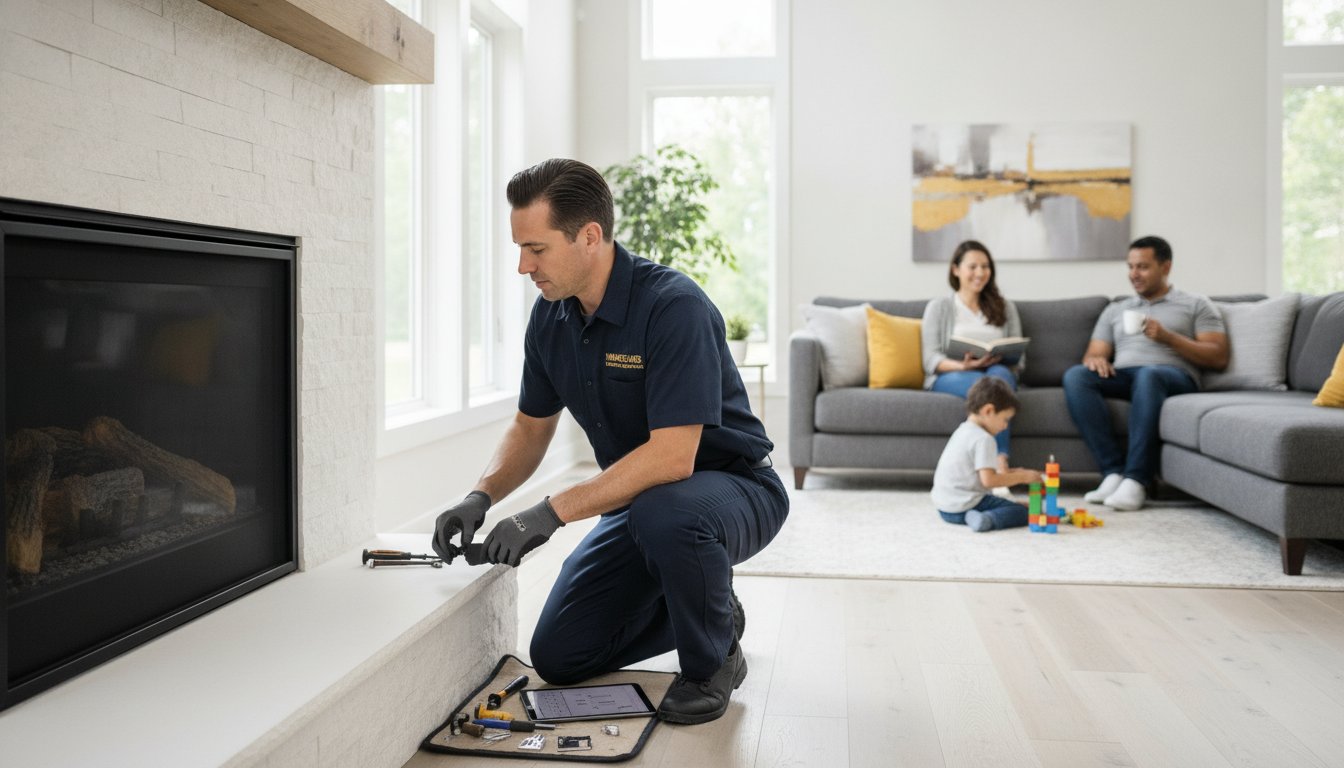
We eliminate ventilation hazards through advanced technology. Our team utilizes high-resolution internal cameras to perform a microscopic analysis of your flue. These cameras find liner breaches that are invisible to the naked eye, even from the roof. This level of exactness is the only way to detect where CO might be seeping into your wall cavities. We provide a clear, documented report of our findings. There is no guesswork involved in our process. For urgent safety concerns, we offer same-week appointments across NJ to ensure you aren't left at risk. Before you light your next fire, ask yourself: Is my chimney safe to use?
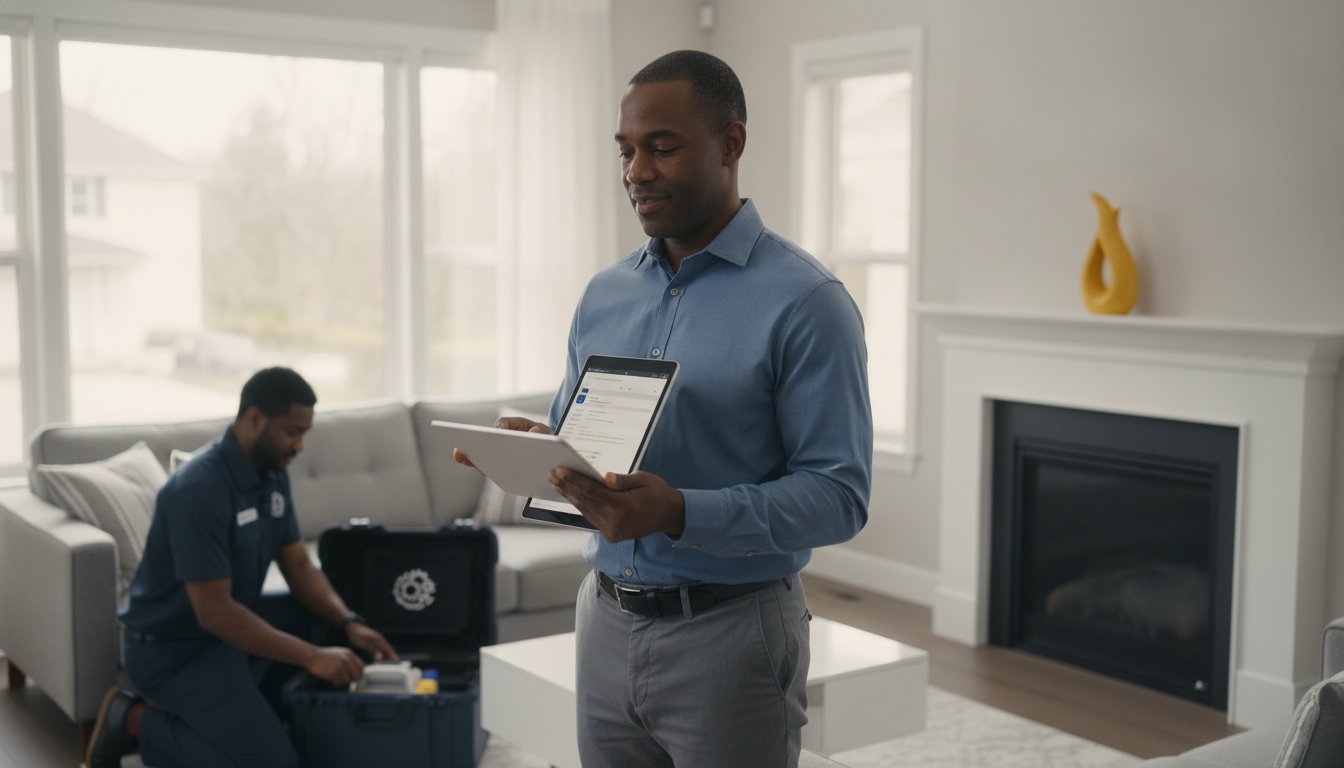
Protecting your family from the "silent killer" requires more than hope. It requires professional verification. Our flat-fee safety review provides a definitive assessment of your chimney's health. We show up on time. We assess the situation with precision. We execute the task without fluff or filler. This methodical approach reflects our commitment to your safety. Secure your environment today. Contact us to schedule your comprehensive chimney inspection and gain the peace of mind that comes from expert oversight.
Secure Your Home and Protect Your Family for 2026
A safe home starts with a verified chimney. You've learned that battery-powered alarms are only a final warning. They don't prevent the structural failures that lead to a carbon monoxide chimney risk. True protection comes from identifying liner breaches and masonry gaps before they become emergencies. You deserve a ventilation system that operates with technical precision. Don't let a "clean-burning" appliance or a new build give you a false sense of security. Every venting system requires professional oversight to ensure toxic gases stay out of your living space.
Our team acts as your vigilant protector across NJ and Philadelphia. We utilize CSIA-certified technicians and advanced camera technology to find what the naked eye misses. With our flat-fee safety inspections, you get honest results without hidden costs. We've been serving this region with disciplined expertise and ethical transparency. Take responsibility for your environment today. Schedule Your Professional Chimney Safety Inspection Today and breathe easier knowing your home is secure. Your safety is our primary mission and our highest priority.
Frequently Asked Questions
Can a dirty chimney cause carbon monoxide in my house?
Yes, a dirty chimney is a primary cause of CO backup. Creosote and soot buildup constrict the flue, which slows the exit of combustion gases. This restriction forces heavy carbon monoxide to linger and eventually spill back into your living space. Regular cleaning ensures the path remains clear for toxic byproducts to escape safely. It is a simple maintenance step with life-saving consequences.
Where should I place carbon monoxide detectors for fireplace safety?
Place detectors on every level of your home and near all sleeping areas. For fireplace safety, install a sensor in the same room as the hearth, but at least 15 feet away to avoid false alarms. Ensure sensors are also located near any appliances that share a chimney flue. This strategic placement provides the earliest possible warning for a carbon monoxide chimney risk.
What are the first signs of carbon monoxide poisoning from a chimney?
The first signs include a dull headache, dizziness, nausea, and sudden confusion. You might also experience blurred vision or a general feeling of weakness while the fireplace is active. These symptoms often disappear when you step outside for fresh air. If multiple people in the house feel sick at once, evacuate immediately. Do not wait for the symptoms to worsen.
How does a chimney liner prevent carbon monoxide leaks?
A chimney liner acts as a gas-tight sleeve that contains all combustion byproducts. It prevents toxic gases from seeping through porous bricks or mortar joints into your home's wall cavities. An intact liner ensures that every molecule of CO is directed upward and out of the structure. Without a functional liner, your masonry chimney is a structural liability that can leak poison into bedrooms.
Does a gas fireplace need a chimney inspection for CO?
Yes, gas fireplaces require annual inspections to ensure the burner and venting system are functioning correctly. While they don't produce visible soot like wood fires, gas units can generate high levels of CO if they are out of adjustment. A professional technician verifies that the draft is strong and the flue is clear of obstructions. Technical precision is required for gas-venting safety.
Can a bird's nest in my chimney cause a CO leak?
Yes, a bird's nest is a physical blockage that can completely halt the ventilation process. When the flue is blocked, combustion gases have no escape route and are forced directly into your home. We often find these nests during fall inspections after a summer of inactivity. A stainless steel chimney cap is the only definitive way to prevent this specific carbon monoxide chimney risk.
Will a smoke detector go off if there is carbon monoxide?
No, a standard smoke detector will not alert you to carbon monoxide. Smoke detectors look for visible particulates, while CO is an invisible gas that requires a dedicated electrochemical sensor. You must install separate CO alarms or combination units to protect your family from this specific threat. Relying on a smoke detector for CO safety is a deadly mistake that ignores the physics of the gas.
How often should I have my chimney inspected for CO risks in NJ?
You should schedule a professional chimney inspection at least once per year. In New Jersey, the heavy use of heating systems during winter makes annual verification essential for structural safety. This recurring maintenance identifies damage from freeze-thaw cycles and ensures your venting system remains gas-tight. Consistency in professional oversight is the only way to maintain total peace of mind.