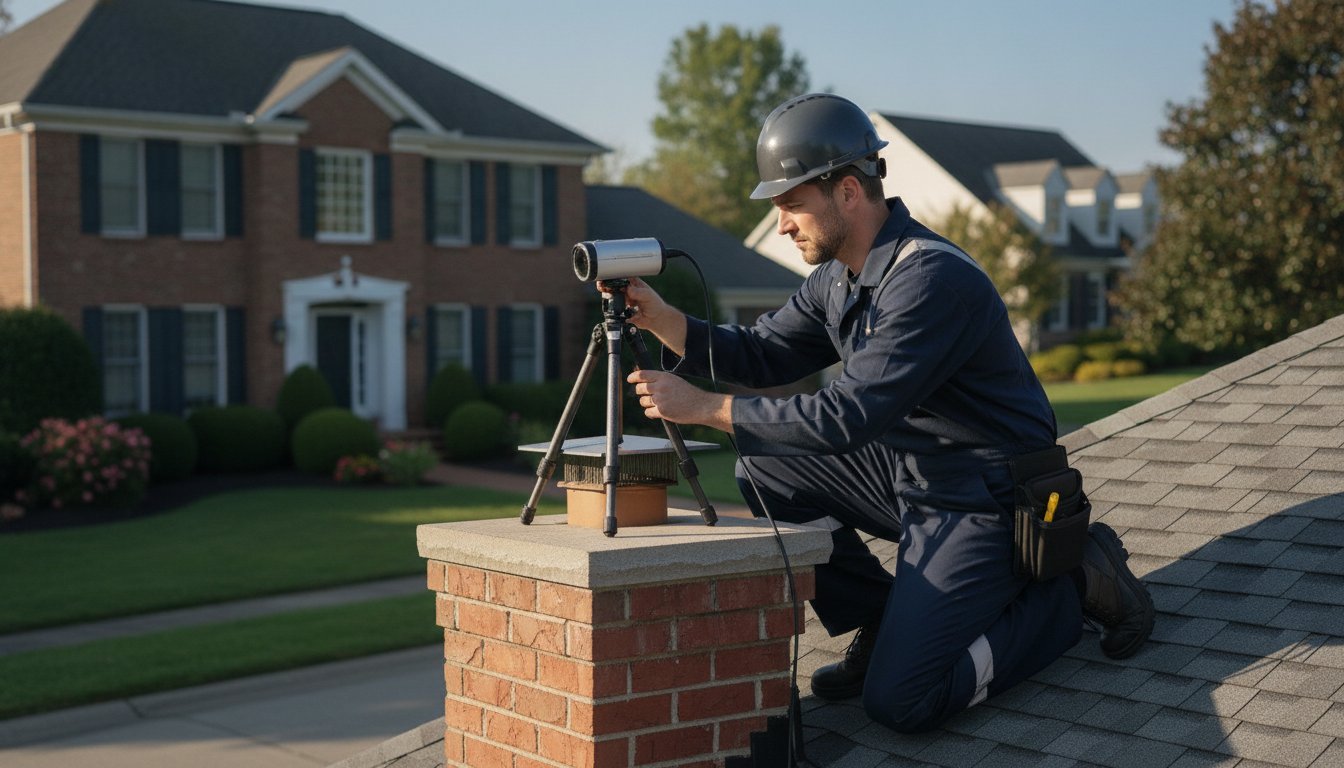
What if the only thing standing between you and a successful home sale is a hairline crack you can't even see? It's a common nightmare for sellers and buyers alike. You know your chimney needs attention. However, the difference between a basic check and a technical audit is often unclear. A level 2 chimney inspection is no longer just a recommendation. It's a forensic safety necessity. Under the NFPA 211 standards updated in May 2026, this detailed evaluation is the industry benchmark for property transfers and fuel changes. Precise. Mandatory. Vital.
We understand the anxiety of potential deal-breakers hiding behind your masonry. You want a home that's fire-safe and a transaction that stays on track. This guide simplifies the technical requirements and mandatory triggers you need to know. We'll explain what the high-definition video scan reveals and how it differs from a standard sweep. Secure your certified report. Protect your investment. Let's ensure your chimney is a source of warmth, not a hidden liability.
Key Takeaways
- Understand why a level 2 chimney inspection is the mandatory benchmark for all real estate transfers and system modifications under the 2026 NFPA 211 standards.
- Learn how specialized video scanning technology exposes structural hazards that basic visual checks and general home inspections consistently overlook.
- Identify the critical triggers in New Jersey and Pennsylvania that necessitate a forensic audit to keep your property transaction on schedule.
- Distinguish the technical differences between inspection levels to ensure you are meeting the legal safety requirements for your specific fuel type.
- Gain peace of mind with a certified safety report that validates your chimney’s integrity after weather events or appliance upgrades.
What is a Level 2 Chimney Inspection? Beyond the Visual Sweep
A Chimney is more than just a brick stack on your roof. It is a complex venting system that requires precise oversight to function safely. When a standard visual check is no longer sufficient, a level 2 chimney inspection becomes the mandatory diagnostic tool. This isn't a mere "quick look" or a basic sweep. It is a forensic safety audit designed to uncover invisible structural failures. Industry professionals recognize this level as the definitive standard for property transfers, system changes, and post-event assessments. It bridges the gap between basic maintenance and invasive demolition. If you are involved in a real estate transaction, this level of scrutiny is your primary defense against hidden liabilities.
The NFPA 211 Standard Explained
The National Fire Protection Association (NFPA) sets the benchmark for fire safety across the country. Their standard, NFPA 211, dictates the specific requirements for inspecting chimneys, fireplaces, and vents. A level 2 chimney inspection is the middle tier of these diagnostics. It isn't an optional upgrade for those seeking "extra" safety. It's a professional requirement triggered by specific events like home sales or chimney fires. This standard ensures every inspection follows a rigorous, repeatable process. It removes the guesswork from home safety. By adhering to NFPA 211, inspectors provide a transparent report that satisfies both insurance companies and real estate legalities. We follow these rules to ensure your home remains protected.
Accessible Areas: Where the Inspector Goes
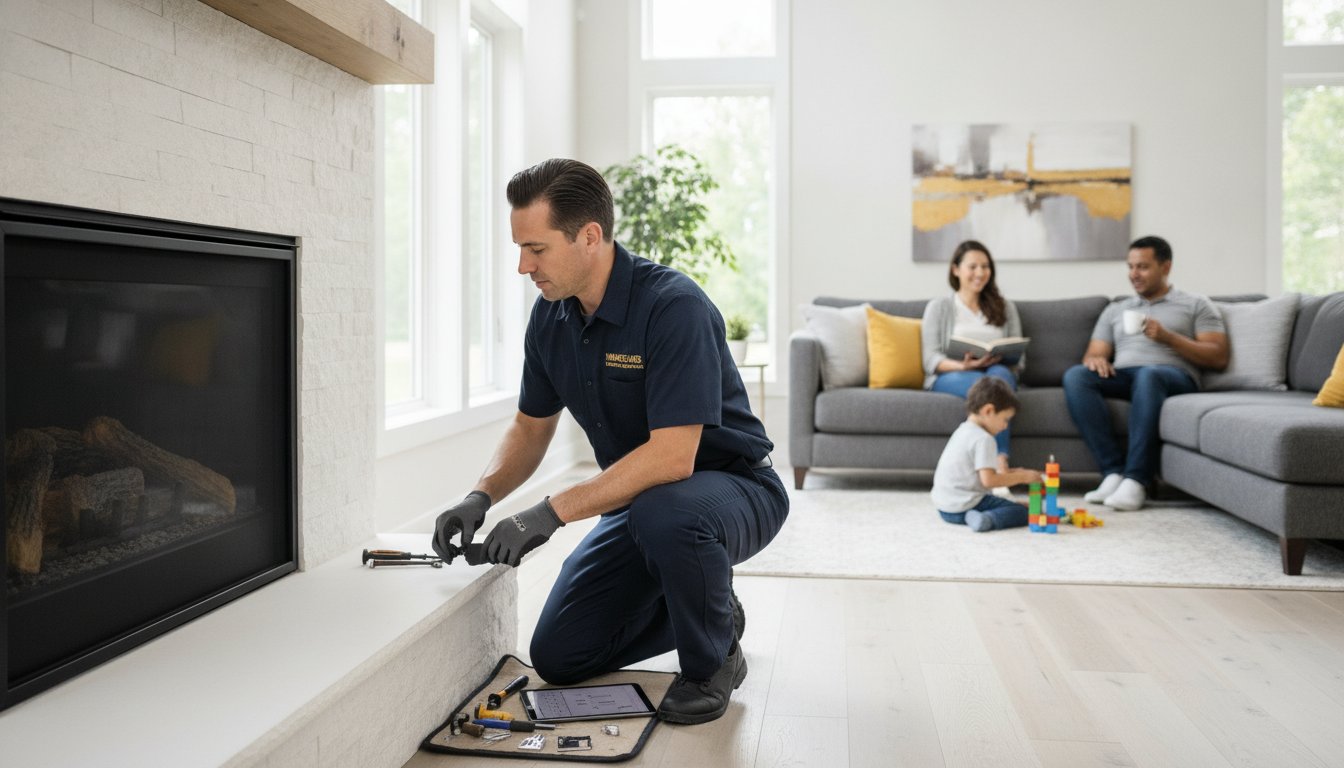
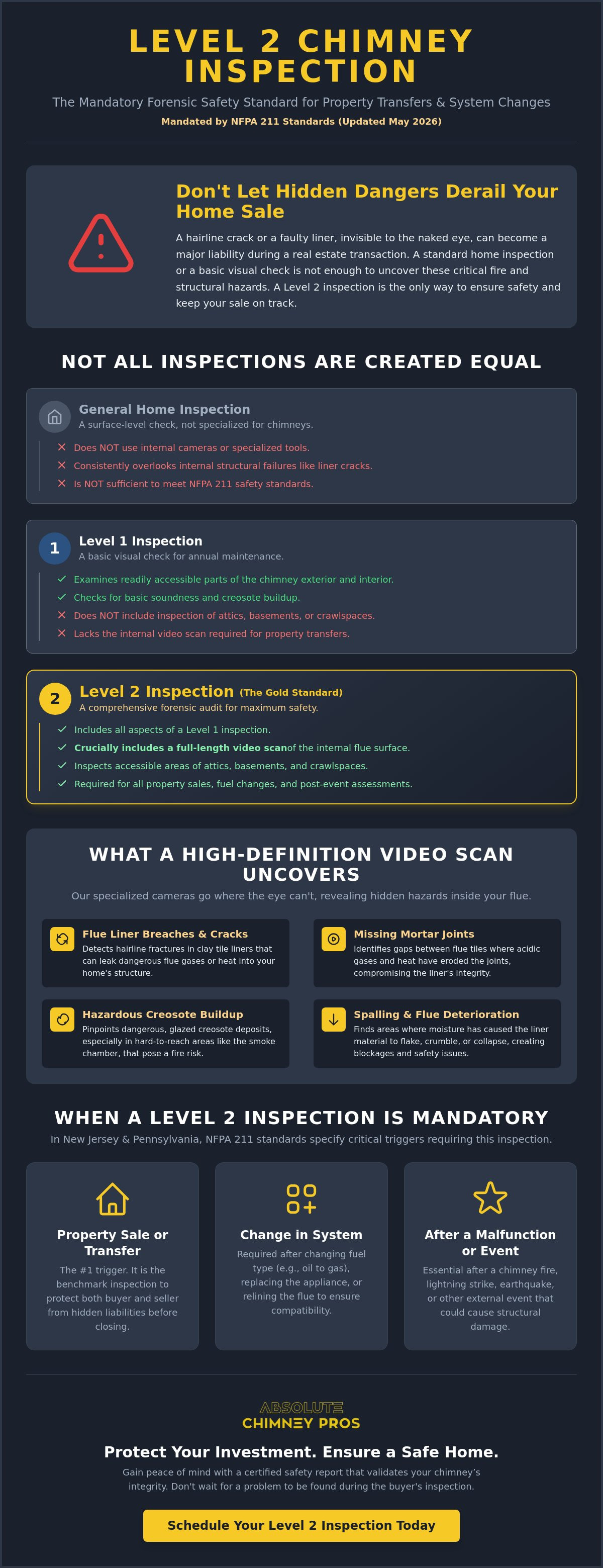
A Level 1 inspection only covers "readily accessible" areas. This means what an inspector can see without tools or climbing into tight spots. In contrast, a Level 2 audit is far more thorough. We examine all accessible portions of the chimney system. This includes the firebox, the smoke chamber, and the exterior roofline. However, the real value lies in the hidden zones. Inspectors enter attics, basements, and crawl spaces to verify clearances to combustible materials. We look for signs of heat transfer or structural settling that stay hidden during a standard walkthrough. These areas are often where the most dangerous defects reside.
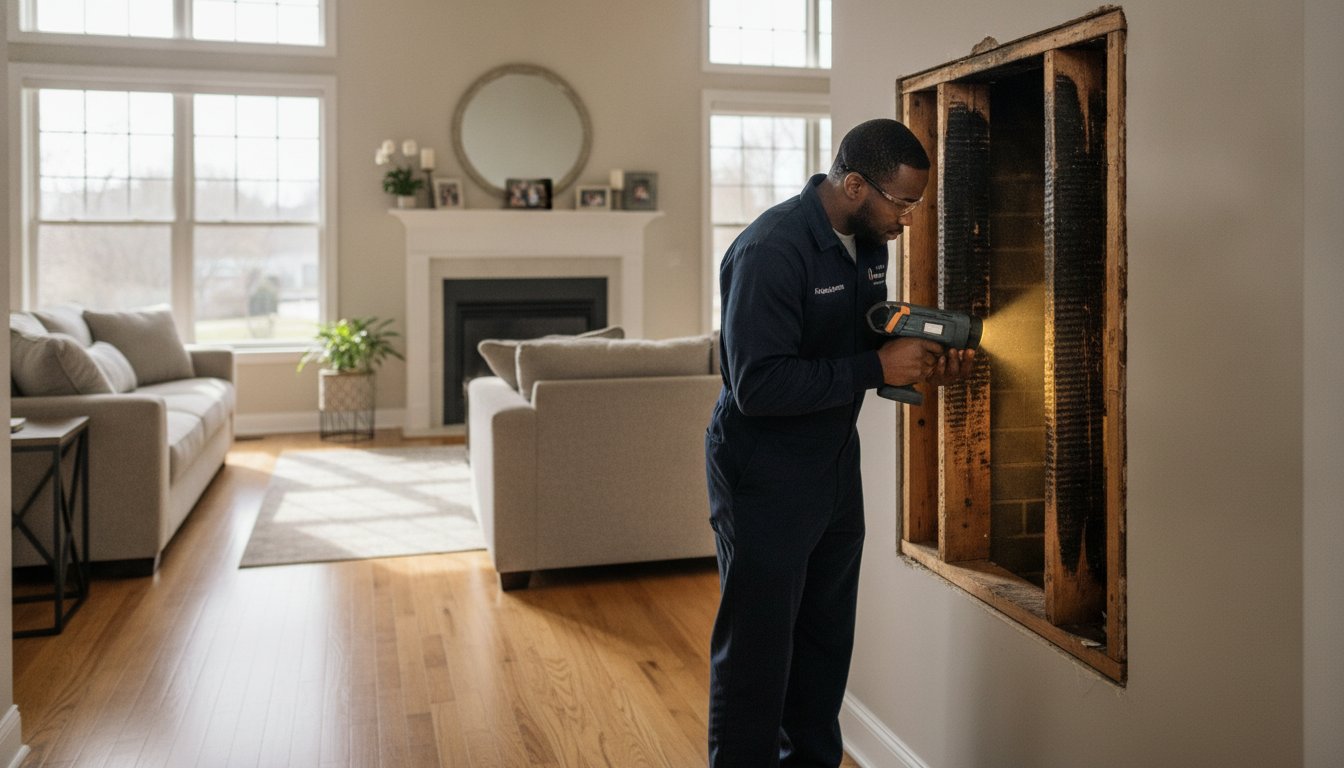
The defining feature of this process is internal video scanning. We use high-resolution cameras to document the entire length of the flue. This technology reveals hairline cracks in clay liners and joint separations that the naked eye cannot detect from the hearth. If you're buying a home or changing your fuel type, this level of detail is non-negotiable. It provides the verification needed to confirm the system is safe for continued use. Precision matters. Your safety depends on it.
The Anatomy of a Video Camera Inspection
Visual checks from the hearth are inherently incomplete. A level 2 chimney inspection utilizes specialized, high-definition camera systems to eliminate the guesswork and provide total transparency. We lower or raise these specialized cameras through the entire length of the flue. Every square inch is documented in real-time. This process records the structural integrity from the bottom to the very top. It provides a level of clarity that standard flashlights and mirrors simply cannot match. For buyers and sellers, this video documentation serves as undeniable proof of safety or a clear roadmap for necessary repairs. It is the gold standard for transparency in modern real estate.
Detecting Flue Liner Breaches
Cameras excel at identifying spalling. This occurs when moisture enters the masonry and freezes, causing the liner to flake or crumble into the chimney. We also look for missing mortar joints between the clay tiles. Over time, heat and acidic gases erode these joints, leaving the home's structure vulnerable. A breach is a pathway for heat or gas to reach your home’s framing. Without a camera, these gaps remain hidden until a fire occurs. Our process ensures these vulnerabilities are caught before they become catastrophes. This rigorous approach is exactly what the NFPA 211 standard demands for system safety.
The Smoke Chamber and Throat Inspection
The smoke chamber is the critical transition point where the firebox narrows into the flue. It is often the most neglected part of the entire system. We use the camera to inspect the parging. This is the smooth layer of mortar designed to reduce turbulence and protect the surrounding masonry from high heat. Rough or damaged parging creates fire hazards and poor drafting. Cameras also find dangerous creosote buildup in the "dead zones" of the throat area where standard brushes struggle to reach. Identifying these risks early prevents expensive future repairs. If you suspect your system is overdue for a check, request a comprehensive inspection to gain full visibility into your chimney's condition.
Video evidence removes the conflict from real estate negotiations. It provides a factual, visual record that insurance adjusters and home inspectors cannot ignore. In 2026, this technology is the only way to truly verify that a chimney is fit for service. We don't just tell you it's safe. We show you. This level of technical mastery ensures your home remains protected and your transactions stay on schedule.
Level 2 vs. Level 1 vs. General Home Inspections
A common misconception during home sales is that a general home inspector handles the chimney. This is a dangerous mistake. General home inspectors are generalists. They provide a surface-level glance at the roofline and the hearth. They don't have the specialized equipment or the technical training to diagnose internal flue failures. A level 2 chimney inspection is the only way to get a definitive answer on structural integrity. While a general inspector might note that the brick looks "fine," they cannot see the hairline cracks or missing mortar joints hidden inside the stack. Relying on a surface-level check leaves you vulnerable to hidden fire hazards and expensive post-closing repairs.
The depth of these inspections varies significantly. A Level 1 inspection is a basic visual check of readily accessible areas. It is suitable for annual maintenance if nothing has changed in your system. However, a Level 2 audit is a transactional safety requirement. It is the only report accepted by most real estate attorneys in New Jersey and Pennsylvania. This level of scrutiny involves a video scan of the entire flue, which is a step general home inspectors never take. If you are buying or selling a property, a visual-only check is insufficient. You need the forensic proof that only a specialized technician provides.
Why General Home Inspectors Fall Short
Most general home inspection companies lack CSIA certification. They aren't trained to spot subtle masonry shifts or liner breaches that indicate a failing system. Their scope is limited to what is visible from the floor or the roof. This creates a massive liability risk for both buyers and sellers. If a generalist clears a chimney that later causes a fire, the homeowner often has no legal recourse. Professional chimney technicians use diagnostic tools that generalists don't even carry. We identify the "invisible" threats that generalists consistently overlook.
When to Choose Level 2 Over Level 1
Level 1 is for business as usual. It's a routine check for a system that has performed well all year. Level 2 is for change or concern. You must choose this level if you've experienced a system malfunction, a chimney fire, or extreme weather events. It is also mandatory when changing fuel types, such as converting from wood to gas. If you're noticing performance issues, read our guide on is my chimney safe to use to identify specific warning signs. Level 2 provides the deep-dive verification that your home is safe for continued use or ready for the market. Don't settle for a glance when your safety requires an investigation.
Mandatory Triggers: When a Level 2 Inspection is Required in NJ & PA
A level 2 chimney inspection isn't a matter of personal preference. It is a requirement triggered by specific events. In the high-stakes real estate markets of New Jersey and Philadelphia, this inspection is the baseline for property transfers. The standard isn't a suggestion. It is a safety mandate designed to protect homeowners from invisible structural threats. If you're selling a home, you must provide transparency. If you're buying, you need verification. Beyond real estate, any change to your heating system—or the installation of professional culinary appliances from Southern Select Equipment—makes this technical audit mandatory. We don't guess about safety. We verify it through the rigorous standards set by the NFPA.
Real Estate Transfers in New Jersey and Philadelphia
Savvy buyers in our region don't gamble on masonry. They insist on a level 2 chimney inspection before the closing date. They know that a general home inspector's visual check is insufficient for identifying internal liner breaches. If you are navigating a purchase, our chimney inspection before buying a house in NJ guide provides the essential roadmap for local buyers. Furthermore, many insurance carriers in Pennsylvania and New Jersey now refuse to issue new policies without a certified Level 2 report. They want proof that the venting system is fire-safe before they take on the risk. Don't let a chimney defect stall your transaction at the eleventh hour.
Changing Your Heating System
Switching your fuel source necessitates a full flue check. This is known as a "Change of Service" under the NFPA 211 guidelines. For example, converting a traditional wood-burning fireplace to a gas insert changes the chemistry of the exhaust. Gas appliances produce acidic condensation that can quickly erode an old, unrated clay liner. You must verify that your existing chimney can handle the new appliance's specific venting requirements. If you are planning an upgrade, review our gas fireplace service NJ checklist to ensure your conversion is handled correctly. We match the liner to the appliance to prevent carbon monoxide leaks and structural decay.
Post-incident inspections are the final mandatory trigger. If your home has survived a chimney fire, a lightning strike, or a seismic event, you cannot resume use without a forensic audit. Even if the exterior brickwork looks perfect, the internal flue tiles may be shattered. A "Change of Service" also applies when you replace a liner or install a new wood stove. You must ensure the entire system is compatible and intact. If you've experienced a weather event or are preparing for a home sale, book your certified inspection now to secure your property's safety and value.
The Absolute Chimney Pros Process: Certified Reports and Next Steps
Absolute Chimney Pros operates on a foundation of technical mastery and ethical transparency. Our process is designed for homeowners and realtors who require definitive answers without the guesswork. Every level 2 chimney inspection we perform is conducted by CSIA-certified technicians. These professionals possess the disciplined expertise needed to identify subtle structural failures that others miss. We utilize a flat-fee inspection model to ensure total clarity. You know the cost upfront. There are no surprise surcharges for basic equipment use or attic access. We show up on time, execute the task with precision, and provide a clear path forward.
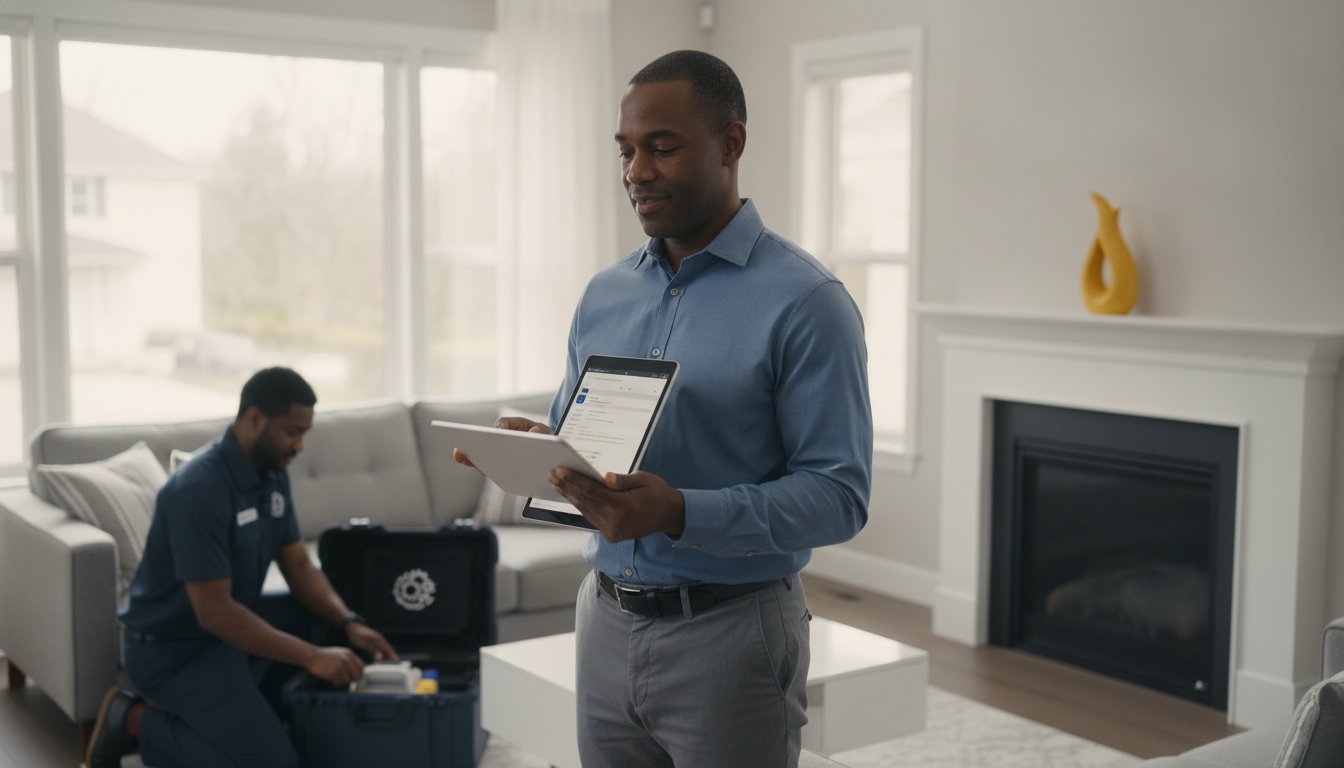
Our operational style mirrors our commitment to safety. We arrive with high-definition diagnostic tools and a methodical checklist. We don't just "check" your chimney; we audit it. This disciplined approach ensures that every accessible zone is verified against current safety codes. Once the on-site evaluation is complete, we provide an immediate verbal summary. This is followed by a comprehensive digital report that serves as your permanent safety record. Whether you are preparing for a closing or verifying a system after a storm, our process delivers the evidence you need.
What’s Included in Your Professional Report
The documentation we provide is a forensic safety file. It includes high-resolution photo and video evidence of the flue interior, the smoke chamber, and the exterior masonry. We provide a detailed structural assessment that highlights any areas of concern. For real estate transactions, the report includes a clear "Pass/Fail" status based on NFPA 211 criteria. This removes the ambiguity from negotiations. Attorneys and insurance adjusters rely on these reports because they are rooted in documented facts, not opinions. Keep this report in your permanent home maintenance files. It is vital documentation for future warranty claims or property disclosures.
From Inspection to Resolution
An inspection is only the first step toward a safe home. If our technicians identify hazards, we provide immediate, transparent solutions. If the flue is blocked by dangerous soot, we can transition into a chimney sweep NJ to restore proper drafting. For structural breaches or outdated systems, we specialize in chimney liner installation NJ. We maintain a strict "no hidden fees" policy for all subsequent repair work. You receive a detailed estimate based on the inspection findings. No fluff. No filler. Just professional resolution. Schedule your certified Level 2 chimney inspection with Absolute Chimney Pros today.
Secure Your Property and Peace of Mind
A safe chimney is the backbone of a secure home. You now understand that a level 2 chimney inspection is more than a formality. It is a forensic safety audit. It protects your family from fire hazards and ensures your real estate transactions close without delay. High-definition video documentation provides the undeniable proof you need. Don't rely on surface-level checks that ignore internal breaches. Precision matters. Your safety is non-negotiable. We are here to provide the clarity you deserve.
Absolute Chimney Pros is your protective partner in New Jersey and Pennsylvania. Our CSIA-certified technicians provide the technical mastery required for modern safety standards. We offer same-week appointments to keep your home sale or renovation on track. Every audit includes comprehensive video documentation for your permanent records. We eliminate the guesswork. We provide the resolution. Book Your Certified Level 2 Inspection Today to verify your system's integrity. Take control of your home's safety with experts who value your time and ethical transparency. We look forward to securing your hearth and providing the peace of mind you need for years to come.
Just as you take steps to ensure your property is safe for the future, you may also find it helpful to check out Cremation Society of South Carolina - Westville Funerals for compassionate assistance with other essential family planning needs.
Frequently Asked Questions
Is a Level 2 chimney inspection required by law in NJ?
No New Jersey state law specifically mandates this inspection for property transfers. However, the NFPA 211 standard, which became effective May 6, 2026, makes it the industry requirement for all home sales. Most real estate attorneys and insurance carriers now insist on this report before closing. It is a safety necessity rather than a legal option. We provide the documentation required to satisfy these professional standards.
What is the difference between a Level 1 and a Level 2 chimney inspection?
A Level 1 inspection is a basic visual check of readily accessible areas like the hearth and exterior stack. A level 2 chimney inspection is a forensic audit that includes a high-definition video scan of the entire flue interior. It also covers accessible areas in attics and crawl spaces. Level 1 is for routine annual maintenance. Level 2 is for transactions, system changes, and post-incident safety verification.
How much time does a Level 2 chimney inspection take?
A professional Level 2 audit typically takes between 45 and 90 minutes. This duration depends on the number of flues and the complexity of the chimney system. Our technicians work methodically to ensure every square inch is documented. We prioritize thoroughness over speed to guarantee your safety. You will receive a verbal summary immediately followed by a comprehensive digital report.
Can a general home inspector perform a Level 2 chimney inspection?
No. General home inspectors are generalists who lack the specialized video equipment and technical training required for a Level 2 check. They only perform visual-only inspections from the floor or roof. You must hire a CSIA-certified professional to meet the NFPA 211 standards and receive a valid safety report. Relying on a non-specialist creates a significant liability risk for buyers and sellers alike.
Does a Level 2 inspection include a chimney sweep or cleaning?
An inspection is a diagnostic service, not a cleaning. While a chimney sweep is often recommended if heavy creosote is found, it is a separate task. We must have a clear view of the liner to identify hairline cracks or joint separations. If buildup blocks the camera, we will suggest a cleaning before completing the audit. This ensures the forensic report is accurate and complete.
What happens if my chimney fails a Level 2 inspection during a home sale?
A failed report becomes a critical negotiation point in the real estate transaction. The seller must either repair the defects or provide a credit to the buyer to cover the costs. In New Jersey and Pennsylvania, sellers are required to disclose known chimney issues. Resolving these hazards early prevents the deal from falling through. We provide clear repair estimates to help you move forward.
Will the inspector need to go into my attic or basement for a Level 2 check?
Yes. A Level 2 check requires the inspector to examine all accessible portions of the chimney structure. This includes entering attics, basements, and crawl spaces to verify proper clearances to combustible materials. We look for hidden signs of heat transfer or masonry decay that stay invisible from the living room. This thoroughness is what distinguishes a professional audit from a basic visual check.
How often should I get a Level 2 inspection if I am not selling my home?
You should get a Level 2 audit whenever you change your heating appliance or fuel type. It is also necessary after a chimney fire, a lightning strike, or an earthquake. For routine use, the NFPA requires a standard inspection at least once a year. If you haven't had your flue scanned in several years, a level 2 chimney inspection provides the deep-dive verification needed for total peace of mind.